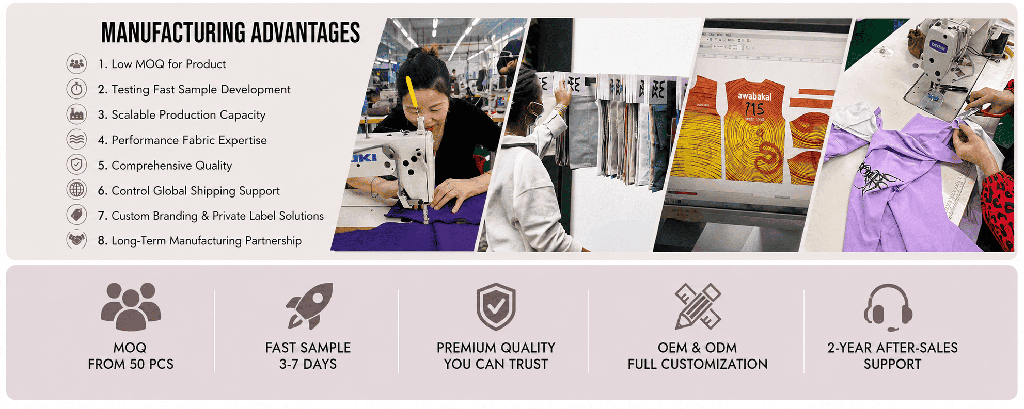
OEM/ODM Sportswear Manufacturer | 3-Day Sampling | Low MOQ | 50K Monthly Capacity | ISO9001 & BSCI Certified

Activewear Manufacturers: Top Trends for 2026, China Factory Rankings & Global Sourcing Guide
Discover the top activewear trends for 2026, explore the best activewear manufacturers in China, compare leading suppliers, understand emerging fabrics, consumer demand, product opportunities, and sourcing strategies to make smarter purchasing decisions for your sportswear brand.
Activewear Manufacturers Guide: Top Activewear Trends for 2026, China Rankings & Global Sourcing Insights
The activewear industry is entering one of its most transformative periods in decades. Consumer expectations are evolving beyond basic comfort and athletic performance, while technology, sustainability, and lifestyle changes continue to redefine how sportswear is designed, manufactured, and sold. Products that once targeted gym enthusiasts are now becoming everyday essentials, creating new opportunities for established brands, startups, retailers, and private label businesses working with an experienced Activewear Manufacturer.
At the same time, Activewear Manufacturers are adapting to these shifts by investing in advanced performance fabrics, faster product development, digital design tools, and more flexible production models. Buyers are no longer searching only for the lowest manufacturing cost. Instead, they are looking for an Activewear Manufacturer capable of supporting long-term product innovation, consistent quality, rapid market response, and scalable growth.
Featured Snippet
The top activewear trends for 2026 extend far beyond seasonal colors or fashion aesthetics. They reflect fundamental shifts in consumer lifestyles, performance expectations, sustainability priorities, and global sourcing strategies. Successful brands are investing in versatile product categories, innovative functional fabrics, and partnering with an experienced Activewear Manufacturer that offers strong product development capabilities. This guide explores the industry’s fastest-growing trends, compares leading Chinese manufacturers, and provides practical insights to help sportswear brands make informed sourcing and product planning decisions for 2026 and beyond.
Whether you are launching your first collection, expanding into new product categories, or evaluating an Activewear Manufacturer in China, understanding these industry changes can significantly improve both product planning and sourcing decisions. This report combines market analysis, supplier comparisons, product trend forecasting, and buyer-focused recommendations to provide a comprehensive overview of where the global activewear market is heading—and how brands can position themselves for long-term success.

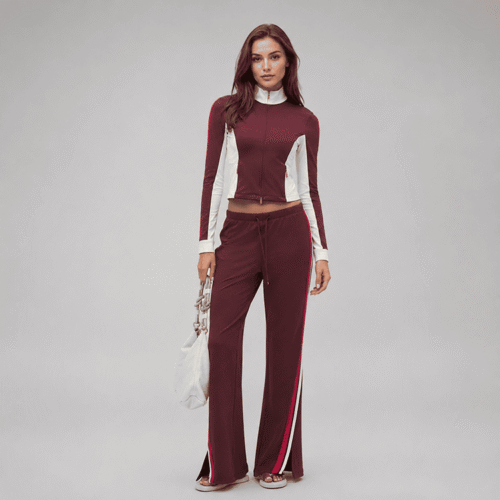
OEM Women’s Activewear Set Custom Zip-Up Jacket & Wide Leg Workout Pants
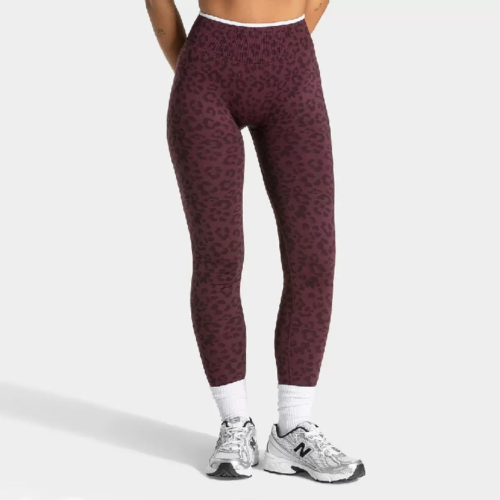
Custom Yoga Leggings – High Waist Seamless Workout Pants OEM/ODM
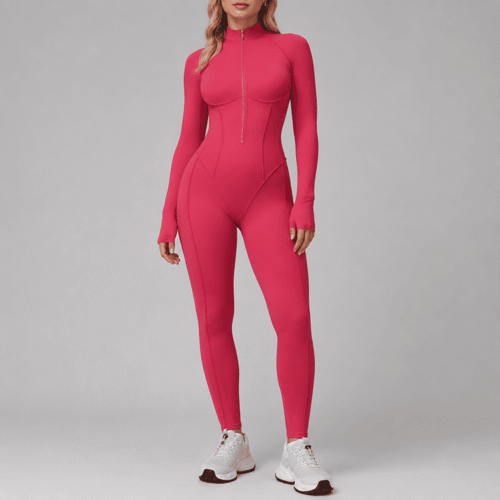
Custom Women’s Zip Front Long Sleeve Yoga Jumpsuit OEM ODM Sculpting Activewear
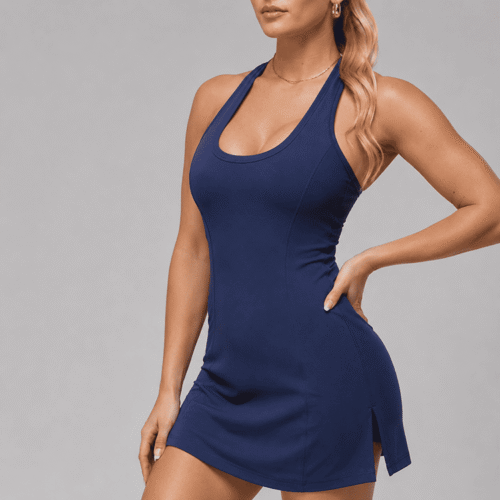
Custom Women’s Tennis Activewear Dress OEM ODM Fitness Sports Dress
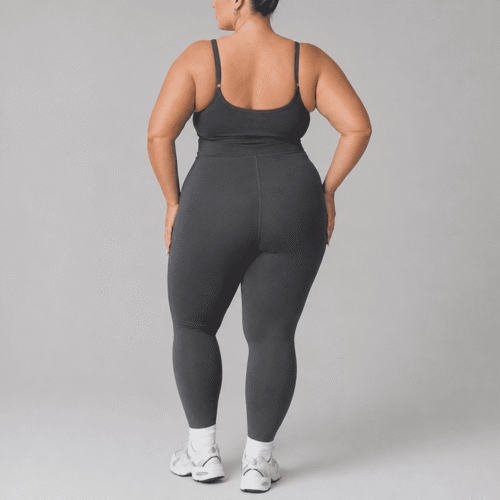
Custom Women’s Spaghetti Strap Yoga Jumpsuit OEM ODM Sculpting Activewear
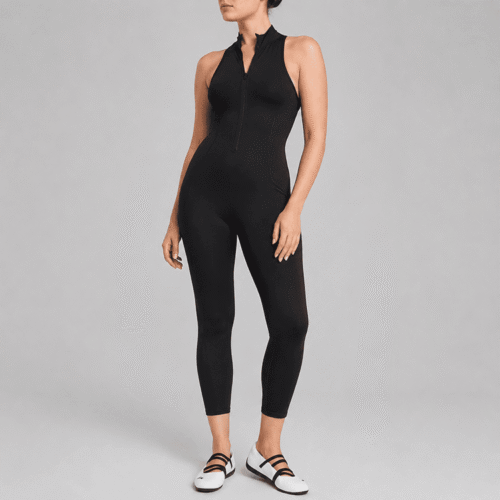
Custom Women’s Sleeveless Zip Front Yoga Jumpsuit OEM ODM Sculpting Activewear
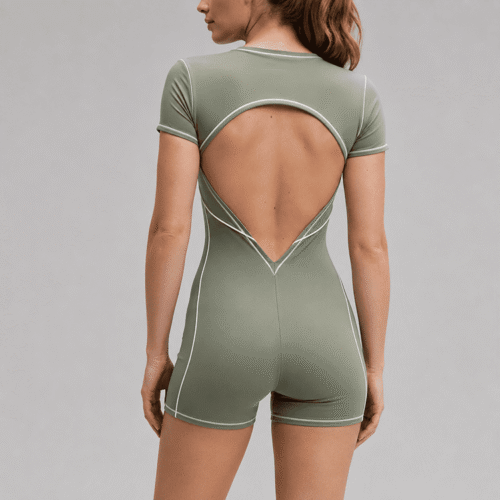
Custom Women’s Open Back Yoga Jumpsuit OEM ODM Activewear Romper
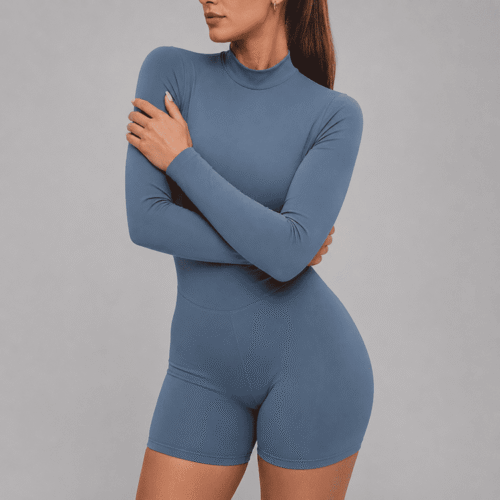
Custom Women’s Long Sleeve Yoga Jumpsuit OEM ODM Mock Neck Activewear Romper
What Are the Biggest Activewear Trends Shaping the Global Market in 2026?
Consumers are redefining what activewear means. In 2026, the strongest growth is no longer driven solely by fitness performance but by the increasing integration of sportswear into everyday life. Comfort, versatility, sustainability, and functionality are becoming equally important purchasing factors, encouraging brands to rethink both product development and collection strategies.
Activewear Is Becoming an Everyday Lifestyle Category
The traditional distinction between athletic apparel and casual fashion continues to fade. Consumers increasingly expect clothing that performs well during exercise while remaining comfortable enough for work-from-home routines, travel, shopping, and social activities.
Several lifestyle changes are accelerating this transition:
- Hybrid work environments have increased demand for comfortable daily apparel.
- Health-conscious lifestyles encourage consumers to wear sportswear throughout the day.
- Travel-friendly wardrobes prioritize wrinkle resistance, stretch, and lightweight construction.
- Minimalist purchasing habits favor versatile garments over single-purpose products.
Instead of purchasing separate wardrobes for fitness and daily activities, many consumers now seek products that seamlessly transition between multiple occasions. This shift has expanded demand for premium leggings, performance joggers, oversized hoodies, lightweight jackets, technical T-shirts, and coordinated activewear sets.
For sportswear brands, this means future collections should focus less on isolated gym products and more on multifunctional apparel systems that deliver value across different lifestyles.
Performance Is No Longer Enough
Five years ago, moisture management and four-way stretch were considered premium features. Today, these characteristics have become baseline expectations in many international markets.
Consumers increasingly compare products based on additional performance benefits such as:
- Cooling technology
- Anti-odor treatments
- UV protection
- Lightweight compression
- Quick recovery stretch
- Soft-touch comfort
- Recycled materials
- Long-term durability
Rather than asking whether a garment stretches well, buyers are evaluating how effectively it supports different activities throughout an entire day.
This evolution is driving manufacturers to collaborate more closely with fabric mills, chemical suppliers, and product developers to create differentiated performance solutions instead of competing solely on price.
Artificial Intelligence Is Accelerating Product Development
Artificial intelligence is becoming an important planning tool across the sportswear industry—not because it replaces designers, but because it helps brands make better decisions faster.
Leading brands increasingly use AI to analyze:
- Consumer purchasing behavior
- Emerging color preferences
- Seasonal demand fluctuations
- Product review sentiment
- Inventory performance
- Market trend forecasting
These insights allow companies to reduce development risks while improving product-market fit.
Manufacturers are also beginning to integrate digital workflows into product development through technologies such as:
- Digital pattern optimization
- Virtual fitting simulations
- AI-assisted design recommendations
- Automated production scheduling
- Predictive inventory planning
Although human creativity remains essential, data-driven decision-making is becoming a competitive advantage throughout the entire product lifecycle.
Regional Markets Are Growing in Different Directions
Another significant trend shaping 2026 is the increasing diversification of regional demand. Global activewear is no longer driven by one dominant market.
Different regions now emphasize different purchasing priorities:
| Market | Key Demand Drivers | Fastest Growing Categories |
|---|---|---|
| North America | Premium performance, sustainability | Training wear, recovery apparel, Pilates collections |
| Europe | Eco-friendly materials, technical craftsmanship | Recycled activewear, cycling, outdoor apparel |
| Australia | Outdoor lifestyle, lightweight fabrics | Running, tennis, UV-protection clothing |
| Middle East | Modest sportswear, premium comfort | Muslim activewear, equestrian apparel |
| Southeast Asia | Value, fashion, affordability | Athleisure, yoga wear, coordinated sets |
Understanding these regional differences allows brands to develop targeted collections rather than relying on one universal product strategy.
The Most Successful Brands Are Building Ecosystems Instead of Individual Products
Perhaps the most important shift for 2026 is the move away from isolated product launches.
Instead of introducing a single pair of leggings or one sports bra, successful brands increasingly build complete ecosystems around consumer lifestyles.
Examples include:
- Pilates capsule collections
- Tennis lifestyle collections
- Running recovery systems
- Women’s wellness collections
- Inclusive size programs
- Maternity fitness collections
- Equestrian performance series
This approach encourages higher average order values, stronger brand recognition, and better customer retention while simplifying future product expansion.
Rather than asking, “What product should we launch?”, leading brands are now asking, “What complete experience can we create for our customers?”
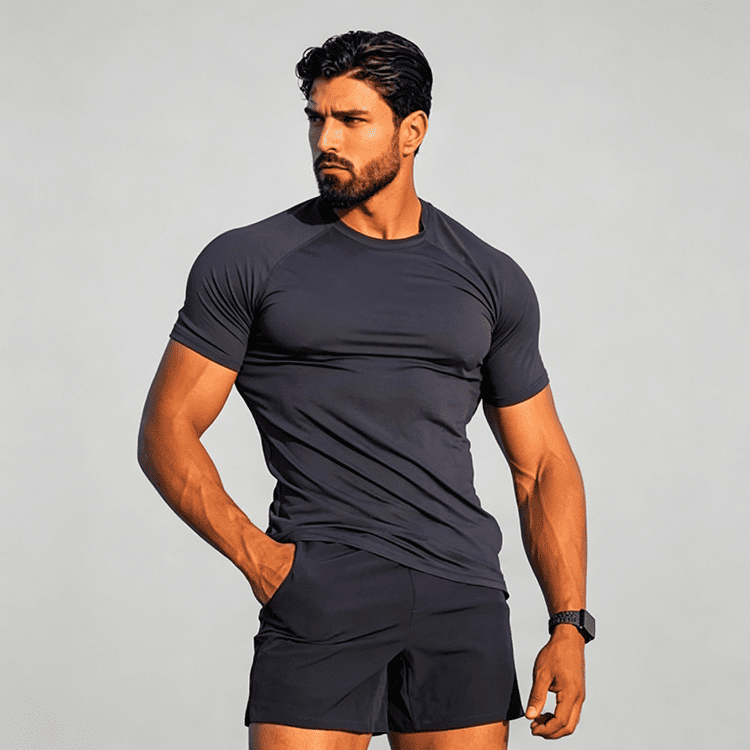
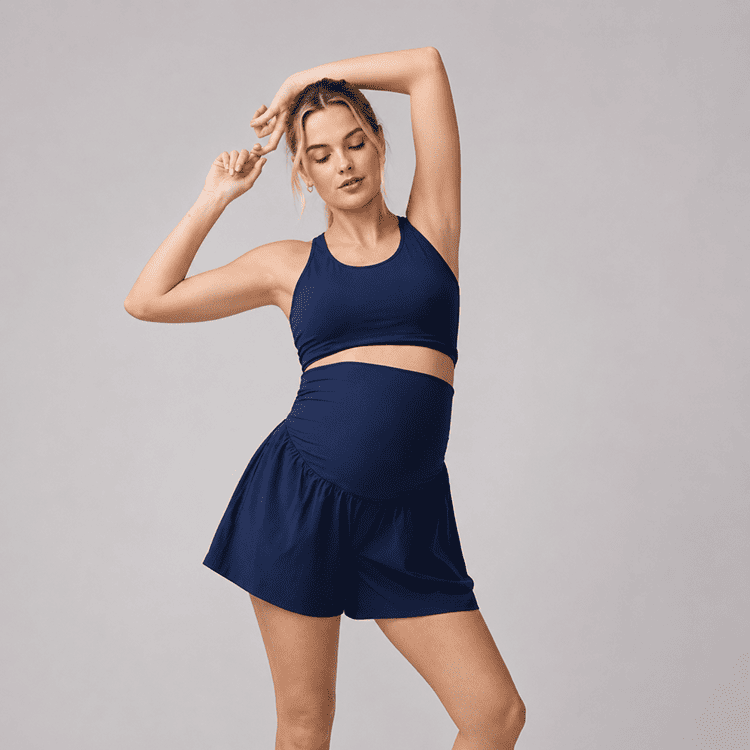
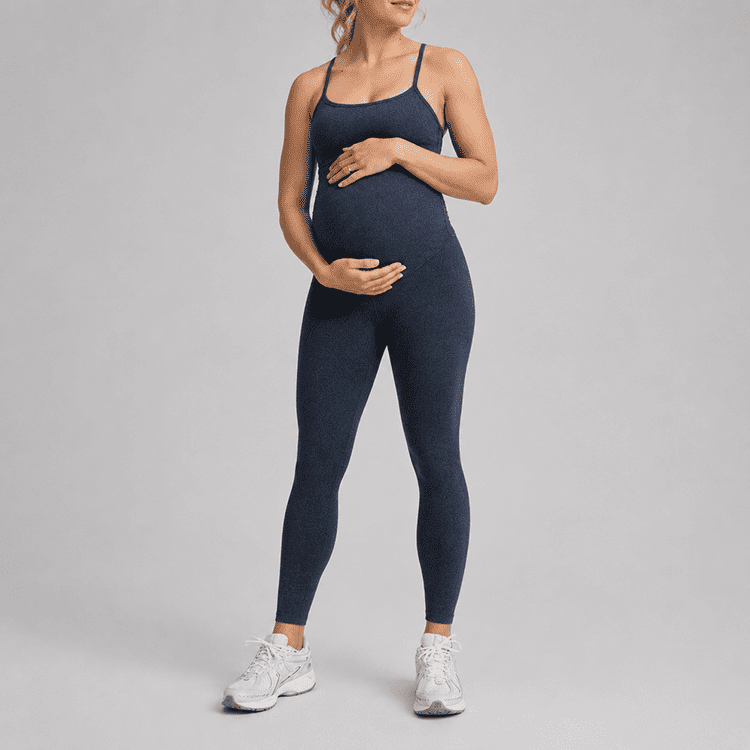
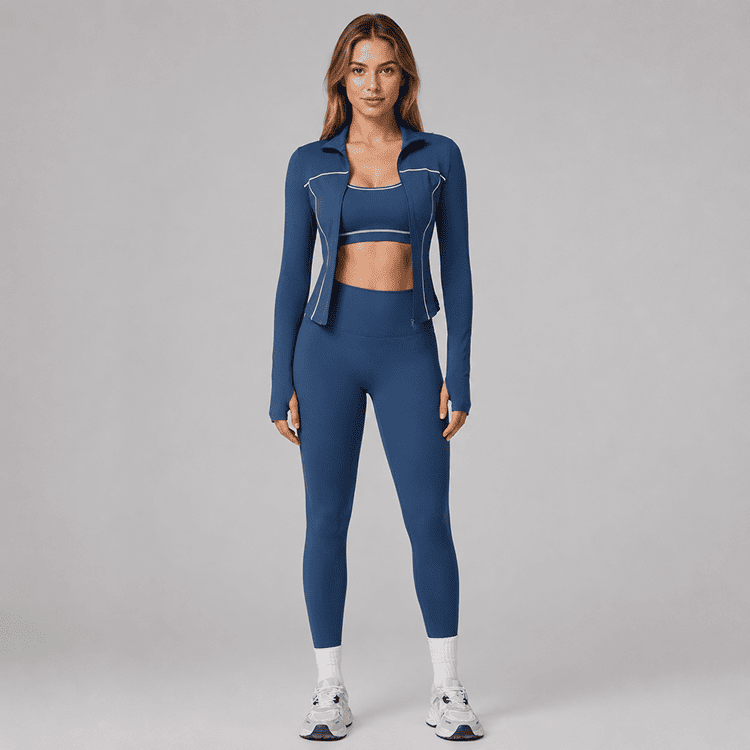
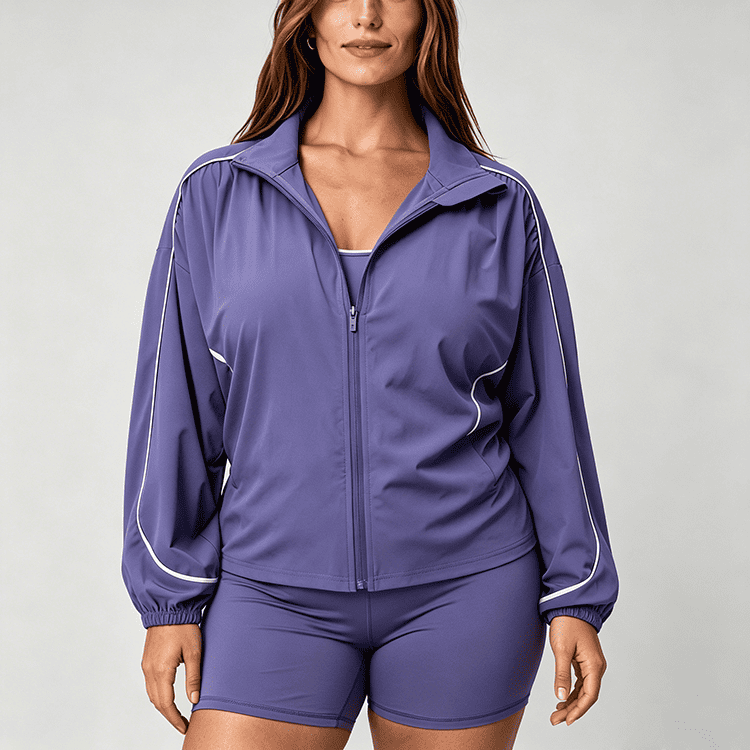
Which Activewear Categories Will See the Fastest Growth in 2026?
The fastest-growing activewear categories in 2026 are those that combine performance, versatility, inclusivity, and lifestyle relevance. While leggings and sports bras remain essential, the strongest opportunities are emerging in niche segments such as Pilates apparel, recovery wear, modest activewear, equestrian clothing, and inclusive sizing. Brands that diversify beyond traditional gym collections are more likely to build stronger customer loyalty and reduce direct competition.
Growth Is Moving Beyond Traditional Gym Wear
For many years, activewear sales were dominated by a relatively small group of products, including leggings, sports bras, running shorts, and compression tops. These categories remain important, but they are also becoming increasingly competitive as more brands enter the market.
Today’s consumers are looking for apparel that supports multiple aspects of their daily lives rather than a single workout session. This change is creating opportunities for brands willing to explore emerging categories with lower market saturation and higher perceived value.
Several purchasing patterns explain this shift:
- Consumers participate in more diverse forms of exercise than ever before.
- Wellness has expanded beyond fitness to include recovery, mindfulness, and outdoor lifestyles.
- Customers increasingly prefer capsule wardrobes built around versatile pieces.
- Social media communities encourage participation in niche sports and specialized training.
Instead of asking which product sells the most today, successful brands are asking which categories are likely to experience sustainable growth over the next five years.
2026 Activewear Growth Opportunity Matrix
| Product Category | Market Growth Potential | Competition Level | Average Selling Price | Opportunity for New Brands |
|---|---|---|---|---|
| Pilates Wear | ★★★★★ | Medium | High | Excellent |
| Recovery Wear | ★★★★★ | Low | High | Excellent |
| Tennis Apparel | ★★★★☆ | Medium | High | Very Good |
| Equestrian Apparel | ★★★★☆ | Low | Premium | Excellent |
| Plus Size Activewear | ★★★★★ | Medium | Medium-High | Excellent |
| Maternity Activewear | ★★★★☆ | Medium | High | Very Good |
| Muslim Sportswear | ★★★★☆ | Low | High | Excellent |
| Running Apparel | ★★★★☆ | High | Medium | Good |
| Yoga Apparel | ★★★☆☆ | High | Medium | Moderate |
| Gym Essentials | ★★★☆☆ | Very High | Medium | Competitive |
| Kids Activewear | ★★★★☆ | Medium | Medium | Very Good |
| Athleisure Sets | ★★★★★ | Medium | High | Excellent |
The matrix highlights an important reality: the fastest-growing opportunities are not always found in the most crowded categories. Smaller segments often offer healthier profit margins, greater customer loyalty, and stronger differentiation.
Pilates Wear Continues to Expand Worldwide
Pilates has evolved from a niche studio activity into a mainstream wellness movement. The growth of boutique fitness studios, online instructors, and home workouts has created demand for apparel specifically designed for low-impact training.
Unlike traditional yoga collections, Pilates apparel emphasizes:
- Sculpted silhouettes
- Soft compression
- Minimal seams
- Luxurious hand feel
- Neutral color palettes
- Elegant layering pieces
Consumers purchasing Pilates clothing often value premium quality over low prices, making this category particularly attractive for brands targeting mid-to-high-end markets.
Recovery Wear Is Becoming an Independent Category
Recovery is no longer viewed as the period after exercise—it has become an essential part of athletic performance.
Consumers increasingly purchase dedicated garments for:
- Stretching
- Mobility training
- Travel
- Relaxation
- Sleep optimization
- Muscle recovery
Popular products include:
- Oversized hoodies
- Lightweight joggers
- Soft performance tees
- Relaxed-fit shorts
- Thermal layering systems
Recovery wear also aligns well with the broader wellness movement, allowing brands to expand beyond traditional sports positioning.
Inclusive Sportswear Continues to Create New Demand
One of the strongest long-term opportunities lies in designing products for consumers who have historically been underserved.
Growth remains particularly strong in:
Plus Size Activewear
Consumers increasingly expect technical performance rather than simply larger sizing.
Key purchasing priorities include:
- Better support
- Improved fit
- Premium fabrics
- Attractive styling
- Confidence-focused design
Maternity Activewear
Pregnant consumers increasingly maintain active lifestyles throughout pregnancy.
Demand is growing for products offering:
- Belly support
- Breathability
- Stretch recovery
- Nursing-friendly functionality
- Postpartum versatility
Rather than purchasing temporary clothing, many customers prefer premium garments they can continue wearing after pregnancy.
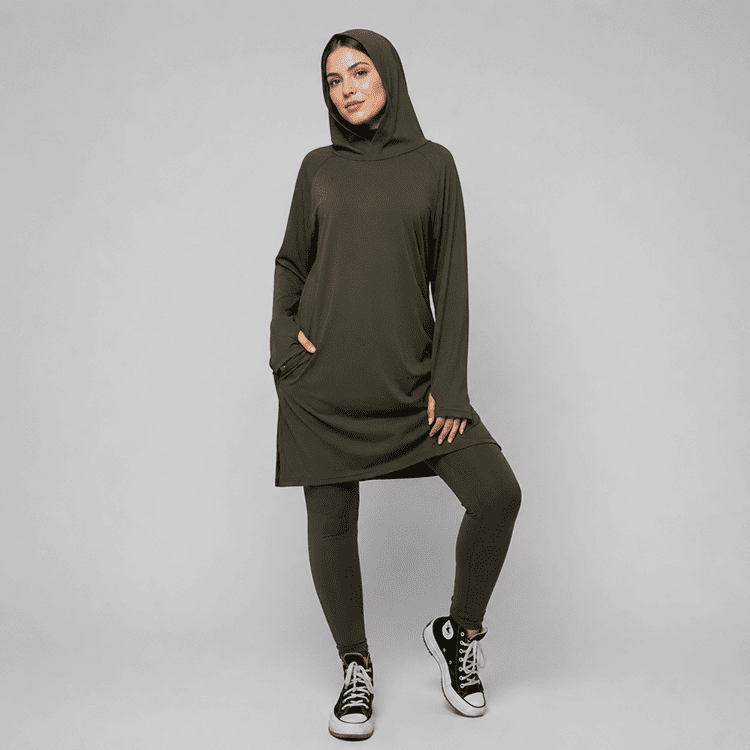
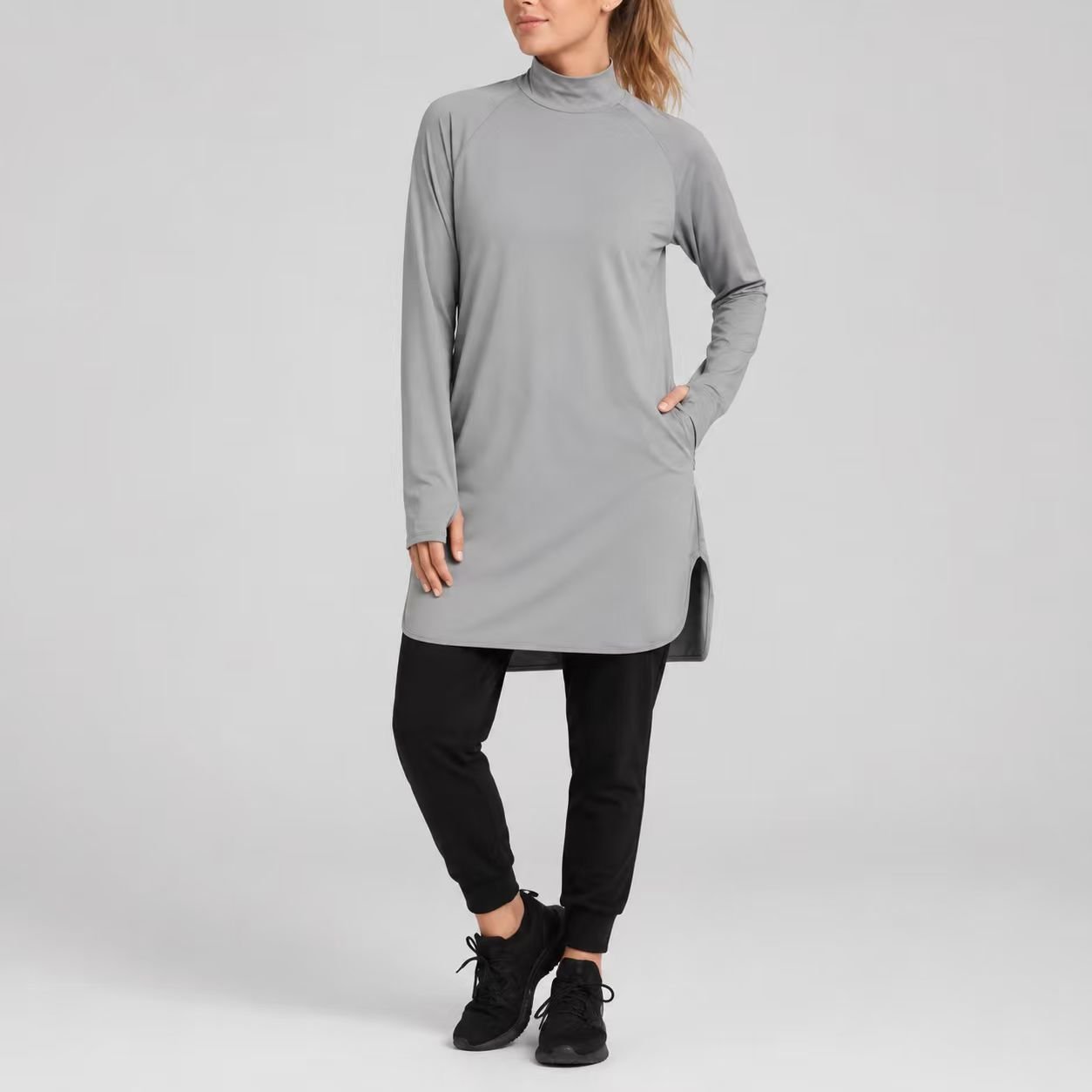
Muslim Activewear
The modest fashion market continues expanding across both Muslim-majority countries and Western markets.
Successful collections often combine:
- Lightweight fabrics
- Breathability
- UV protection
- Elegant silhouettes
- Full coverage
- Modern aesthetics
This category remains significantly less competitive than mainstream activewear while offering strong global growth potential.
Equestrian Apparel Is Becoming More Commercially Attractive
Equestrian clothing has traditionally served professional riders, but it is increasingly entering lifestyle fashion.
Consumers appreciate:
- Tailored fits
- Technical fabrics
- Durable construction
- Premium finishes
- Heritage-inspired aesthetics
Many luxury sportswear brands are beginning to incorporate equestrian-inspired elements into broader collections, creating crossover opportunities beyond the riding community.
For brands seeking differentiation, equestrian apparel represents one of the most attractive premium niches available today.
Coordinated Sets Continue to Increase Average Order Value
Matching sets remain one of the strongest merchandising strategies across global activewear markets.
Instead of purchasing individual pieces, consumers increasingly buy complete outfits, including:
- Sports bra + leggings
- Cropped hoodie + joggers
- Tennis top + skirt
- Training jacket + shorts
- Lounge sweatshirt + wide-leg pants
Matching collections offer several commercial advantages:
- Higher average transaction values
- Stronger brand identity
- Easier merchandising
- Better social media presentation
- Increased repeat purchases
For retailers, coordinated sets simplify visual merchandising while encouraging customers to purchase multiple items within a single collection.
Successful Brands Focus on Product Portfolios Instead of Individual Best Sellers
Perhaps the biggest strategic lesson for 2026 is that relying on a single best-selling product has become increasingly risky.
Market leaders are building balanced product portfolios that include:
- Core essentials generating stable revenue.
- Seasonal trend products attracting new customers.
- Premium collections increasing profitability.
- Niche categories strengthening brand positioning.
- Limited-edition capsules creating excitement.
This diversified approach reduces dependence on short-term fashion cycles while supporting long-term brand growth.
Instead of chasing every emerging trend, successful companies carefully evaluate which categories align with their brand identity, target customers, and long-term business strategy.
Top Activewear Manufacturers in China for 2026: Rankings, Strengths and Best Fit
China continues to dominate the global activewear supply chain because it offers far more than competitive pricing. Leading manufacturers combine technical fabric expertise, mature supply chains, experienced product development teams, international certifications, flexible production capacity, and increasingly sophisticated sustainability practices aligned with standards promoted by the Textile Exchange, a leading global organization for responsible textile production.
The manufacturers below were selected based on publicly available information, industry reputation, product specialization, manufacturing capabilities, export experience, certifications, and suitability for different types of sportswear brands. Rather than identifying a single “best” factory, this comparison helps buyers understand which manufacturer is the best fit for their own business model and product strategy.
How We Evaluated These Manufacturers
The ranking considers multiple factors instead of focusing only on company size.
Evaluation Criteria
- Manufacturing specialization in activewear
- Years of industry experience
- Product development capability
- Fabric innovation
- International certifications
- Export experience
- MOQ flexibility
- Production capacity
- Product category diversity
- Customer reputation
- Suitability for startups and growing brands
- Long-term partnership potential
Different buyers have different priorities. A startup launching its first collection requires a different manufacturing partner than a global retailer sourcing hundreds of thousands of units each season.
Top 10 Activewear Manufacturers in China (2026)
| Manufacturer | Headquarters | Founded | Typical MOQ | Lead Time | Best For |
|---|---|---|---|---|---|
| Pair Fashion | Dongguan, Guangdong | 2016 | 50 pcs | 15–25 working days | Private label brands, startups, premium niche activewear |
| Aika Sportswear | Dongguan, Guangdong | 2008 | 100 pcs | 20–30 days | Established fitness brands |
| Ingor Sportswear | Guangzhou, Guangdong | 2009 | 100 pcs | 25–35 days | Sustainable activewear |
| Hucai Sportswear | Xiamen, Fujian | 1998 | 300 pcs | 30–45 days | Large wholesale orders |
| SGL Sportswear | Guangzhou, Guangdong | 2005 | 100 pcs | 20–30 days | Yoga and gym apparel |
| Benta Sportswear | Dongguan, Guangdong | 2014 | 100 pcs | 20–30 days | Fashion-forward activewear |
| ApparelCN | Guangzhou, Guangdong | 2007 | 100 pcs | 20–35 days | OEM & ODM development |
| Lezhou Garment | Dongguan, Guangdong | 2010 | 100 pcs | 20–30 days | Small and medium brands |
| Fitop Sportswear | Xiamen, Fujian | 2007 | 200 pcs | 25–35 days | Teamwear and sports uniforms |
| Doven Garments | Guangzhou, Guangdong | 2008 | 100 pcs | 20–30 days | Mid-range private label collections |
1. Pair Fashion
Headquarters
Dongguan, Guangdong
Founded
2016
Typical MOQ
50 pieces
Typical Lead Time
15–25 working days
Core Product Categories
- Activewear
- Yoga Wear
- Sports Bras
- Leggings
- Tennis Wear
- Equestrian Apparel
- Plus Size Activewear
- Maternity Activewear
- Muslim Sportswear
- Hoodies
- Joggers
- Tracksuits
Public Certifications
- ISO9001
- BSCI
- GRS
- CE
- ROHS
Best Fit For
- Startup sportswear brands
- Growing DTC brands
- Private label businesses
- Boutique activewear brands
- Buyers requiring flexible MOQs
- Brands developing niche sportswear collections
May Not Be Ideal For
- Buyers sourcing basic promotional apparel only
- Extremely high-volume commodity production projects
Key Strengths
Pair Fashion has positioned itself around flexibility rather than volume alone. Instead of focusing exclusively on mass production, the company emphasizes product development, functional fabrics, and specialized categories that many larger manufacturers treat as secondary products.
Its portfolio extends beyond mainstream yoga apparel into faster-growing niches including equestrian clothing, maternity activewear, plus-size activewear, and modest sportswear, allowing brands to diversify product offerings while working with a single manufacturing partner.
The combination of a relatively low MOQ, broad category coverage, and full private label capability makes Pair Fashion particularly attractive to brands seeking long-term product development rather than one-time production.
Potential Limitations
Brands requiring millions of units annually across highly standardized basic products may prefer factories specializing exclusively in ultra-large-scale manufacturing.
2. Aika Sportswear
Headquarters
Dongguan, Guangdong
Founded
2008
Typical MOQ
Around 100 pieces
Typical Lead Time
20–30 days
Core Products
- Gym wear
- Yoga apparel
- Hoodies
- Compression wear
- Training shorts
- Sports jackets
Certifications
Publicly available information indicates compliance with common international production standards, although certification portfolios vary by product line.
Best Fit For
- Mid-sized sportswear brands
- Fitness apparel companies
- Established wholesalers
Advantages
- Extensive export experience
- Wide manufacturing capacity
- Mature production systems
- Good technical garment construction
Limitations
- MOQ is generally higher than factories serving startups.
- Product portfolio focuses primarily on mainstream fitness categories.
3. Ingor Sportswear
Headquarters
Guangzhou, Guangdong
Founded
2009
Typical MOQ
Approximately 100 pieces
Typical Lead Time
25–35 days
Core Products
- Sustainable activewear
- Yoga collections
- Seamless apparel
- Eco-friendly sportswear
Certifications
The company promotes several sustainability-related certifications and recycled material capabilities.
Best Fit For
- Sustainable brands
- Eco-conscious retailers
- Premium yoga labels
Strengths
Ingor has built a strong reputation around environmentally responsible manufacturing. Brands prioritizing recycled materials and sustainability storytelling often shortlist the company during supplier evaluations.
Potential Weaknesses
The emphasis on premium sustainable materials may increase product costs compared with conventional activewear manufacturing.
4. Hucai Sportswear
Headquarters
Xiamen, Fujian
Founded
1998
Typical MOQ
300 pieces or above
Typical Lead Time
30–45 days
Core Products
- Running apparel
- Cycling wear
- Outdoor sportswear
- Performance garments
Best Fit For
- Large distributors
- International wholesalers
- High-volume retail programs
Strengths
- Long manufacturing history
- Strong production capacity
- Technical outdoor expertise
Limitations
Its production model is generally better suited to larger order quantities than startup product launches.
5. SGL Sportswear
Headquarters
Guangzhou, Guangdong
Founded
2005
Typical MOQ
100 pieces
Typical Lead Time
20–30 days
Core Products
- Yoga apparel
- Fitness clothing
- Women’s activewear
- Running collections
Best Fit For
- Boutique brands
- Yoga studios
- Fitness retailers
Strengths
- Broad women’s collection experience
- Flexible private label solutions
- Stable export business
Weaknesses
The product portfolio is concentrated in mainstream women’s activewear rather than highly specialized categories.
6. Benta Sportswear
Headquarters
Dongguan, Guangdong
Founded
2014
Typical MOQ
100 pieces
Typical Lead Time
20–30 days
Core Product Categories
- Activewear
- Yoga Wear
- Sports Bras
- Leggings
- Gym Clothing
- Athleisure
- Matching Sets
Public Certifications
The company promotes compliance with commonly requested international manufacturing standards. Buyers should confirm certification scope based on individual product programs.
Best Fit For
- Fashion-driven activewear brands
- Boutique fitness labels
- Social media-focused DTC brands
- Buyers prioritizing trend responsiveness
May Not Be Ideal For
- Highly technical performance sportswear
- Specialized categories such as equestrian or maternity apparel
- Buyers requiring extensive product diversification from one supplier
Key Strengths
Benta has invested heavily in following international fashion movements and seasonal design trends. The company frequently publishes market reports discussing upcoming colors, silhouettes, and fabric directions, making it attractive for brands that release multiple fashion collections each year.
Its manufacturing capabilities are well suited to brands emphasizing aesthetics, coordinated collections, and fast-changing consumer preferences.
Potential Limitations
The product portfolio remains concentrated around mainstream women’s activewear. Buyers planning to expand into multiple niche categories may need additional manufacturing partners.
7. ApparelCN
Headquarters
Guangzhou, Guangdong
Founded
2007
Typical MOQ
100 pieces
Typical Lead Time
20–35 days
Core Product Categories
- Activewear
- Yoga Apparel
- Fitness Clothing
- Casual Sportswear
- Private Label Collections
Public Certifications
Certification availability varies according to product requirements and production programs.
Best Fit For
- International sourcing companies
- Medium-sized apparel brands
- OEM and ODM projects
- Buyers requiring broad apparel experience
May Not Be Ideal For
- Brands requiring extensive specialization in technical performance apparel
- Buyers seeking niche sportswear expertise
Key Strengths
ApparelCN offers experience across multiple apparel categories rather than focusing exclusively on activewear. This broader manufacturing background allows brands to consolidate sourcing when producing both sportswear and casual apparel collections.
The company also supports product customization across different garment categories, making it suitable for lifestyle brands with diversified product portfolios.
Potential Limitations
Because its business covers multiple apparel sectors, buyers seeking deep specialization in advanced performance activewear may prefer manufacturers dedicated exclusively to sportswear.
8. Lezhou Garment
Headquarters
Dongguan, Guangdong
Founded
2010
Typical MOQ
100 pieces
Typical Lead Time
20–30 days
Core Product Categories
- Yoga Wear
- Sports Bras
- Leggings
- Fitness Apparel
- Joggers
- Hoodies
Public Certifications
Public certification information should be confirmed directly during supplier evaluation.
Best Fit For
- Startup brands
- Small private label businesses
- Online retailers
- Boutique activewear companies
May Not Be Ideal For
- Large international retail chains
- Buyers requiring extensive production capacity
Key Strengths
Lezhou focuses on flexibility and personalized customer communication. The company works comfortably with smaller production runs while supporting customized branding and private label development.
This makes it particularly attractive for emerging brands launching limited product collections before scaling production.
Potential Limitations
Its production capacity is generally smaller than larger integrated sportswear manufacturers, making advance production planning important for rapidly growing brands.
9. Fitop Sportswear
Headquarters
Xiamen, Fujian
Founded
2007
Typical MOQ
200 pieces
Typical Lead Time
25–35 days
Core Product Categories
- Teamwear
- Running Apparel
- Cycling Clothing
- Training Uniforms
- Performance Jerseys
Public Certifications
Certification coverage varies depending on customer requirements and production specifications.
Best Fit For
- Sports clubs
- Schools
- Teamwear distributors
- Promotional sportswear programs
May Not Be Ideal For
- Luxury activewear brands
- Fashion-focused DTC companies
- Premium yoga collections
Key Strengths
Fitop has accumulated considerable experience producing customized team uniforms and technical sports apparel for organizations and institutional buyers. Its manufacturing processes are well suited to repeat production with consistent specifications.
Potential Limitations
Compared with manufacturers focused on premium athleisure, its product portfolio places greater emphasis on functional team sports than lifestyle collections.
10. Doven Garments
Headquarters
Guangzhou, Guangdong
Founded
2008
Typical MOQ
100 pieces
Typical Lead Time
20–30 days
Core Product Categories
- Activewear
- Gym Wear
- Sports Bras
- Leggings
- Hoodies
- Joggers
Public Certifications
Certification status should be verified according to each sourcing project.
Best Fit For
- Private label brands
- Regional wholesalers
- Fitness retailers
- Growing sportswear companies
May Not Be Ideal For
- Highly technical performance apparel
- Specialized niche product development
Key Strengths
Doven provides balanced manufacturing capabilities covering many mainstream activewear categories. Brands looking for reliable production of established product lines often include the company during initial supplier evaluations.
Potential Limitations
The company focuses primarily on established activewear categories rather than emerging niche markets, which may limit differentiation for brands pursuing unique product positioning.
Top 10 Activewear Manufacturers Comparison Matrix
| Manufacturer | Founded | MOQ | Lead Time | Main Strength | Product Specialization | Best For |
|---|---|---|---|---|---|---|
| Pair Fashion | 2016 | 50 pcs | 15–25 working days | Flexible development, niche expertise | Activewear, Yoga, Tennis, Equestrian, Plus Size, Maternity, Muslim Sportswear | Startups, DTC brands, Private Label, Premium niche collections |
| Aika Sportswear | 2008 | 100 pcs | 20–30 days | Stable production capacity | Fitness, Gym Wear | Growing brands |
| Ingor Sportswear | 2009 | 100 pcs | 25–35 days | Sustainability | Eco Activewear | Sustainable brands |
| Hucai Sportswear | 1998 | 300 pcs | 30–45 days | Large-scale manufacturing | Outdoor, Running | Large wholesalers |
| SGL Sportswear | 2005 | 100 pcs | 20–30 days | Women’s activewear | Yoga, Fitness | Boutique brands |
| Benta Sportswear | 2014 | 100 pcs | 20–30 days | Fashion trend response | Athleisure | Fashion-driven brands |
| ApparelCN | 2007 | 100 pcs | 20–35 days | Multi-category sourcing | General Apparel | Diversified brands |
| Lezhou Garment | 2010 | 100 pcs | 20–30 days | Small-batch flexibility | Yoga & Fitness | Startup brands |
| Fitop Sportswear | 2007 | 200 pcs | 25–35 days | Teamwear production | Sports Uniforms | Clubs & Institutions |
| Doven Garments | 2008 | 100 pcs | 20–30 days | Balanced production | Mainstream Activewear | Growing private labels |
Which Manufacturer Is the Right Choice for Your Business?
There is no universal “best” manufacturer because every brand has different priorities, business models, and growth stages. The most successful sourcing decisions are based on strategic alignment rather than company size alone.
For example, a newly launched direct-to-consumer brand usually benefits from working with a manufacturer that offers flexible minimum order quantities, collaborative product development, and responsive communication. In contrast, an established retailer managing multiple seasonal collections may prioritize production capacity, supply chain stability, and standardized quality systems.
Instead of selecting suppliers solely based on pricing, buyers should evaluate manufacturers across several dimensions:
- Product specialization that matches your target market.
- Development capability for new collections and product innovation.
- Quality consistency supported by recognized certifications and quality management systems.
- Supply chain flexibility for both small trial orders and future scaling.
- Communication efficiency throughout sampling and production.
- Long-term partnership potential, including continuous product improvement and strategic collaboration.
A manufacturer should not simply produce garments—it should strengthen your brand’s ability to compete in an increasingly dynamic activewear market.
Why Is China Still the Global Leader in Activewear Manufacturing?
China remains a leading destination for activewear manufacturing in 2026 because it combines fabric innovation, production capacity, skilled labor, mature supplier networks, and export experience in one integrated ecosystem. While other countries may offer advantages in labor cost or regional proximity, China continues to provide stronger overall efficiency for brands that need technical fabrics, reliable quality, flexible development, and scalable production.
China Offers a Complete Activewear Supply Chain
The biggest advantage of manufacturing activewear in China is not simply price. It is the depth of the supply chain.
A typical activewear collection may require:
- Stretch nylon
- Recycled polyester
- Spandex blends
- Seamless fabrics
- Compression materials
- Cooling fabrics
- Mesh panels
- Custom elastic
- Reflective printing
- Heat transfer labels
- Branded packaging
In China, many of these resources can be sourced, tested, sampled, and adjusted within a short distance. This shortens development time and reduces communication friction between fabric mills, trim suppliers, printing workshops, sample rooms, and garment factories.
For activewear brands, this ecosystem matters because performance garments are more sensitive to material quality and construction accuracy than basic casualwear. A small change in fabric weight, stretch recovery, or seam placement can affect fit, comfort, and customer reviews.
China vs Other Manufacturing Countries
| Country | Main Advantage | Main Limitation | Best Fit |
|---|---|---|---|
| China | Complete supply chain, fabric innovation, flexible development | Not always the lowest labor cost | Technical activewear, private label, mixed-category collections |
| Vietnam | Stable export manufacturing | Less flexible for small custom programs | Large-volume sportswear orders |
| Bangladesh | Very competitive labor cost | Stronger in basics than technical activewear | High-volume basic apparel |
| Turkey | Close to Europe, fast shipping | Higher production cost | European nearshore programs |
| India | Cotton and textile base | Less specialized in synthetic performance wear | Cotton-blend sportswear |
| Portugal | Premium craftsmanship | High cost and limited large-scale capacity | Luxury European activewear |
The comparison shows why many brands continue using China even when exploring alternative sourcing countries. For technical sportswear, supplier coordination and material development often matter as much as labor cost.
Fabric Innovation Keeps China Competitive
Activewear relies heavily on fabric performance. China’s fabric ecosystem allows brands to access a broad range of materials, including:
- Recycled nylon and recycled polyester
- High-compression knit fabrics
- Cooling touch materials
- Moisture-wicking polyester blends
- UV-protection fabrics
- Anti-bacterial finishes
- Seamless knit structures
- Brushed soft-touch fabrics
- Water-repellent outdoor materials
This variety gives buyers more freedom to build products for different price levels and market positions.
A premium Pilates collection may require soft compression and matte surfaces. A running collection may need lightweight quick-dry fabrics. A modest activewear line may prioritize breathable coverage and UV protection. A plus-size collection may require stronger stretch recovery and supportive compression.
China’s advantage lies in offering these options within one sourcing environment.
Flexibility Matters More Than Ever
In 2026, many activewear brands are moving away from large risky inventory commitments. Instead, they prefer smaller test orders, faster replenishment, and more frequent collection updates.
This shift benefits manufacturers that can support:
- Small-batch trial orders
- Multi-style collection development
- Seasonal color updates
- Fast sample adjustments
- Repeat production after market validation
- Private label customization
China’s manufacturing ecosystem is well suited to this model because many factories operate with flexible production lines, mature subcontracting networks, and experienced sourcing teams.
For startups and DTC brands, flexibility can be more valuable than the lowest possible unit price. A slightly higher cost per garment may be worthwhile if it reduces inventory risk and helps a brand test the market more intelligently.
Certifications and Compliance Are Increasingly Important
Global buyers are paying closer attention to compliance, especially in Europe, North America, and Australia.
Common requirements include:
- BSCI
- ISO9001
- GRS
- OEKO-TEX
- REACH-related material compliance
- Product safety testing
- Fabric performance reports
Chinese manufacturers serving international brands are increasingly familiar with these requirements. This experience reduces sourcing risk for buyers who need documentation for retailers, marketplaces, customs clearance, or brand transparency.
China’s Role Is Changing From “Factory Base” to “Development Partner”
The strongest Chinese activewear manufacturers are no longer only production vendors. Many now provide market-aware development support, fabric recommendations, private label assistance, pattern optimization, and collection planning input.
This shift is important because activewear brands face faster trend cycles and more demanding consumers. Buyers increasingly need suppliers that can help them interpret ideas into commercially viable products.
In 2026, China’s strongest advantage is not simply making more garments. It is helping brands turn market trends into products that can be manufactured, tested, improved, and scaled.
Which Fabrics, Colors and Design Directions Will Define Activewear in 2026?
The defining characteristics of activewear in 2026 extend far beyond appearance. While seasonal colors continue to influence purchasing decisions, buyers are placing greater emphasis on fabric performance, comfort, sustainability, versatility, and emotional appeal. The most successful collections combine functional innovation with timeless aesthetics, allowing garments to perform equally well in the gym, the office, during travel, and throughout daily life.
Performance Fabrics Continue to Lead Product Innovation
Today’s consumers expect activewear to deliver multiple performance benefits simultaneously. Instead of choosing products based on a single feature, they increasingly compare garments based on overall wearing experience.
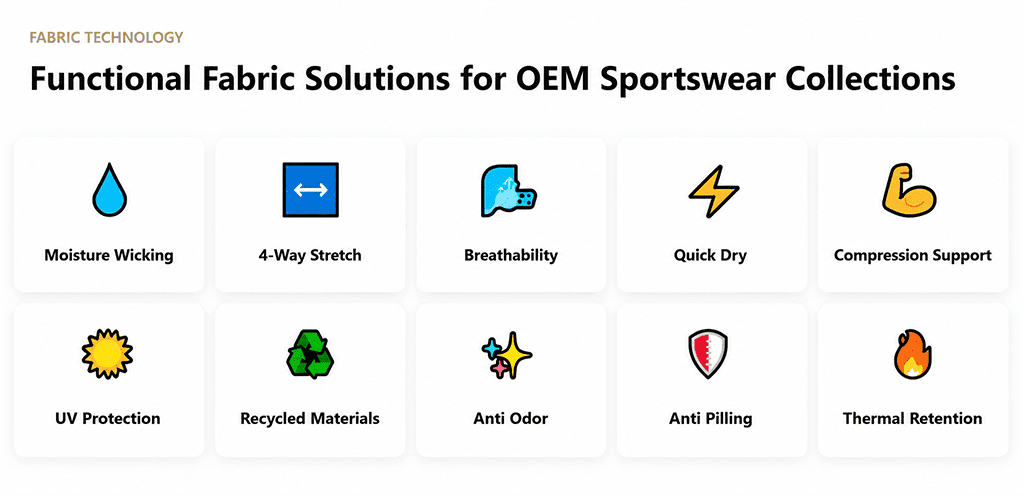
The most requested fabric characteristics for 2026 include:
- Four-way stretch for unrestricted movement
- Moisture management for improved comfort
- Quick-drying performance
- Soft-touch hand feel
- Shape retention after repeated washing
- Lightweight compression
- Breathability
- Anti-pilling durability
Consumers rarely ask about fabric composition directly. Instead, they evaluate how garments feel after several months of use. Fabrics that maintain softness, elasticity, and appearance continue to generate stronger customer satisfaction and lower return rates.
For brands, investing in higher-performing fabrics often creates greater long-term value than competing solely on lower manufacturing costs.
Sustainability Is Becoming a Purchasing Standard Rather Than a Premium Feature
A few years ago, recycled fabrics were considered a niche selling point. In 2026, sustainability has become part of mainstream purchasing expectations across many international markets.
Popular sustainable material choices include:
- Recycled Polyester
- Recycled Nylon
- GRS-certified fabrics
- REPREVE® recycled fibers
- Bio-based synthetic materials
- Organic cotton blends
- Lyocell blends
- Bamboo performance fabrics
Consumers are becoming more informed about textile production and increasingly expect brands to communicate material choices transparently.
However, sustainability should not compromise performance. Successful brands balance environmental responsibility with durability, comfort, and functionality rather than treating sustainability as a marketing slogan.
Functional Fabric Technologies Continue to Expand
Modern activewear increasingly incorporates specialized fabric technologies designed for specific sports and environments.
Examples include:
| Technology | Primary Benefit | Common Applications |
|---|---|---|
| Cooling Finish | Reduces heat buildup | Running, Tennis, Outdoor |
| Compression Knit | Muscle support | Gym, Running |
| Moisture Wicking | Faster sweat transport | Training, Yoga |
| UV Protection | Sun protection | Golf, Tennis, Outdoor |
| Anti-Odor Treatment | Freshness during extended wear | Travel, Fitness |
| Water Repellent Finish | Light weather protection | Outdoor, Hiking |
| Thermal Regulation | Balanced body temperature | Cold-weather training |
| Seamless Construction | Reduced friction | Yoga, Pilates |
Rather than applying every available technology to every garment, successful brands carefully match fabric performance with actual consumer needs.
For example:
- A Pilates collection benefits more from soft compression than waterproof coatings.
- Trail running apparel may prioritize moisture management and abrasion resistance.
- Tennis apparel often combines UV protection with lightweight breathability.
The best products solve specific problems instead of attempting to include every possible feature.
Color Trends Are Becoming More Sophisticated
The activewear industry is gradually moving away from extremely bright seasonal colors toward more versatile palettes that support long-term wardrobe integration.
Trending Neutral Colors
Neutral shades continue to dominate premium collections because they offer flexibility and timeless appeal.
Popular choices include:
- Stone Beige
- Warm Taupe
- Clay Brown
- Soft Olive
- Mist Grey
- Charcoal
- Off White
- Deep Navy
These colors appeal to consumers seeking minimalist wardrobes and coordinate easily with existing garments.
Nature-Inspired Accent Colors
Alongside neutrals, brands are introducing carefully selected accent colors inspired by natural landscapes.
Growing color directions include:
- Sage Green
- Forest Moss
- Ocean Blue
- Dusty Lavender
- Terracotta
- Mineral Blue
- Desert Sand
- Sunset Coral
These colors feel contemporary without becoming overly seasonal, allowing products to remain commercially relevant for longer selling periods.
High-Energy Performance Colors
Bright colors continue to perform well in certain categories, particularly high-intensity training and outdoor sports.
Examples include:
- Electric Lime
- Digital Orange
- Performance Red
- Bright Aqua
- Neon Yellow
Rather than dominating entire collections, these colors are increasingly used as:
- Contrast panels
- Logo details
- Stitching
- Zippers
- Drawcords
- Limited-edition capsule releases
This balanced approach creates visual interest while maintaining broad consumer appeal.
Texture Is Becoming an Important Design Language
Consumers are paying closer attention to fabric texture because it directly influences perceived product quality.
Popular textures for 2026 include:
- Fine rib structures
- Brushed surfaces
- Matte finishes
- Micro-textured compression knits
- Lightweight jacquards
- Double-knit constructions
Texture allows brands to differentiate products even when using similar silhouettes or color palettes.
For premium collections, subtle texture often communicates quality more effectively than excessive logos or decorative graphics.
Minimalist Design Continues to Gain Momentum
While bold prints remain popular in certain niche markets, overall design trends continue moving toward simplicity.
Common characteristics include:
- Clean silhouettes
- Hidden seams
- Tonal branding
- Minimal graphics
- Functional pocket placement
- Sculpted panel construction
Consumers increasingly associate minimalist aesthetics with premium quality, versatility, and longevity.
Rather than following short-lived fashion trends, many brands are creating products designed to remain relevant across multiple seasons.
Trend-to-Product Mapping for 2026
| Market Trend | Recommended Fabric | Suggested Products | Target Customer |
|---|---|---|---|
| Wellness Lifestyle | Soft Compression Nylon | Pilates Sets | Women 25–45 |
| Outdoor Activities | UV-Protect Fabric | Tennis, Golf Apparel | Outdoor Enthusiasts |
| Sustainable Consumption | Recycled Polyester | Yoga Collections | Eco-conscious Buyers |
| Inclusive Fitness | High Recovery Stretch | Plus Size Activewear | Inclusive Brands |
| Travel Comfort | Lightweight Knit | Joggers, Hoodies | Frequent Travelers |
| Recovery Movement | Brushed Performance Fabric | Lounge & Recovery Wear | Wellness Consumers |
This mapping illustrates how trends should guide product development decisions rather than simply influencing seasonal color selections.
Successful collections begin with understanding consumer behavior, followed by selecting appropriate fabrics, then designing products that genuinely address evolving lifestyles.
Design Trends Are Becoming More Lifestyle-Oriented
Perhaps the biggest design shift for 2026 is the move away from “sportswear for exercise” toward “sportswear for modern living.”
Consumers increasingly expect one garment to perform across multiple situations:
- Morning workout
- Coffee meeting
- Remote work
- School pickup
- Weekend travel
- Evening walk
This expectation is encouraging brands to simplify styling while increasing technical functionality.
As a result, the most successful activewear collections combine:
- Performance engineering
- Premium comfort
- Modern aesthetics
- Everyday versatility
- Long product life cycles
Instead of designing garments for a single activity, brands are designing products that integrate naturally into consumers’ daily routines. This philosophy is likely to remain one of the defining characteristics of the activewear industry well beyond 2026.
How Are Successful Brands Planning Their 2026 Activewear Collections?
The most successful activewear brands in 2026 are no longer building collections around individual best-selling products. Instead, they develop complete product ecosystems designed to meet specific customer lifestyles, activity levels, and purchasing behaviors. Collection planning has become a strategic business process that combines market research, consumer insights, merchandising, pricing, and supply chain flexibility.
Brands that consistently outperform competitors are not necessarily introducing more products—they are launching better-connected collections that encourage repeat purchases, improve average order value, and strengthen long-term customer loyalty.
Collection Planning Begins With Customer Lifestyles
Many brands make the mistake of starting with product ideas.
Successful brands start with customer lifestyles.
Instead of asking:
“Should we launch another pair of leggings?”
They ask:
- Who is our customer?
- How do they spend their day?
- What activities do they participate in?
- Which products naturally fit those activities?
- What problems remain unsolved?
For example:
Pilates Enthusiasts
Rather than offering only leggings and sports bras, a complete Pilates collection may include:
- Soft compression leggings
- Low-impact sports bras
- Lightweight wrap tops
- Cropped sweatshirts
- Grip socks
- Relaxed recovery pants
- Tote bags
- Matching headbands
The customer purchases an experience rather than a single garment.
Tennis Lifestyle Consumers
A modern tennis-inspired collection may combine:
- Performance polos
- Tennis skirts
- Compression shorts
- UV jackets
- Warm-up pants
- Court dresses
- Performance caps
- Lightweight outerwear
The result is a coherent collection that supports both athletic performance and casual lifestyle wear.
Build Hero Products Around Strong Category Anchors
Every successful collection contains a small number of products that define the brand.
These “Hero Products” generate visibility, attract new customers, and often become the foundation for future product expansion.
Examples include:
- Signature leggings
- Premium sports bras
- Technical hoodies
- Sculpting shorts
- Seamless tops
- Tennis dresses
Once these products establish credibility, brands can expand naturally into complementary categories.
A useful planning guideline is:
| Product Role | Percentage of Collection |
|---|---|
| Hero Products | 20% |
| Core Everyday Products | 50% |
| Seasonal Trend Products | 20% |
| Limited Edition Capsules | 10% |
This structure balances stability with innovation while reducing inventory risk.
Create Complete Outfit Systems Instead of Individual SKUs
Consumers increasingly purchase coordinated outfits.
Instead of adding isolated products to a shopping cart, they prefer complete styling solutions.
A typical outfit system may include:
- Sports Bra
- Leggings
- Jacket
- Cap
- Socks
- Gym Bag
This strategy offers several commercial advantages:
- Higher average order values
- Better online merchandising
- Easier cross-selling
- Improved customer retention
- Stronger visual identity across marketing channels
Brands that merchandise complete outfits often achieve stronger sales than those relying on unrelated individual products.
Balance Core Products With Trend-Driven Innovation
One common mistake is chasing every emerging trend.
Another is refusing to evolve.
Successful brands strike a balance between proven products and carefully selected innovations.
A practical product portfolio may look like this:
| Product Type | Business Purpose |
|---|---|
| Core Essentials | Stable year-round sales |
| Seasonal Products | Capture current demand |
| Premium Collections | Increase profit margins |
| Experimental Capsules | Test new ideas |
| Niche Categories | Differentiate the brand |
This balanced approach allows companies to respond to changing markets without compromising operational stability.
Develop Collections Around Consumer Problems
The strongest collections solve real problems instead of simply following fashion trends.
Examples include:
| Consumer Need | Product Opportunity |
|---|---|
| Travel Comfort | Wrinkle-resistant joggers |
| Hybrid Work | Elevated athleisure sets |
| Summer Heat | Cooling fabric collections |
| Inclusive Sizing | Extended size activewear |
| Pregnancy Fitness | Supportive maternity apparel |
| Horse Riding | Technical equestrian clothing |
| Recovery | Soft lounge collections |
When products address specific consumer needs, marketing becomes easier because the value proposition is immediately clear.
Build a Layered Price Architecture
Not every customer has the same budget.
Leading brands organize collections into several pricing levels while maintaining consistent quality standards.
Example:
| Tier | Positioning | Typical Customer |
|---|---|---|
| Entry | Everyday essentials | First-time buyers |
| Mid-Level | Performance collections | Regular active users |
| Premium | Advanced technical apparel | Enthusiasts and professionals |
| Limited Edition | Exclusive capsules | Brand loyalists |
This pricing structure broadens the customer base while increasing opportunities for repeat purchases and upselling.
Plan Collections Around Seasonal Demand
Although activewear sells throughout the year, purchasing behavior still follows seasonal patterns.
A simplified annual planning calendar might look like this:
| Season | Product Focus |
|---|---|
| Spring | Lightweight training apparel, running collections |
| Summer | Tennis, golf, cooling fabrics, outdoor activities |
| Autumn | Layering systems, joggers, lightweight jackets |
| Winter | Thermal activewear, hoodies, fleece collections |
Brands that align product launches with consumer buying cycles are more likely to maximize full-price sales and minimize end-of-season markdowns.
Data Should Guide Every Collection Decision
Modern merchandising increasingly relies on measurable insights rather than intuition alone.
Useful sources include:
- Online search trends
- Customer reviews
- Sell-through reports
- Social media engagement
- Product return reasons
- Fabric performance testing
- Retail feedback
- Community discussions
Combining qualitative and quantitative information helps brands reduce development risk while improving collection relevance.
Long-Term Winners Think in Collections, Not Seasons
The strongest activewear brands are building long-term product platforms rather than isolated seasonal releases.
Instead of replacing an entire collection every year, they continuously refine successful products by:
- Introducing new color stories
- Updating fabrics
- Improving fit
- Adding complementary styles
- Expanding into adjacent categories
This approach strengthens brand recognition, simplifies inventory planning, and builds customer trust through product consistency.
Ultimately, successful collection planning is not about creating more products—it is about creating a cohesive product strategy that evolves alongside changing consumer lifestyles and market opportunities.
What Should Buyers Compare Before Shortlisting an Activewear Manufacturer?
Selecting an activewear manufacturer is one of the most influential decisions a sportswear brand will make. The right supplier can accelerate product development, improve quality consistency, and support long-term growth. The wrong one can lead to delayed launches, inconsistent products, rising costs, and damaged customer trust.
Many buyers focus primarily on pricing during the initial sourcing stage. However, experienced brands know that manufacturing success depends on evaluating a supplier’s overall capability, not simply its quotation. A factory that offers a lower unit price but struggles with communication, quality control, or product development may ultimately become the more expensive option.
Before creating a shortlist, buyers should compare suppliers across technical expertise, operational stability, flexibility, compliance, and long-term partnership potential.
Start With Product Specialization Instead of Factory Size
A larger factory is not automatically a better factory.
Different manufacturers specialize in different product categories. A factory producing millions of cotton T-shirts each year may not have the technical knowledge required to manufacture premium compression leggings or seamless sports bras.
Buyers should first determine whether a supplier has proven experience in the products they intend to launch.
For example:
| Product Category | Ideal Manufacturing Experience |
|---|---|
| Yoga Apparel | High-stretch fabrics, flatlock seams, compression construction |
| Running Wear | Lightweight fabrics, moisture management, reflective details |
| Tennis Apparel | UV protection, lightweight woven fabrics, premium finishing |
| Equestrian Apparel | Technical pattern engineering, abrasion resistance, reinforced stitching |
| Maternity Activewear | Supportive pattern design, stretch recovery, ergonomic fit |
| Plus Size Activewear | Inclusive grading, balanced compression, reinforced construction |
A manufacturer with deep expertise in your target category will usually solve problems faster during sampling and production.
Evaluate Product Development Capability
Manufacturing begins long before bulk production.
Product development often determines whether a collection succeeds or fails in the marketplace.
Ask whether the manufacturer can support:
- Pattern development
- Size grading
- Fabric recommendations
- Trim sourcing
- Construction optimization
- Wear testing suggestions
- Prototype improvements
- Cost engineering
Factories that actively contribute development ideas often become valuable strategic partners rather than simple production facilities.
This is particularly important for startups and growing brands that may not have large in-house product development teams.
Compare Sampling Efficiency, Not Just Sample Speed
Fast sampling is useful—but only if the sample is accurate.
Receiving a sample in five days has little value if it requires multiple rounds of revisions.
Instead, evaluate:
- Sample accuracy
- Pattern quality
- Construction consistency
- Fabric matching
- Communication during revisions
- Attention to technical details
A well-executed first sample often saves several weeks during the overall product development timeline.
Understand Quality Management Beyond Final Inspection
Quality should never depend entirely on the final inspection.
Reliable manufacturers integrate quality management throughout production.
An effective quality system typically includes:
- Incoming material inspection
- Fabric testing
- In-process quality checks
- Measurement verification
- Printing and embroidery inspections
- Final garment inspection
- Packaging verification
Ask suppliers how quality is monitored throughout production rather than simply requesting defect rates.
Review Supply Chain Stability
Modern activewear production relies on a network of specialized suppliers.
Important supply chain components include:
- Fabric mills
- Elastic suppliers
- Printing facilities
- Embroidery partners
- Packaging manufacturers
- Logistics providers
Factories with stable supplier relationships are generally better equipped to maintain delivery schedules during periods of market volatility.
Supply chain resilience has become increasingly valuable as global transportation and raw material markets continue evolving.
Assess Communication Quality Early
Many sourcing problems originate from communication rather than production.
Early conversations often reveal how a supplier manages projects.
Look for manufacturers that:
- Respond clearly and promptly.
- Ask detailed technical questions.
- Confirm requirements in writing.
- Identify potential production risks.
- Provide realistic timelines.
- Offer constructive recommendations.
Strong communication reduces misunderstandings and improves collaboration throughout the product lifecycle.
Verify Certifications Relevant to Your Market
Certification requirements vary by country, retailer, and product category.
Depending on your target market, buyers may request:
- ISO9001
- BSCI
- GRS
- OEKO-TEX®
- REACH compliance
- Third-party fabric testing
Rather than requesting every available certification, determine which ones align with your customers’ expectations and regulatory requirements.
Compare Long-Term Partnership Potential
The best manufacturer is not necessarily the one offering the lowest quotation today.
Instead, evaluate whether the supplier can continue supporting your business as it grows.
Consider questions such as:
- Can production scale with increasing order volumes?
- Can new product categories be added later?
- Does the factory invest in new technologies?
- Is continuous product improvement encouraged?
- Can seasonal collections be developed efficiently?
- Does the supplier understand your target market?
Long-term partnerships often reduce development costs, improve consistency, and shorten future product launch cycles.
Activewear Manufacturer Evaluation Scorecard
The following scorecard can help buyers compare suppliers more objectively.
| Evaluation Area | Weight | Key Questions |
|---|---|---|
| Product Specialization | 20% | Does the factory regularly produce your target category? |
| Product Development | 15% | Can they improve patterns, fabrics, and construction? |
| Quality Management | 15% | Are quality controls implemented throughout production? |
| Supply Chain Stability | 10% | Are material suppliers reliable and diversified? |
| Communication | 10% | Are responses timely, detailed, and proactive? |
| Certifications | 10% | Do certifications match your target market requirements? |
| Flexibility | 10% | Can the supplier support small and large orders? |
| Production Capacity | 10% | Can future growth be accommodated? |
Rather than selecting suppliers based on a single strength, evaluate the overall balance across all criteria.
Common Mistakes Buyers Make When Comparing Manufacturers
Even experienced sourcing professionals occasionally focus on the wrong indicators.
Common mistakes include:
- Choosing the lowest quotation without comparing technical capability.
- Assuming larger factories always provide better service.
- Ignoring communication quality during early discussions.
- Comparing MOQs without considering product complexity.
- Evaluating only production cost while overlooking development support.
- Selecting suppliers before verifying certifications and compliance.
- Switching manufacturers frequently instead of building long-term partnerships.
Avoiding these mistakes often leads to stronger product consistency, lower operational risk, and more sustainable business growth.
The Best Manufacturer Is the One That Matches Your Business Strategy
There is no single manufacturer that is perfect for every buyer.
A startup launching its first collection may prioritize flexibility, low MOQs, and collaborative product development.
An established international retailer may focus on production capacity, standardized quality systems, and global compliance.
A premium performance brand may value advanced fabric expertise and technical garment engineering above all else.
The most successful sourcing decisions occur when a manufacturer’s capabilities align closely with a brand’s long-term goals rather than its immediate purchasing budget.
Choosing a manufacturing partner should therefore be viewed as a strategic investment—one that supports innovation, strengthens customer satisfaction, and enables sustainable growth over many product seasons.
What Global Buyers Need to Know Before Sourcing Activewear from China
Global sourcing has become significantly more sophisticated over the past decade. Buyers are no longer simply comparing manufacturing costs between countries. They are evaluating total supply chain efficiency, product consistency, compliance standards, logistics reliability, and long-term sourcing resilience.
For sportswear brands, sourcing activewear from China offers substantial opportunities, but successful procurement requires careful planning before the first purchase order is placed. Understanding certification requirements, sampling expectations, shipping options, and supplier verification processes helps reduce risk while improving product quality and delivery performance.
Understand Your Own Product Requirements Before Contacting Suppliers
One of the most common sourcing mistakes is requesting quotations before defining the product itself.
Before approaching manufacturers, buyers should clearly establish:
- Product category
- Target retail price
- Expected order quantity
- Target customer
- Preferred fabric composition
- Performance requirements
- Brand positioning
- Packaging expectations
- Target launch schedule
Providing clear information enables manufacturers to recommend more appropriate materials, production methods, and pricing structures.
A detailed project brief also reduces misunderstandings during product development and improves quotation accuracy.
Different Markets Have Different Compliance Requirements
Every export market has its own regulations regarding textiles, labeling, chemical substances, and product safety.
Although requirements differ by country, buyers should become familiar with the standards relevant to their primary markets.
North America
Buyers commonly focus on:
- Product safety
- Fabric performance
- Fiber content labeling
- Country of origin labeling
- Children’s product requirements where applicable
European Union
European buyers often place greater emphasis on:
- Chemical compliance
- Sustainability
- Environmental responsibility
- Social compliance
- Material traceability
Australia and New Zealand
Important considerations include:
- UV performance
- Fabric durability
- Outdoor suitability
- Label accuracy
Middle East
Many buyers prioritize:
- Modest apparel construction
- Lightweight breathable fabrics
- Heat management
- Premium appearance
- Reliable delivery schedules
Understanding destination-market expectations early helps avoid costly redesigns later in the sourcing process.
Sampling Should Be Viewed as Product Development
Many first-time buyers assume sampling is simply about producing one garment.
In reality, sampling is the most important stage of product validation.
During sampling, brands can evaluate:
- Overall fit
- Fabric performance
- Stretch recovery
- Stitch quality
- Construction details
- Color accuracy
- Logo positioning
- Label placement
- Packaging concepts
Each sample provides valuable feedback that improves future production.
Rather than rushing this stage, experienced buyers use sampling to refine both product quality and manufacturing efficiency.
Build Realistic Production Timelines
Production schedules vary according to product complexity, fabric availability, order quantity, and seasonal demand.
Typical project stages include:
| Stage | Typical Duration |
|---|---|
| Product Discussion | 2–5 days |
| Quotation Review | 2–5 days |
| Material Confirmation | 5–10 days |
| Sample Development | 7–20 days |
| Sample Revision (if required) | 5–15 days |
| Bulk Production | 20–40 days |
| Quality Inspection | 2–5 days |
| International Shipping | Varies by destination |
Planning adequate lead time helps brands avoid unnecessary air freight costs and delayed product launches.
Understand Shipping Options Before Production Begins
Shipping decisions influence inventory planning as much as production itself.
Common international shipping methods include:
Air Freight
Best suited for:
- Urgent replenishment
- Small-volume orders
- Product launches
- High-value apparel
Advantages:
- Fast delivery
- Lower inventory risk
Limitations:
- Higher transportation costs
Ocean Freight
Suitable for:
- Large production orders
- Seasonal inventory
- Cost-sensitive projects
Advantages:
- Lower freight cost
- Better for high-volume shipments
Limitations:
- Longer transit times
- Greater forecasting requirements
Rail and Multimodal Solutions
Increasingly used for certain international markets where transit time and freight cost need to be balanced.
Sustainability Is Becoming Part of Procurement Decisions
Many global buyers now evaluate suppliers according to environmental and social responsibility in addition to traditional manufacturing capability.
Areas receiving increasing attention include:
- Recycled materials
- Waste reduction
- Water management
- Responsible chemical usage
- Ethical labor practices
- Carbon reduction initiatives
- Packaging sustainability
Brands incorporating sustainability into sourcing decisions are often better positioned to meet evolving retailer requirements and consumer expectations.
Verify Suppliers Before Making Large Commitments
A professional-looking website should never be the only basis for selecting a manufacturer.
Before placing significant production orders, buyers should verify:
- Business registration
- Manufacturing specialization
- Export experience
- Product portfolio
- Certification validity
- Production capabilities
- Communication quality
- Customer references where available
If possible, buyers may also request:
- Factory videos
- Production process documentation
- Third-party audit reports
- Recent testing reports
- Sample evaluations
Supplier verification is not about finding a perfect factory—it is about reducing uncertainty before entering a long-term business relationship.
Diversify Risk Without Overcomplicating the Supply Chain
Some buyers believe working with many factories automatically reduces sourcing risk.
In practice, excessive supplier fragmentation often increases complexity.
Managing multiple manufacturers can create challenges involving:
- Inconsistent quality
- Different sizing standards
- Fabric variation
- Communication inefficiencies
- Inventory management
- Production coordination
Many successful brands instead develop a balanced supplier strategy:
- One primary manufacturing partner responsible for core collections.
- One or two specialized suppliers for niche categories or backup capacity.
This approach combines operational efficiency with appropriate supply chain resilience.
Strong Sourcing Decisions Create Long-Term Competitive Advantages
The benefits of thoughtful sourcing extend far beyond manufacturing costs.
Reliable supplier relationships contribute to:
- Faster product launches
- Better product consistency
- Improved customer satisfaction
- Lower return rates
- More efficient inventory management
- Greater flexibility for future expansion
Ultimately, sourcing should be viewed as a strategic capability rather than a purchasing activity.
Brands that invest time in understanding markets, validating suppliers, and planning long-term partnerships are generally better equipped to adapt to changing consumer demand and remain competitive in the rapidly evolving activewear industry.
Future Outlook: What Will Activewear Manufacturing Look Like Beyond 2026?
The activewear industry has experienced remarkable transformation over the past decade, but the changes expected after 2026 may be even more significant. Advances in digital technology, material science, artificial intelligence, and sustainability are reshaping how products are designed, manufactured, distributed, and consumed.
Rather than asking what the next fashion trend will be, forward-thinking brands are asking how the entire sportswear ecosystem will evolve over the next five to ten years.
Artificial Intelligence Will Support Smarter Product Decisions
AI is expected to become a standard business tool throughout the apparel value chain.
Future applications may include:
- Demand forecasting
- Trend analysis
- Inventory optimization
- Pattern refinement
- Fabric recommendations
- Digital merchandising
- Consumer preference analysis
Rather than replacing designers or product developers, AI will enable teams to make faster, more informed decisions using large volumes of market data.
Brands capable of combining human creativity with data-driven insights are likely to respond more effectively to changing consumer preferences.
Sustainability Will Become a Core Business Requirement
Sustainability is moving beyond brand storytelling toward measurable operational performance.
Future purchasing decisions are expected to place greater emphasis on:
- Material traceability
- Circular product design
- Recyclability
- Reduced carbon emissions
- Responsible manufacturing
- Longer product life cycles
Consumers increasingly value durability and quality over disposable fashion, encouraging brands to develop products that remain relevant and wearable across multiple seasons.
Smart Manufacturing Will Improve Speed and Precision
Automation continues to advance throughout the apparel industry.
Future manufacturing environments are expected to incorporate:
- Digital production planning
- Automated cutting systems
- Intelligent quality monitoring
- Real-time production tracking
- Data-driven maintenance
- Integrated supply chain visibility
These technologies can improve consistency while reducing production delays and operational inefficiencies.
Activewear Will Continue Expanding Into Everyday Life
One long-term trend appears particularly clear: activewear is becoming part of everyday wardrobes rather than clothing reserved for exercise.
Future growth is likely to come from products supporting:
- Hybrid work
- Travel
- Outdoor recreation
- Wellness
- Recovery
- Daily commuting
- Casual social activities
This broader lifestyle positioning creates opportunities for brands to develop collections that remain relevant beyond traditional athletic environments.
Long-Term Success Will Depend on Adaptability
No single product trend will define the future of activewear.
Instead, successful brands will be those capable of continuously adapting to changing consumer lifestyles, technological innovation, and global market conditions.
Manufacturers will remain important partners in this process, but competitive advantage will increasingly come from strategic planning, product innovation, thoughtful sourcing, and strong customer understanding.
The brands that thrive beyond 2026 are unlikely to be those that simply react to trends. They will be the ones that anticipate change, build resilient supply chains, and create products that genuinely improve consumers’ daily lives.
Conclusion
The activewear market in 2026 presents significant opportunities for brands willing to think beyond conventional product categories and traditional sourcing strategies. Market growth is being driven by evolving lifestyles, increasing demand for technical performance, broader consumer inclusivity, and a growing emphasis on sustainability.
China continues to play a central role in this transformation, not only because of its manufacturing scale but also because of its integrated supply chain, material innovation, and ability to support increasingly sophisticated product development.
For buyers, selecting the right manufacturing partner is only one part of a larger strategic process. Understanding market trends, identifying high-potential product categories, evaluating suppliers objectively, and planning collections around real consumer needs are equally important.
As the industry continues evolving, brands that combine informed market research with thoughtful product planning and reliable sourcing partnerships will be better positioned to build lasting customer relationships and sustainable business growth. Rather than chasing every emerging trend, the most successful companies will focus on creating collections that balance performance, functionality, versatility, and long-term value—qualities that are likely to define the next generation of global activewear.
Frequently Asked Questions About Activewear Trends and Manufacturing in 2026
What Is the Fastest Growing Activewear Category in 2026?
The fastest-growing activewear categories in 2026 are Pilates apparel, recovery wear, plus-size activewear, modest sportswear, and equestrian apparel. These segments are benefiting from long-term lifestyle changes rather than short-term fashion trends. Consumers are increasingly seeking products that combine comfort, technical performance, and everyday versatility. While traditional leggings and sports bras remain strong sellers, brands entering emerging niche categories often encounter lower competition and stronger opportunities for differentiation. Building collections around these high-growth segments can help brands diversify revenue streams and strengthen long-term market positioning.
Is China Still the Best Country for Activewear Manufacturing?
For many international brands, China remains the most comprehensive manufacturing destination for activewear because of its integrated textile ecosystem, technical fabric expertise, mature supplier network, and strong export experience. Although countries such as Vietnam, Bangladesh, Turkey, and India each offer unique advantages, China continues to provide the broadest combination of performance fabric innovation, flexible production capabilities, specialized sportswear manufacturing, and efficient supply chain coordination. Buyers seeking technical products, customized development, and scalable production frequently find China’s manufacturing ecosystem particularly competitive.
How Much Does It Cost to Manufacture Activewear in China?
Manufacturing costs vary depending on fabric quality, construction complexity, order quantity, printing techniques, trims, packaging, and shipping methods. Rather than focusing solely on unit price, brands should evaluate total product value. Premium compression fabrics, seamless knitting, recycled materials, and specialized finishing treatments naturally increase production costs but often improve retail pricing potential and customer satisfaction. Building realistic product specifications before requesting quotations helps manufacturers provide more accurate pricing and enables buyers to compare suppliers on consistent criteria.
What MOQ Is Suitable for Startup Activewear Brands?
For many startup brands, a lower minimum order quantity allows market validation before scaling production. Smaller production runs reduce inventory risk, improve cash flow, and provide flexibility to test multiple products simultaneously. While higher-volume manufacturing generally offers lower unit costs, excessively large first orders may increase financial exposure if consumer demand is uncertain. Many emerging brands benefit from beginning with a focused collection, collecting customer feedback, and expanding production after identifying successful products.
Which Certifications Are Most Important for Activewear Buyers?
The certifications buyers prioritize depend on their target markets and customer expectations. Frequently requested certifications include ISO9001 for quality management, BSCI for social compliance, GRS for recycled materials, OEKO-TEX® for textile safety, and compliance with regional chemical regulations where applicable. Rather than requesting every available certification, brands should identify those most relevant to their retail channels, sustainability objectives, and destination markets. Certification should complement—not replace—consistent manufacturing quality and transparent supplier communication.
How Long Does Activewear Manufacturing Usually Take?
Production timelines depend on product complexity, material availability, sampling requirements, and order volume. A typical project includes product discussion, quotation review, material confirmation, sample development, sample revisions if necessary, bulk production, quality inspection, and international shipping. Brands should allow additional time for first-time product development, particularly when introducing new fabrics, custom trims, or technical construction methods. Planning production schedules around seasonal launches helps reduce logistics costs and improves inventory availability.
Should Brands Choose OEM or ODM Manufacturing?
The answer depends on product strategy. OEM manufacturing is generally appropriate for brands with original designs, detailed technical documentation, or established product specifications. ODM manufacturing may better suit companies seeking faster market entry through existing product platforms that can be customized with branding, color adjustments, or design modifications. Many growing brands combine both approaches by developing signature products through OEM while expanding complementary collections using carefully selected ODM solutions.
Which Fabrics Are Best for Premium Activewear?
Premium activewear typically combines advanced functionality with superior comfort. Popular materials include high-stretch nylon blends, recycled polyester, recycled nylon, brushed performance fabrics, seamless knit structures, cooling textiles, moisture-wicking fabrics, and lightweight compression materials. Fabric selection should always align with product purpose. For example, Pilates collections often prioritize softness and flexibility, while outdoor running apparel may emphasize moisture management, abrasion resistance, and lightweight construction.
How Can Buyers Compare Activewear Manufacturers Objectively?
Rather than evaluating suppliers primarily on pricing, buyers should compare manufacturers across multiple performance indicators, including product specialization, development capability, quality management, communication, production flexibility, certifications, supply chain stability, and long-term partnership potential. A structured comparison process reduces sourcing risk and helps identify suppliers whose strengths align closely with a brand’s strategic objectives rather than simply offering the lowest quotation.
What Should Buyers Prepare Before Contacting Manufacturers?
Preparation significantly improves sourcing efficiency. Buyers should organize product concepts, reference images, target customer profiles, expected retail positioning, preferred materials, estimated quantities, packaging expectations, and desired launch schedules before initiating supplier discussions. Providing detailed project information enables manufacturers to recommend appropriate materials, estimate production costs more accurately, and identify potential development challenges at an early stage.
Is Sustainable Activewear Becoming Mainstream?
Yes. Sustainable activewear is steadily transitioning from a premium niche into an expected component of many sportswear collections. Consumers increasingly value recycled materials, responsible manufacturing practices, and durable products that maintain performance over time. However, successful sustainability strategies balance environmental responsibility with technical functionality, comfort, and product longevity. Brands that integrate sustainability into product development rather than treating it solely as a marketing message are generally better positioned for long-term growth.
What Are the Most Common Sourcing Mistakes?
Many sourcing challenges originate before production begins. Common mistakes include selecting suppliers solely based on price, providing incomplete product specifications, underestimating sampling requirements, ignoring communication quality, overlooking certification verification, and changing suppliers frequently without strategic reasons. Careful supplier evaluation, realistic planning, and long-term collaboration generally produce more consistent results than repeatedly seeking the lowest available quotation.
Which Activewear Categories Offer the Highest Profit Potential?
Higher profit margins often come from differentiated rather than highly saturated product categories. Premium opportunities increasingly include Pilates apparel, equestrian clothing, maternity activewear, modest sportswear, recovery wear, and premium coordinated sets. These categories frequently command higher retail prices because they solve specialized consumer needs while facing less direct competition than mainstream gym apparel.
How Can Brands Reduce Inventory Risk?
Inventory risk can be reduced through disciplined collection planning rather than aggressive purchasing. Effective strategies include launching smaller capsule collections, validating products through limited production runs, analyzing customer feedback before scaling, balancing core products with seasonal innovations, and maintaining close communication with manufacturing partners. Flexible sourcing strategies allow brands to respond more effectively to changing consumer demand while preserving healthy cash flow.
How Do Successful Brands Build Long-Term Manufacturing Partnerships?
Long-term manufacturing relationships are built on transparency, mutual planning, consistent communication, and shared commitment to continuous improvement. Successful brands typically work with suppliers that understand their product philosophy, quality expectations, and future growth objectives. Over time, these partnerships often improve development efficiency, shorten production cycles, increase product consistency, and create stronger competitive advantages than constantly switching manufacturers based solely on pricing.
Activewear Manufacturer Evaluation Checklist
Before selecting a manufacturing partner, buyers should evaluate the following areas:
| Evaluation Item | Status |
|---|---|
| Product specialization matches your collection | □ |
| Experience with your target market | □ |
| Product development capability | □ |
| Fabric sourcing expertise | □ |
| Sampling quality | □ |
| Communication efficiency | □ |
| Quality management system | □ |
| Relevant certifications | □ |
| Production flexibility | □ |
| Supply chain stability | □ |
| Sustainable material options | □ |
| Packaging customization | □ |
| Scalability for future growth | □ |
| Export experience | □ |
| Long-term partnership potential | □ |
Completing this checklist before making a sourcing decision helps buyers compare manufacturers more consistently and reduces avoidable procurement risks.
2026 Activewear Industry Statistics Summary
The following market summary highlights several of the most influential developments expected to shape the global activewear industry in 2026. Rather than focusing on short-lived fashion trends, these observations reflect broader changes in consumer behavior, product innovation, sourcing strategies, and manufacturing priorities.
| Market Indicator | 2026 Industry Observation | Strategic Implication for Brands |
|---|---|---|
| Fastest Growing Product Category | Pilates Wear | Strong opportunity for premium positioning |
| Fastest Emerging Segment | Recovery Wear | Expanding wellness market beyond fitness |
| Highest Premium Potential | Equestrian Apparel | Lower competition with higher average selling prices |
| Fastest Growing Inclusive Category | Plus Size Activewear | Growing demand for technical and fashionable designs |
| Strongest Regional Opportunity | Middle East | Increasing demand for modest and premium sportswear |
| Most Requested Sustainable Material | Recycled Nylon | Sustainability continues influencing purchasing decisions |
| Most Popular Performance Feature | Moisture Management | Consumers expect comfort during daily wear and exercise |
| Fastest Growing Color Direction | Nature-Inspired Neutrals | Longer product life cycle and broader consumer appeal |
| Strongest Product Strategy | Coordinated Matching Sets | Higher average order value and improved merchandising |
| Preferred Brand Development Model | Lifestyle Collections | Building ecosystems rather than isolated products |
These trends suggest that future competitiveness will depend less on following seasonal fashion and more on creating collections that combine functionality, versatility, sustainability, and long-term consumer value.
2026 Activewear Product Investment Priority Matrix
Not every product category offers the same commercial opportunity. The following matrix provides a practical framework for evaluating future investment priorities based on market demand, competition intensity, technical barriers, and long-term growth potential.
| Product Category | Demand Growth | Competition | Technical Difficulty | Margin Potential | Recommended Investment Priority |
|---|---|---|---|---|---|
| Pilates Wear | Very High | Medium | Medium | High | ★★★★★ |
| Recovery Wear | Very High | Low | Low | High | ★★★★★ |
| Tennis Apparel | High | Medium | Medium | High | ★★★★☆ |
| Equestrian Apparel | High | Low | High | Premium | ★★★★★ |
| Plus Size Activewear | Very High | Medium | High | High | ★★★★★ |
| Maternity Activewear | High | Medium | High | High | ★★★★☆ |
| Muslim Sportswear | High | Low | Medium | High | ★★★★★ |
| Running Apparel | High | High | Medium | Medium | ★★★★☆ |
| Yoga Wear | Stable | High | Medium | Medium | ★★★☆☆ |
| Basic Gym Wear | Stable | Very High | Low | Medium | ★★☆☆☆ |
For brands entering the market in 2026, combining stable core products with carefully selected emerging categories may provide a healthier balance between predictable revenue and future growth opportunities.
Key Takeaways for Sportswear Brands
The activewear market continues to evolve rapidly, but several long-term principles remain consistent across successful brands and product categories.
Understand Consumer Lifestyles Before Designing Products
The most successful products begin with consumer needs rather than manufacturing capabilities. Buyers increasingly value apparel that fits naturally into daily routines, combining athletic performance with comfort, versatility, and modern aesthetics.
Build Collections Instead of Individual Products
Consumers rarely purchase activewear in isolation. Coordinated collections encourage multiple-item purchases, improve merchandising opportunities, and strengthen brand identity across online and offline sales channels.
Focus on Product Differentiation Instead of Price Competition
Competing solely on manufacturing cost often leads to shrinking margins and limited brand recognition. Brands that invest in specialized categories, technical fabrics, and thoughtful product positioning are generally better equipped to build sustainable competitive advantages.
Evaluate Manufacturers Holistically
Price should represent only one part of supplier evaluation. Product development capability, communication quality, quality management, compliance, flexibility, and long-term collaboration often contribute more to business success than small differences in manufacturing cost.
Balance Innovation With Stability
Successful brands maintain a balance between reliable core products and carefully selected innovations. This approach supports steady revenue while allowing companies to explore new market opportunities without excessive inventory risk.
Think Beyond Seasonal Trends
Short-term trends may generate temporary attention, but long-term brand value comes from products that remain functional, comfortable, and relevant across multiple seasons. Designing with longevity in mind benefits both consumers and businesses.
Final Thoughts
The global activewear industry is entering a new phase characterized by smarter product development, more specialized consumer demand, and increasingly sophisticated sourcing strategies. While trends will continue to evolve, the underlying drivers of success remain remarkably consistent: understanding consumers, investing in quality, selecting the right manufacturing partners, and building collections that solve real-world problems.
China continues to play a central role in this transformation because of its integrated manufacturing ecosystem, technical expertise, and ability to support a wide range of activewear categories. However, selecting a manufacturer should never be viewed as a standalone decision. It should form part of a broader business strategy that considers product positioning, market opportunities, customer expectations, and long-term growth objectives.
Looking beyond 2026, the brands most likely to succeed will be those that embrace continuous learning, adapt thoughtfully to changing consumer behavior, and cultivate resilient supply chain partnerships. Rather than pursuing every emerging trend, they will focus on creating products with lasting value—products that perform well, fit naturally into modern lifestyles, and inspire lasting customer loyalty.
References and Industry Resources
The market observations and sourcing recommendations presented in this guide are informed by long-term industry research, publicly available market reports, and ongoing developments within the global sportswear and textile sectors. Readers seeking additional industry insights may find the following organizations and research providers valuable:
- WGSN – Fashion trend forecasting and consumer insight
- McKinsey & Company – Apparel, Fashion, and Sporting Goods industry reports
- Statista – Global apparel and sportswear market statistics
- Euromonitor International – Consumer trends and retail intelligence
- Grand View Research – Activewear market forecasts and industry analysis
- Textile Exchange – Sustainable textile standards and material insights
- OEKO-TEX® – Textile safety and certification information
- Global Recycled Standard (GRS) – Recycled material certification framework
- International Trade Centre (ITC) – Global trade and sourcing information
- World Trade Organization (WTO) – International trade policies and market access resources
By combining insights from these sources with continuous market observation and supplier evaluation, sportswear brands can make more informed decisions when planning future collections, selecting manufacturing partners, and adapting to the rapidly evolving activewear industry.