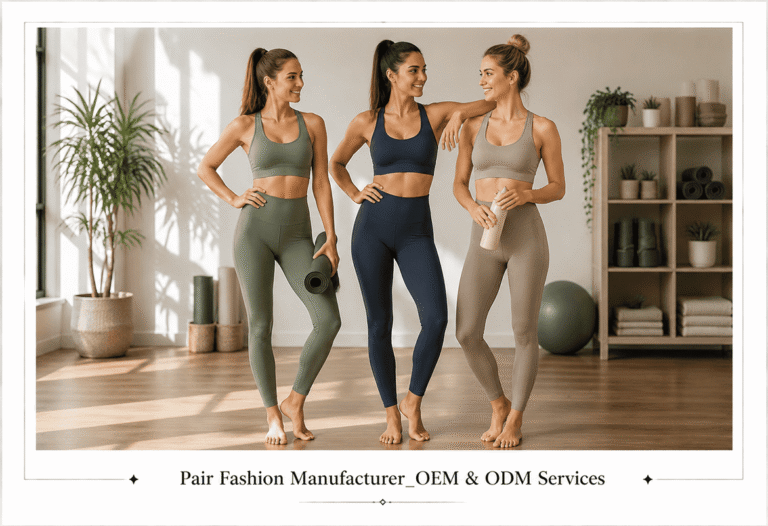
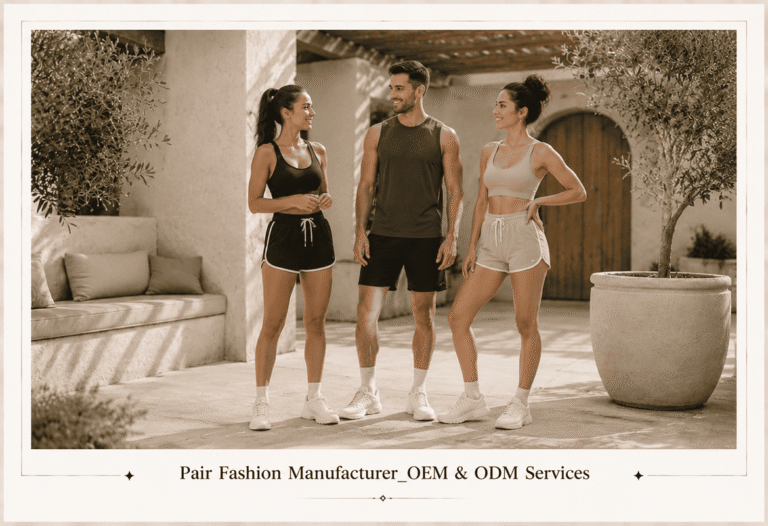
OEM/ODM Sportswear Manufacturer | 3-Day Sampling | Low MOQ | 50K Monthly Capacity | ISO9001 & BSCI Certified

Top Plus Size Activewear Sets Wholesale Manufacturers in China: Complete Supplier Comparison Guide
China is home to hundreds of activewear factories, but only a select group specialize in plus size activewear development. This guide compares the top plus size activewear sets wholesale manufacturers in China, helping brands evaluate suppliers based on capabilities, MOQ, lead times, certifications, and business fit.
Top Plus Size Activewear Sets Wholesale Manufacturers in China: Complete Supplier Comparison Guide
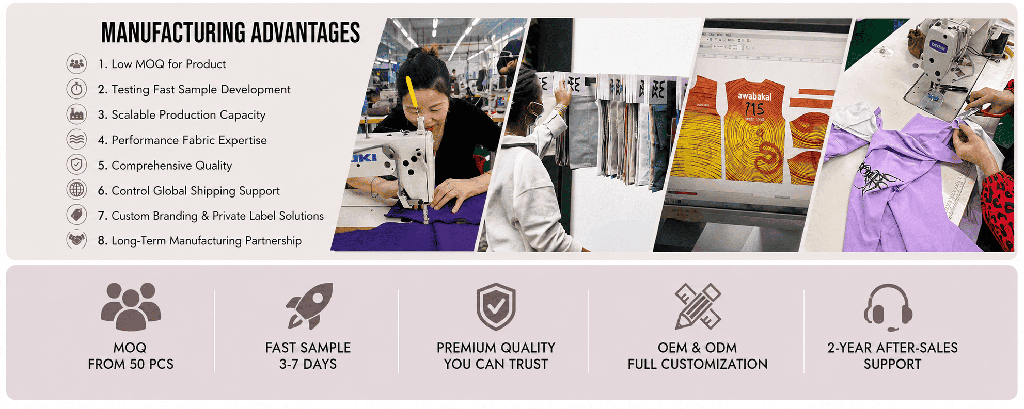
The global activewear industry has undergone a significant transformation over the past decade. What was once considered a niche segment has evolved into a highly competitive and rapidly growing market where consumers expect products designed specifically for their needs rather than modified versions of standard-size apparel.
Among the fastest-growing categories is plus size activewear. Driven by increasing demand for inclusive sizing, body-positive marketing, and performance-focused fitness apparel, brands are expanding their product offerings to serve a broader customer base. However, developing successful plus size activewear collections requires more than simply increasing garment measurements. It demands specialized expertise in fit development, fabric performance, support construction, and manufacturing consistency.
For brands planning to launch or expand plus size activewear collections, selecting the right manufacturing partner is one of the most important business decisions. A qualified supplier can help reduce development risks, improve product quality, accelerate product launches, and create a stronger foundation for long-term growth.
Quick Answer
The best plus size activewear sets wholesale manufacturers in China are suppliers that combine activewear expertise, plus size fit development, flexible production capabilities, private label services, performance fabric sourcing, and scalable manufacturing systems. Leading manufacturers differ in their strengths. Some focus on startup-friendly production with low MOQ requirements, while others specialize in premium activewear, sustainable manufacturing, or large-volume production. The right supplier depends on a brand’s product strategy, budget, and growth stage.
Top Plus Size Activewear Sets Wholesale Manufacturers in China at a Glance
Quick Summary
China is home to hundreds of activewear manufacturers, but only a small percentage have meaningful experience producing plus size activewear collections. For buyers, the challenge is not finding a factory—it is identifying a supplier capable of delivering consistent sizing, reliable quality, and long-term production support.
The manufacturers below represent some of the most frequently considered suppliers for activewear brands sourcing from China.
| Manufacturer | Location | Best For | Product Focus |
|---|---|---|---|
| Pair Fashion | Dongguan | Growing Activewear Brands | Inclusive Activewear |
| Ingor Sportswear | Guangzhou | Premium Activewear | Sustainable Activewear |
| Aika Sportswear | Dongguan | Fitness Brands | Gym Apparel |
| Arabella Clothing | Xiamen | Startup Brands | Activewear |
| Uga Wear | Guangzhou | Yoga Brands | Yoga Apparel |
| Hucai Sportswear | Guangzhou | Multi-Category Brands | Sportswear |
| Santic | Guangzhou | Technical Sportswear | Performance Apparel |
| Gym Clothes | Dongguan | Budget Buyers | Fitness Wear |
| Lezhou Garment | Guangzhou | Flexible Production | Activewear |
| Baoding Suxing | Baoding | Large Volume Programs | Apparel Manufacturing |
Best Manufacturers by Business Type
Choosing suppliers according to business model often produces better sourcing outcomes than selecting suppliers solely based on rankings.
| Business Model | Recommended Manufacturer |
|---|---|
| Startup Activewear Brand | Arabella Clothing |
| Shopify Brand | Pair Fashion |
| Amazon Seller | Pair Fashion |
| Boutique Activewear Brand | Ingor Sportswear |
| Premium Fitness Brand | Ingor Sportswear |
| Yoga Brand | Uga Wear |
| Large Retail Program | Baoding Suxing |
| Fast Sampling Project | Pair Fashion |
For example, startup brands often value flexibility, communication, and low inventory risk. Larger retailers typically prioritize production stability, lead-time management, and manufacturing capacity. Understanding these differences is essential when building a supplier shortlist.
For example, startup brands often value flexibility, communication, and low inventory risk. Larger retailers typically prioritize production stability, lead-time management, and manufacturing capacity. Understanding these differences is essential when building a supplier shortlist.
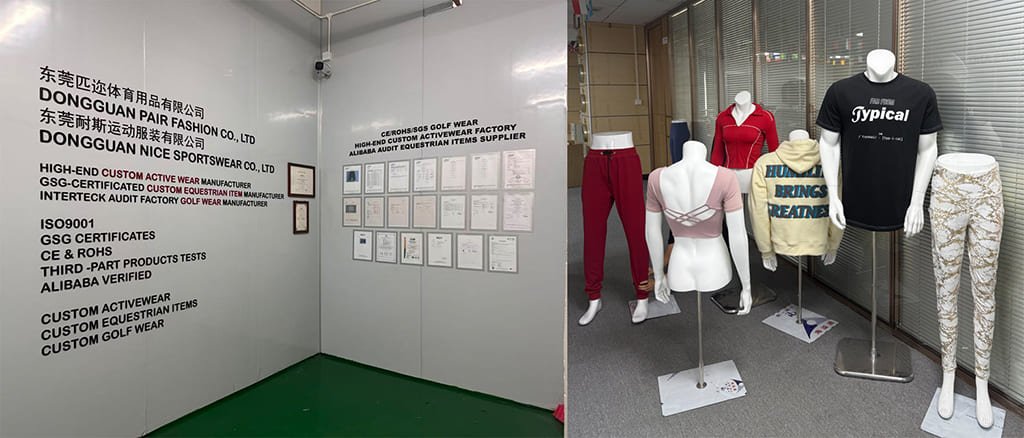
Top 10 Plus Size Activewear Sets Wholesale Manufacturers in China
Quick Summary
Not every activewear manufacturer has meaningful experience with plus size apparel. Successful plus size collections require specialized pattern development, size grading expertise, and fabric knowledge that go beyond standard sportswear manufacturing.
The following manufacturers were selected based on activewear specialization, market reputation, product development capabilities, and suitability for international buyers.
1. Pair Fashion
Headquarters
Dongguan, Guangdong
Established
2016
Product Categories
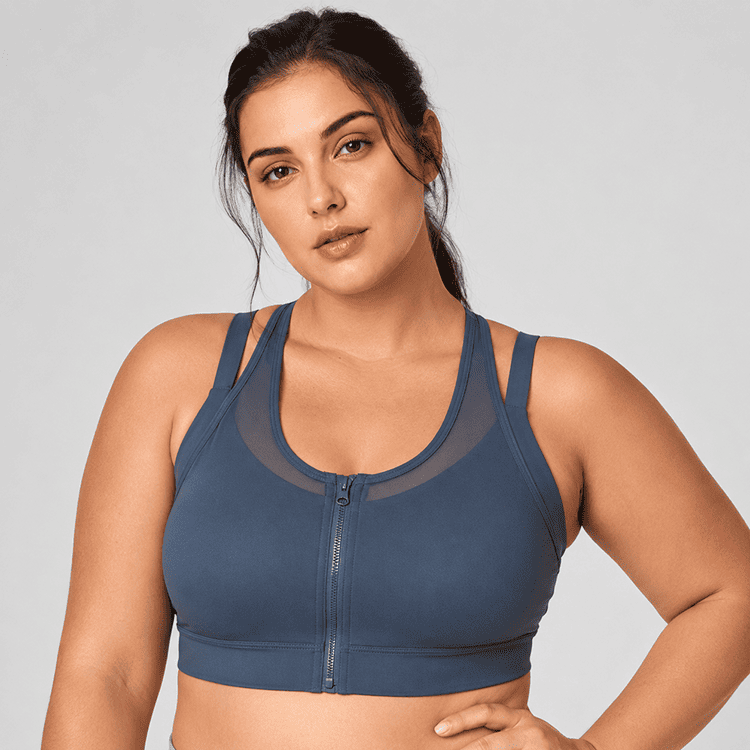
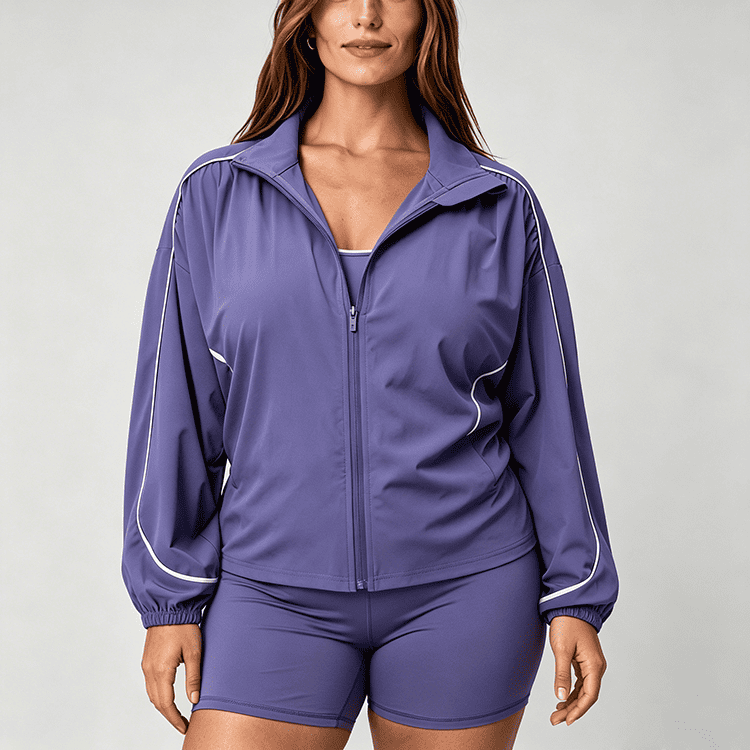
- Plus Size Activewear Sets
- Sports Bras
- Yoga Apparel
- Leggings
- Tennis Wear
- Maternity Activewear
- Muslim Sportswear
Best For
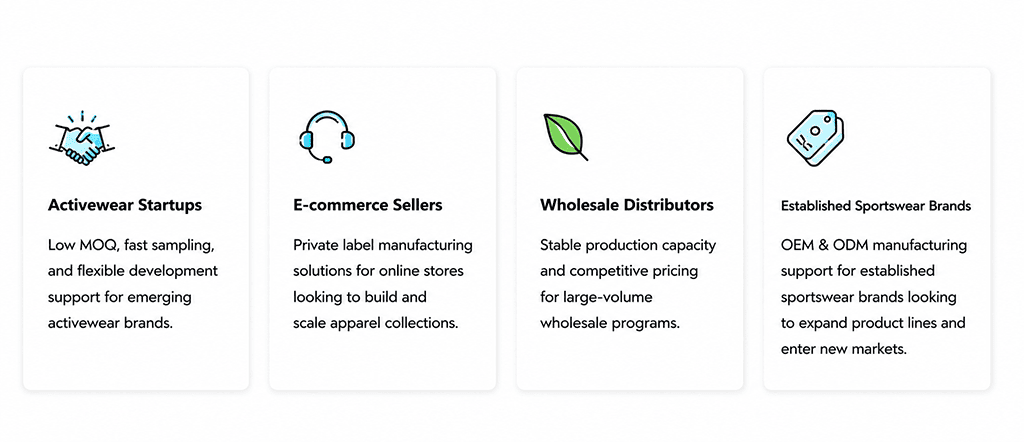
- Shopify Brands
- Amazon Sellers
- Startup Activewear Brands
- Growing Private Label Brands
Key Strengths
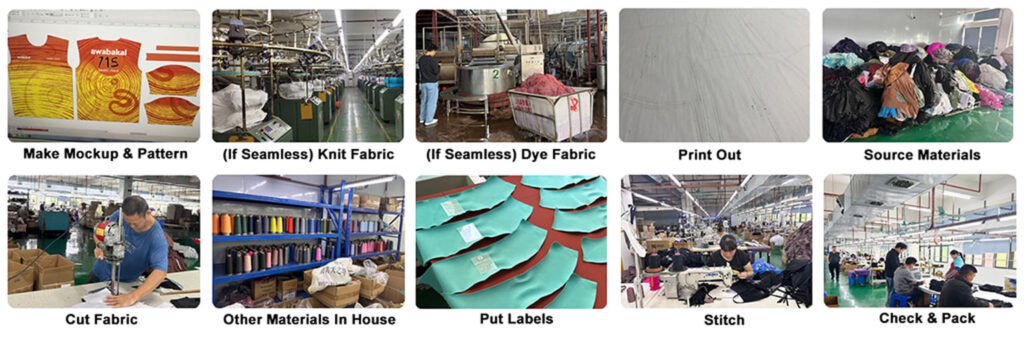
Pair Fashion has built a strong position in the inclusive activewear sector by focusing on categories that many traditional sportswear manufacturers overlook. Rather than treating plus size apparel as an extension of standard activewear, the company develops products specifically for extended size ranges.
The manufacturer supports:
- Private label development
- Performance fabric sourcing
- Inclusive sizing programs
- Low MOQ production
- Fast sample development
- Global shipping solutions
One advantage frequently highlighted by buyers is the company’s ability to support multiple niche activewear categories under a single supply chain, allowing brands to expand beyond plus size products as they grow.
Brands seeking broader product development capabilities can also explore complete Plus Size Activewear Manufacturer solutions covering leggings, sports bras, jackets, tops, and full activewear collections.
Brands comparing suppliers often evaluate multiple factories before choosing a long-term manufacturing partner. For businesses seeking custom product development, private label solutions, and scalable production, working with an experienced plus size activewear sets wholesale manufacturer can provide greater support in fit development, fabric selection, branding, and collection expansion.
2. Ingor Sportswear
Headquarters
Guangzhou, Guangdong
Product Focus
Premium and Sustainable Activewear
Ingor Sportswear is known for working with brands that prioritize sustainability, recycled fabrics, and premium positioning. The company has invested heavily in environmentally responsible manufacturing practices and appeals to businesses targeting higher-value consumer segments.
The supplier is particularly attractive for brands interested in:
- Recycled fabrics
- Sustainable production
- Premium product positioning
- International compliance standards
Its product development capabilities make it a common choice for established activewear brands rather than entry-level startups.
3. Aika Sportswear
Headquarters
Dongguan, Guangdong
Product Focus
Gym Wear and Fitness Apparel
Aika Sportswear serves a broad range of fitness and activewear brands. The company’s portfolio includes leggings, sports bras, workout tops, shorts, hoodies, and matching activewear sets.
Aika’s strength lies in its ability to support brands seeking multiple product categories from a single supplier.
Ideal for:
- Fitness apparel brands
- Multi-category activewear collections
- Established sportswear companies
4. Arabella Clothing
Headquarters
Xiamen, Fujian
Product Focus
Startup Activewear Programs
Arabella Clothing is often selected by newer brands entering the activewear market. The company is known for maintaining a relatively flexible development process and working with brands that are still validating product-market fit.
For many startups, supplier responsiveness and communication can be more valuable than large-scale production capacity.
5. Uga Wear
Headquarters
Guangzhou, Guangdong
Product Focus
Yoga Apparel and Athleisure
Uga Wear focuses on yoga-inspired activewear and lifestyle-oriented fitness apparel. The company works with brands targeting wellness-conscious consumers who prioritize comfort, movement, and versatility.
Its expertise makes it a popular choice for:
- Yoga brands
- Athleisure labels
- Wellness-focused activewear businesses
How We Ranked These Plus Size Activewear Manufacturers
Quick Summary
Most supplier rankings simply list companies without explaining why they were selected. However, choosing an activewear manufacturer based solely on popularity or pricing can lead to costly sourcing mistakes.
To make this comparison more useful, manufacturers were evaluated using factors that directly affect sourcing success.
Why We Created This Evaluation Framework
The best supplier for a startup activewear brand is not necessarily the best supplier for a multinational retailer.
For example:
- A startup may value low MOQ and fast sampling.
- An established brand may prioritize production capacity.
- A premium brand may focus on sustainability and technical fabrics.
As a result, manufacturers were evaluated using criteria designed specifically for activewear buyers.
Manufacturer Evaluation Criteria
| Criteria | Weight |
|---|---|
| Plus Size Development Expertise | 25% |
| Activewear Manufacturing Experience | 20% |
| MOQ Flexibility | 15% |
| Sample Development Speed | 10% |
| Fabric Sourcing Capability | 10% |
| Quality Control Systems | 10% |
| Private Label Support | 5% |
| International Export Experience | 5% |
Why This Matters
Many sourcing failures occur because buyers focus too heavily on pricing.
A supplier offering the lowest quote may not provide:
- Reliable sizing consistency
- Strong communication
- Product development support
- Fabric expertise
- Long-term scalability
For most activewear brands, these factors ultimately have a greater impact on profitability than small differences in manufacturing cost.
Why Global Brands Source Plus Size Activewear Sets from China
Quick Answer
China remains the preferred sourcing destination for many activewear brands because it combines advanced manufacturing expertise, extensive fabric resources, flexible production options, competitive pricing, and mature export infrastructure within a single ecosystem. For brands developing plus size activewear collections, China also offers access to suppliers with specialized experience in fit development, technical fabrics, and scalable production.
While many countries manufacture apparel, few can match the depth of China’s activewear supply chain.
China Is More Than a Manufacturing Destination
Many buyers view China primarily as a production center. In reality, China functions as a complete product development ecosystem.
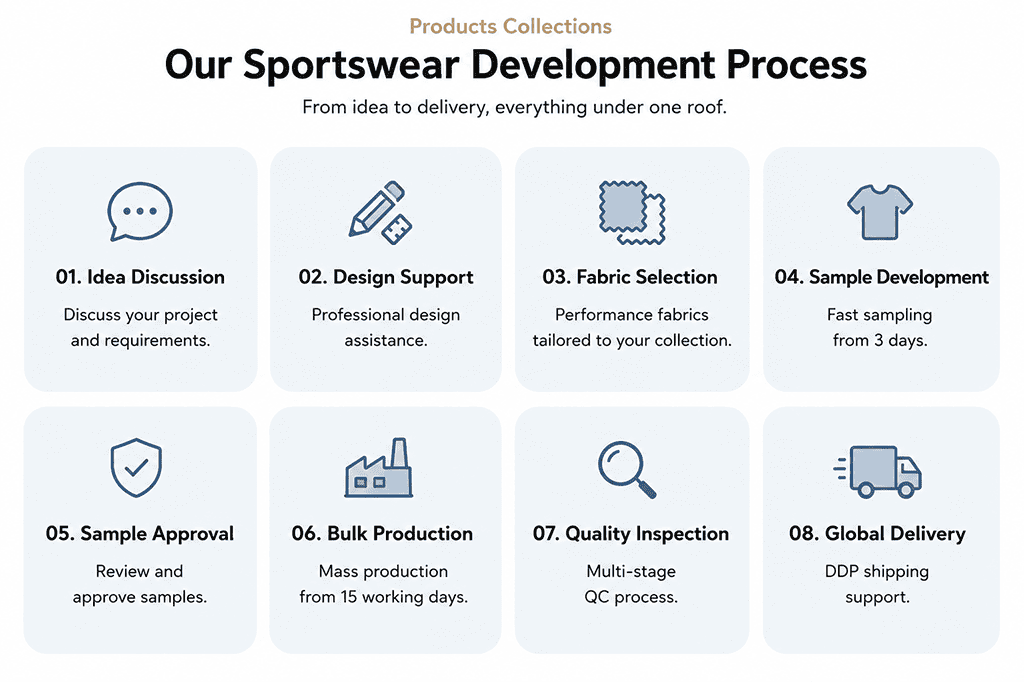
When developing a new plus size activewear collection, brands often require:
- Fabric sourcing
- Pattern development
- Size grading
- Sample making
- Printing
- Embroidery
- Label production
- Packaging
- Logistics
In many Chinese manufacturing regions, these services can be sourced within a highly connected supply network.
This concentration helps reduce development timelines and improve communication between different stages of production.
Why Activewear Brands Continue to Choose China
Over the past twenty years, China has built one of the world’s strongest activewear manufacturing infrastructures.
Key advantages include:
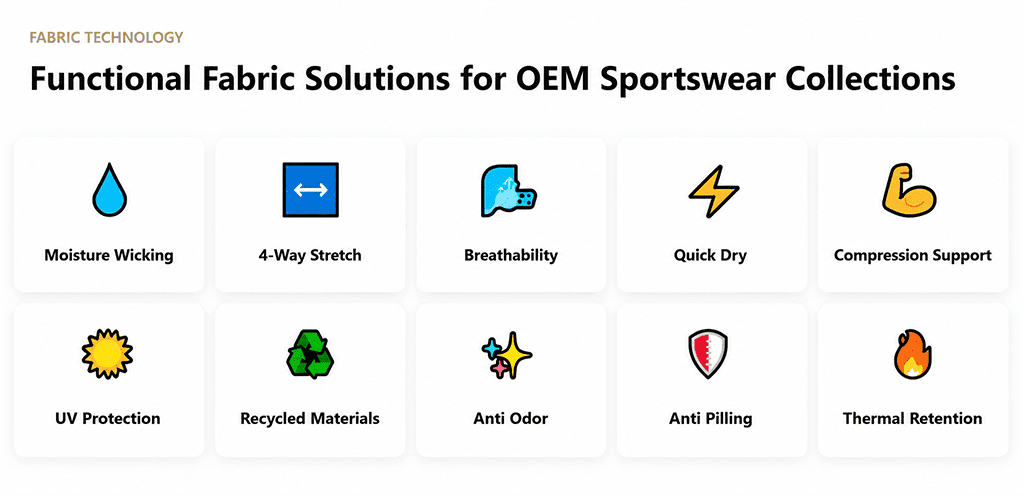
Extensive Fabric Resources
Chinese suppliers can access:
- Nylon-Spandex Fabrics
- Polyester-Spandex Fabrics
- Seamless Knitted Fabrics
- Recycled Performance Fabrics
- Compression Fabrics
- Brushed Yoga Fabrics
- Moisture-Wicking Materials
For activewear brands, fabric selection often determines product quality more than sewing itself.
Many international brands increasingly request Global Recycled Standard (GRS) certified materials as part of their sustainability and supply chain transparency initiatives.
Faster Product Development
Because fabric mills, trim suppliers, printers, and manufacturers operate within integrated supply chains, development cycles can often move faster than in less mature manufacturing regions.
This becomes particularly important when:
- Launching seasonal collections
- Testing new products
- Responding to market trends
- Expanding into new categories
Strong Private Label Capability
Many global brands sourcing from China are not purchasing stock products.
Instead, they are developing:
- Custom activewear collections
- Private label products
- Exclusive colorways
- Branded packaging
- Proprietary size ranges
This level of customization is often easier to achieve within China’s established OEM and ODM manufacturing environment.
China’s Major Activewear Manufacturing Regions
Different regions specialize in different aspects of apparel production.
| Region | Primary Strength |
|---|---|
| Dongguan | OEM Activewear Manufacturing |
| Guangzhou | Sportswear Development |
| Xiamen | Export Apparel Production |
| Zhejiang | Fabric Manufacturing |
| Fujian | Technical Sportswear |
Understanding these regional strengths can help brands identify suppliers that align with their product goals.
Why Plus Size Activewear Requires Specialized Manufacturing
Not every activewear factory is equally equipped to develop plus size products.
Successful plus size activewear manufacturing often requires:
- Inclusive size development
- Fit testing across multiple sizes
- Compression balancing
- Support structure optimization
- Fabric recovery validation
Factories with dedicated experience in these areas are generally better positioned to help brands create products that deliver consistent customer experiences.
China vs Vietnam vs Turkey vs India: Which Country Is Better for Activewear Manufacturing?
Quick Answer
China, Vietnam, Turkey, and India each offer unique advantages. However, for brands focused on plus size activewear sets, private label development, and flexible production, China generally provides the strongest overall combination of manufacturing expertise, fabric resources, supplier availability, and scalability.
The best sourcing destination depends on business priorities rather than geography alone.
Comparing the World’s Leading Apparel Manufacturing Regions
Many sourcing discussions focus heavily on labor costs.
In reality, successful sourcing decisions involve a broader set of factors:
- Product complexity
- Fabric availability
- Development support
- Lead times
- MOQ flexibility
- Quality consistency
- Logistics
The lowest manufacturing cost is not always the lowest overall sourcing cost.
Country Comparison Overview
| Factor | China | Vietnam | Turkey | India |
|---|---|---|---|---|
| Activewear Expertise | Excellent | Good | Good | Medium |
| Fabric Supply | Excellent | Medium | Good | Good |
| MOQ Flexibility | Excellent | Medium | Medium | Good |
| Sample Development Speed | Excellent | Good | Good | Medium |
| Private Label Support | Excellent | Good | Medium | Medium |
| Production Capacity | Excellent | Excellent | Medium | Good |
| Supplier Availability | Excellent | Medium | Medium | Good |
| Export Experience | Excellent | Good | Good | Good |
China
Best For
- Activewear brands
- Private label collections
- Startup brands
- Growth-stage brands
- Product development projects
China offers the most complete activewear manufacturing ecosystem among the four countries.
Its advantages include:
- Large supplier base
- Advanced fabric industry
- Flexible MOQ options
- Strong OEM capabilities
- Fast development cycles
For brands launching new activewear collections, these factors often outweigh purely labor-cost considerations.
Vietnam
Best For
- Large production runs
- Established apparel programs
Vietnam has become a major apparel manufacturing destination due to its strong production capabilities and favorable trade agreements.
However, activewear brands may find:
- Fewer supplier options
- Less fabric availability
- Higher development limitations
compared with China.
Vietnam often performs best once products have already been validated and require large-scale production.
Turkey
Best For
- European brands
- Fast delivery into Europe
Turkey’s primary advantage is geographic proximity to European markets.
Benefits include:
- Shorter shipping times
- Easier communication for some European buyers
- Strong textile heritage
However, sourcing costs are frequently higher than those found in China.
India
Best For
- Cotton-based products
- Certain textile categories
India has a well-established textile industry and remains a strong sourcing option for specific apparel categories.
However, when comparing technical activewear production, buyers often find fewer specialized suppliers than those available in China.
Which Country Is Best for Startup Activewear Brands?
For many startups, China remains the most practical choice because it offers:
Lower Development Barriers
Startups often require:
- Lower MOQ
- Faster sampling
- Product development guidance
Many Chinese suppliers have adapted their business models to support these needs.
Greater Supplier Choice
China’s activewear industry includes hundreds of manufacturers serving different market segments.
This allows buyers to compare:
- Pricing
- Expertise
- Lead times
- Product capabilities
before making a sourcing decision.
Easier Product Expansion
A startup that begins with:
- Plus Size Leggings
- Sports Bras
- Workout Sets
can often expand into:
- Tennis Wear
- Maternity Activewear
- Athleisure
- Lounge Wear
using the same supply chain network.
Factory vs Trading Company: Which Is Better for Activewear Brands?
Quick Answer
Both factories and trading companies can be valuable sourcing partners. The right choice depends on the complexity of your products, the level of support you need, and your long-term sourcing strategy. For brands developing technical activewear products, direct factory relationships often provide greater visibility into product development and production processes.
Understanding the Difference
A factory owns or operates manufacturing facilities.
A trading company acts as an intermediary between buyers and manufacturers.
Although both can supply products, their business models are very different.
| Category | Factory | Trading Company |
|---|---|---|
| Product Development | Direct | Indirect |
| Production Control | Direct | Indirect |
| Factory Visibility | High | Medium |
| Supplier Flexibility | Medium | High |
| Multi-Category Sourcing | Medium | Excellent |
| Communication Layers | Fewer | More |
When a Factory May Be the Better Choice
Factories are often preferred when:
- Products require extensive customization
- Fit development is important
- Long-term product consistency is critical
- Repeat orders are expected
For plus size activewear collections, direct communication with technical teams can simplify development and improve accuracy.
When a Trading Company May Be the Better Choice
Trading companies can provide advantages when buyers need:
- Multiple product categories
- Consolidated sourcing
- Smaller combined orders
- Simplified supplier management
For some buyers, convenience may outweigh the benefits of direct factory relationships.
Which Option Is Better for Private Label Brands?
Private label brands typically require:
- Sample revisions
- Fabric discussions
- Branding customization
- Product optimization
These activities often involve frequent communication.
As a result, many growing activewear brands eventually establish direct relationships with manufacturers once product volumes increase.
Many growing brands eventually transition toward Private Label Plus Size Activewear Collections once product demand becomes more predictable and long-term product differentiation becomes a priority.
The Most Important Question
Rather than asking:
“Factory or Trading Company?”
buyers should ask:
“Which sourcing model best supports my business goals?”
The answer will vary depending on:
- Brand size
- Product complexity
- Budget
- Growth strategy
- Internal sourcing resources
Successful sourcing is rarely determined by supplier type alone. It is determined by how effectively the supplier’s capabilities align with the needs of the business.
What Questions Should You Ask Before Choosing a Manufacturer?
Quick Answer
Most sourcing failures occur long before production begins. They happen when buyers select suppliers without properly evaluating their capabilities, communication processes, product development experience, and quality management systems. Asking the right questions early can significantly reduce sourcing risk and improve long-term supplier relationships.
A strong supplier should be able to answer technical, operational, and commercial questions clearly and confidently.
Product Development Questions
Before requesting quotations, buyers should understand whether a supplier has genuine experience developing plus size activewear products.
Questions to ask:
- Have you produced plus size activewear sets before?
- What size range can you support?
- Do you have experience developing inclusive sizing programs?
- Can you customize size charts?
- How do you handle fit revisions?
Many sourcing issues originate from poor fit development rather than manufacturing quality.
Fabric & Material Questions
Fabric performance has a direct impact on customer satisfaction.
Questions to ask:
- Which fabrics do you recommend for plus size activewear?
- Can you provide fabric testing reports?
- Do you offer recycled fabrics?
- What stretch and recovery standards do you follow?
- How do you maintain fabric consistency between production runs?
Understanding fabric capabilities often reveals how experienced a supplier truly is.
Sampling Questions
The sampling process often predicts how future cooperation will unfold.
Questions to ask:
- What is your sample lead time?
- How many revisions are included?
- Can you provide pre-production samples?
- Who communicates during development?
- How do you handle sample adjustments?
Suppliers that communicate effectively during sampling often perform better during production.
Production Questions
Many buyers focus on MOQ while overlooking production systems.
Questions to ask:
- What is your monthly capacity?
- How do you manage production schedules?
- What happens during peak season?
- Can you support repeat orders?
- How do you handle urgent projects?
Reliable production systems become increasingly important as brands grow.
Logistics Questions
Shipping capability can affect profitability as much as manufacturing cost.
Questions to ask:
- Which shipping methods are available?
- Do you support DDP shipping?
- How do you handle customs documentation?
- What is your average delivery timeline?
- How are shipping costs calculated?
A supplier’s logistics experience often becomes critical when serving international customers.

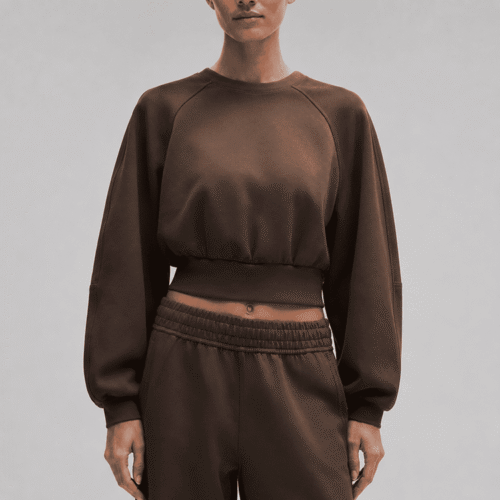
Custom Women’s Cropped Crewneck Sweatshirt Athleisure Pullover OEM ODM
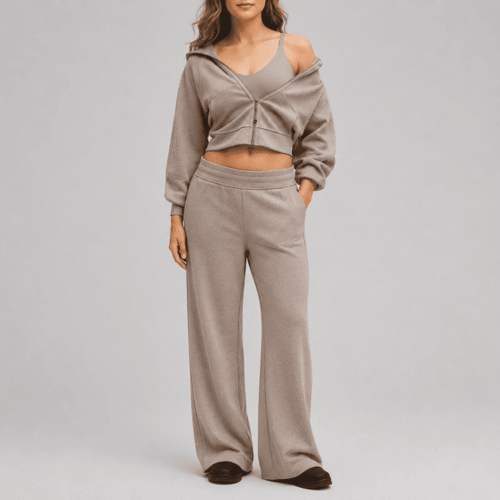
Custom Women’s Cropped Hoodie Loungewear Set OEM ODM Wide Leg Lounge Pants
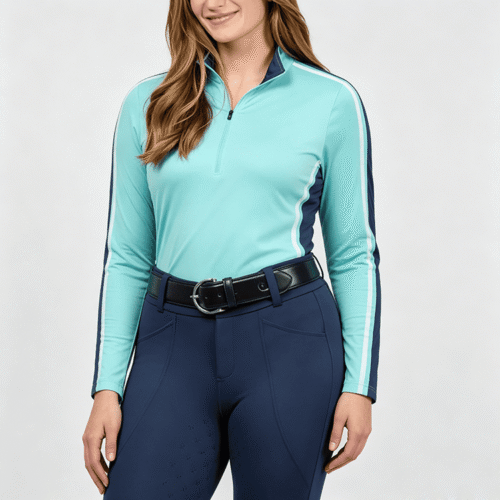
Custom Women’s Equestrian Base Layer Quarter Zip Riding Shirt OEM ODM
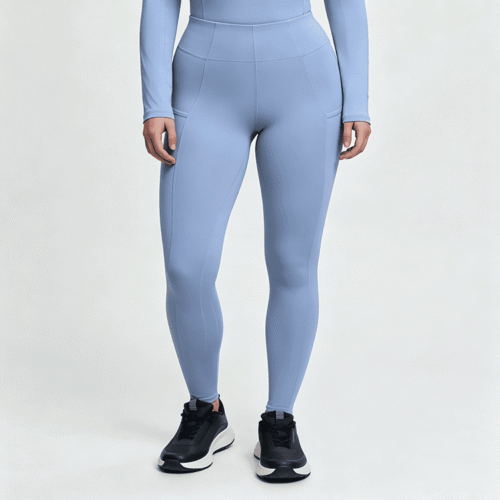
Custom Women’s Equestrian Riding Tights High Waist Performance Leggings OEM ODM
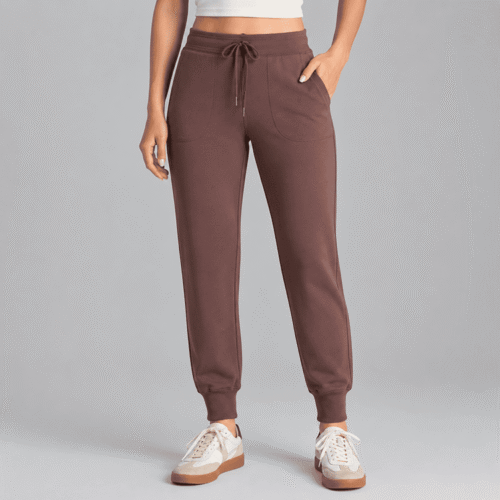
Custom Women’s Fleece Jogger Pants Athleisure Sweatpants OEM ODM
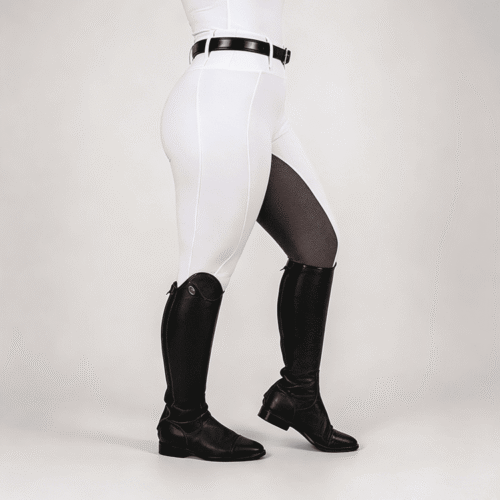
Custom Women’s Full Seat Equestrian Breeches Silicone Grip Riding Pants OEM ODM
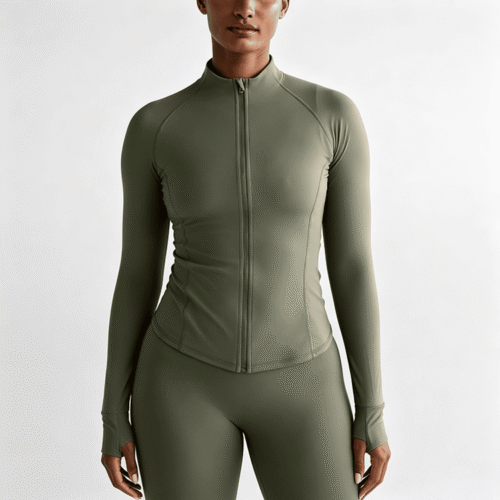
Custom Women’s Full Zip Yoga Jacket Performance Activewear OEM ODM
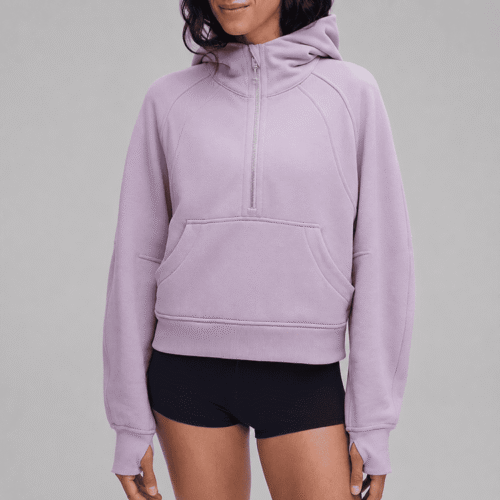
Custom Women’s Half Zip Fleece Hoodie Athleisure Pullover OEM ODM
7 Red Flags to Avoid When Selecting a Plus Size Activewear Manufacturer
Quick Answer
Not every factory that claims to manufacture activewear has meaningful experience in plus size product development. Identifying warning signs early can help buyers avoid costly delays, inconsistent quality, and long-term sourcing frustrations.
The goal is not to find a perfect supplier. The goal is to avoid suppliers that create unnecessary risk.
Red Flag #1: No Proven Plus Size Experience
Many suppliers can manufacture larger garments.
Far fewer understand:
- Extended size grading
- Fit balancing
- Compression management
- Movement requirements
If a supplier cannot provide relevant examples, buyers should proceed cautiously.
Red Flag #2: Prices That Seem Too Good to Be True
Extremely low pricing often raises important questions:
- What fabric is being used?
- How is quality being controlled?
- What production standards are being followed?
The lowest quote frequently becomes the most expensive option when quality problems arise.
Red Flag #3: Vague MOQ Policies
Professional suppliers should clearly explain:
- Minimum order quantities
- Color limitations
- Size breakdown requirements
Unclear answers often indicate weak operational processes.
Red Flag #4: Poor Communication During Sampling
Sampling is usually the easiest stage of a project.
If communication is slow or confusing during sampling, it rarely improves during bulk production.
Red Flag #5: No Documented Quality Process
Suppliers should be able to explain:
- Fabric inspections
- Measurement checks
- Production inspections
- Packaging inspections
Quality should be systematic rather than reactive.
Red Flag #6: No Reorder Strategy
Most successful activewear brands depend on repeat business.
Manufacturers should have clear procedures for:
- Reorders
- Fabric continuity
- Color consistency
- Production planning
Red Flag #7: Limited Export Experience
International buyers benefit from suppliers that understand:
- Export regulations
- Shipping requirements
- Compliance standards
- Customs procedures
Experience often reduces delays and unexpected costs.
What Makes Plus Size Activewear Manufacturing More Challenging Than Standard Activewear?
Quick Answer
Many people assume plus size activewear is simply standard activewear produced in larger sizes. In reality, successful plus size product development requires different approaches to pattern engineering, support construction, fabric selection, and fit validation. Brands that overlook these factors often experience higher return rates and lower customer satisfaction.
Why Standard Size Grading Often Fails
Traditional grading enlarges measurements proportionally.
However, body proportions do not increase proportionally.
Key areas often require independent adjustments:
- Waist
- Hips
- Thighs
- Bust
- Armholes
- Rise measurements
This is one reason why many brands struggle when expanding into inclusive sizing.
Fabric Selection Becomes More Important
Plus size activewear places greater demands on fabric performance.
Consumers expect:
- Squat-proof coverage
- Compression support
- Stretch recovery
- Moisture management
- Durability
Fabrics that perform well in smaller sizes may behave differently in extended sizes.
Fit Validation Requires More Testing
Brands developing plus size collections often conduct additional fit evaluations.
Testing may include:
- Movement testing
- Compression testing
- Support evaluation
- Size-to-size consistency reviews
These steps help improve customer satisfaction and reduce returns.
Why This Matters for Activewear Brands
Manufacturers with genuine plus size expertise are often better equipped to:
- Improve fit consistency
- Reduce product returns
- Enhance customer loyalty
- Support long-term growth
As inclusive sizing becomes increasingly important, specialized development capabilities are becoming a significant competitive advantage.
Best Plus Size Activewear Manufacturers by Business Type
Quick Answer
Different manufacturers excel in different areas. The best supplier for one brand may be the wrong choice for another. Evaluating manufacturers according to business model often produces better sourcing outcomes than relying solely on rankings.
Best for Startup Brands
Recommended
Arabella Clothing
Why:
- Flexible development process
- Startup-friendly approach
- Lower barriers to entry
Best for Shopify Brands
Recommended
Pair Fashion
Why:
- Low MOQ flexibility
- Fast sample development
- Broad activewear category coverage
Best for Amazon Sellers
Recommended
Pair Fashion
Why:
- Product development support
- Scalable production
- Private label services
Best for Premium Activewear Brands
Recommended
Ingor Sportswear
Why:
- Sustainable materials
- Premium positioning
- Advanced product development
Best for Yoga Brands
Recommended
Uga Wear
Why:
- Yoga-specific expertise
- Athleisure product focus
Best for Large Retail Programs
Recommended
Baoding Suxing
Why:
- Large production capacity
- Stable manufacturing systems
FAQ About Plus Size Activewear Manufacturers in China
Who Is the Best Plus Size Activewear Manufacturer in China?
There is no universal answer. The best manufacturer depends on your product category, order volume, development requirements, and business goals. Some suppliers are better suited for startups, while others specialize in premium collections or large-scale production.
How Many Manufacturers Should I Contact Before Making a Decision?
Most sourcing professionals recommend comparing at least three to five suppliers before selecting a manufacturing partner. This provides a broader perspective on pricing, communication, product expertise, and production capabilities.
Should I Request Samples from Multiple Suppliers?
Yes. Comparing samples allows buyers to evaluate:
- Fabric quality
- Construction quality
- Fit consistency
- Communication efficiency
Many experienced buyers consider sampling one of the most important stages of supplier selection.
Buyers evaluating custom product development options may also benefit from reviewing how a dedicated Plus Size Activewear Sets Wholesale Manufacturer supports sampling, fit refinement, and private label collection development.
How Do Buyers Compare Quotations Fairly?
Price comparisons should include:
- Fabric specifications
- Branding requirements
- Packaging
- Shipping terms
- MOQ structures
The lowest quote is not always the best value.
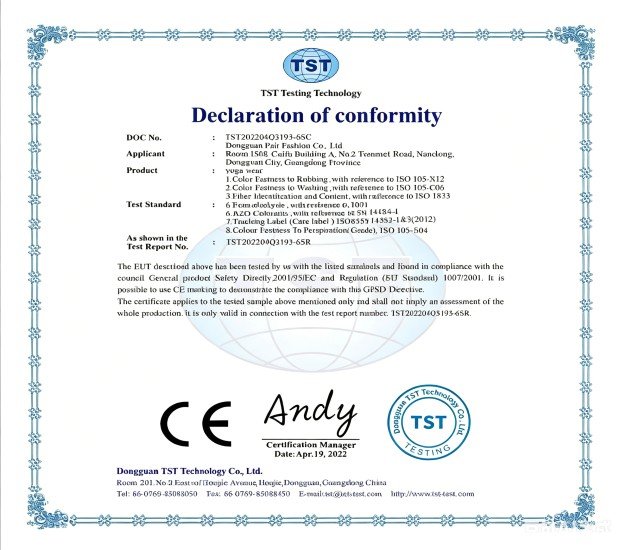
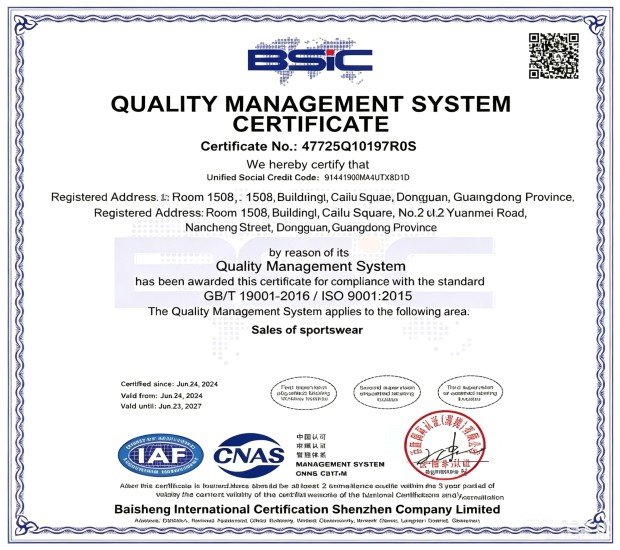
What Certifications Matter Most?
Certification requirements vary by market, but commonly requested standards include:
- ISO 9001
- BSCI
- GRS
- OEKO-TEX
- WRAP
- SEDEX
Many activewear brands also prioritize OEKO-TEX® STANDARD 100 certification when evaluating textile safety and material compliance requirements.
Brands should evaluate certifications based on customer expectations and compliance requirements.
How Often Should Brands Reevaluate Suppliers?
Even successful supplier relationships should be reviewed periodically.
Evaluation areas may include:
- Quality consistency
- Delivery performance
- Communication
- Pricing competitiveness
- Product development capability
Regular reviews help maintain sourcing efficiency as business needs evolve.
Conclusion
The growing demand for inclusive activewear has created significant opportunities for brands willing to invest in well-developed plus size collections. However, long-term success depends heavily on selecting the right manufacturing partner.
China continues to offer one of the world’s strongest activewear sourcing ecosystems, combining extensive fabric resources, specialized manufacturing expertise, mature supply chains, and flexible production capabilities. These advantages make it a preferred destination for brands ranging from first-time entrepreneurs to established international retailers.
The manufacturers featured in this guide each serve different market segments and business models. Some are better suited for startups seeking low-risk product launches, while others excel at premium activewear development or large-scale production programs.
Rather than focusing solely on price, buyers should evaluate suppliers based on their ability to support product development, maintain quality consistency, communicate effectively, and scale alongside the growth of the brand.
The most successful sourcing decisions are rarely based on finding the cheapest supplier. They are based on finding the supplier whose capabilities align most closely with the goals of the business.
Brands that invest time in comparing manufacturers, verifying capabilities, requesting samples, and building strong supplier relationships are often better positioned to develop products that stand out in the increasingly competitive plus size activewear market.