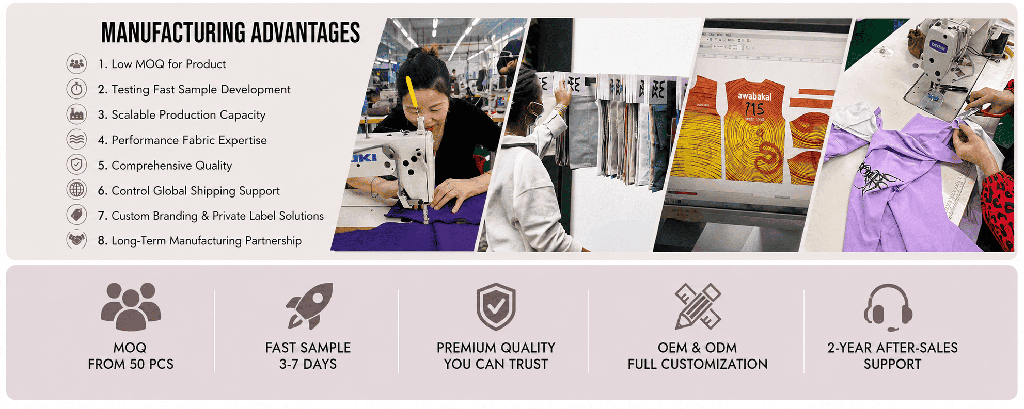
OEM/ODM Sportswear Manufacturer | 3-Day Sampling | Low MOQ | 50K Monthly Capacity | ISO9001 & BSCI Certified

Top Plus Size Activewear Vendors in China: Best Supplier Comparison Guide for Global Brands
Explore the top plus size activewear vendors in China. Compare leading suppliers, sourcing strengths, inclusive sizing expertise, and supplier evaluation criteria to find the right manufacturing partner for your activewear brand.
Top Plus Size Activewear Vendors in China: Best Supplier Comparison Guide for Global Brands
The global activewear industry is no longer built around standard sizing. As consumer expectations evolve, inclusive sizing has become a strategic growth opportunity rather than a niche market. Brands across North America, Europe, Australia, and the Middle East are expanding their collections to serve a wider range of body types, creating strong demand for suppliers with genuine expertise in plus size activewear.
However, finding the right supplier is becoming increasingly difficult. Hundreds of factories claim to manufacture plus size activewear, yet many simply extend standard patterns into larger sizes without addressing the unique fit, comfort, and performance requirements of plus size consumers. The result is often inconsistent sizing, poor garment performance, and higher product return rates.
China remains one of the world’s most important sourcing destinations for brands evaluating plus size activewear suppliers. The country’s mature apparel ecosystem, extensive activewear manufacturing experience, and diverse supplier network provide buyers with a wide range of sourcing options. The most suitable vendor is not necessarily the largest or cheapest supplier, but the one whose expertise, category focus, communication standards, and long-term capabilities align with a brand’s growth strategy. Understanding how suppliers differ is essential to making informed sourcing decisions.
This guide compares leading plus size activewear vendors in China, examines what separates top-performing suppliers from average manufacturers, and provides a practical framework for evaluating sourcing partners in today’s increasingly competitive activewear market.
Top 10 Plus Size Activewear Vendors in China at a Glance
China’s activewear manufacturing industry includes thousands of factories, but only a relatively small number have meaningful experience serving the plus size market. The most successful vendors are often distinguished by their understanding of inclusive sizing, category specialization, and ability to support growing international brands.
The suppliers featured in this guide include specialized activewear manufacturers, established sportswear factories, and experienced companies that support international apparel brands across diverse markets.
| Company | Location | Founded | Market Focus | Best For |
|---|---|---|---|---|
| Pair Fashion | Dongguan | 2016 | Inclusive Activewear | Growing Brands |
| Ingor Sports | Guangzhou | 2009 | Sustainable Activewear | Premium Brands |
| Sansansports | Xiamen | 2013 | Sportswear Manufacturing | General Activewear |
| ATU Activewear | Guangzhou | 2015 | Fitness Apparel | Emerging Brands |
| FCGymwear | Guangzhou | 2014 | Gym Wear | Fitness Brands |
| Aika Sportswear | Dongguan | 2008 | Performance Sportswear | Established Brands |
| Berunwear | Guangzhou | 2007 | Yoga Apparel | Yoga Brands |
| Hucai Sportswear | Guangzhou | 1998 | Large-Scale Production | High Volume Buyers |
| BCI Sportswear | Dongguan | 2012 | OEM Sportswear | Mid-Sized Brands |
| Leeline Sports | Shenzhen | 2010 | ODM Apparel | Product Expansion |
Why This List Matters
Not all plus size activewear vendors serve the same type of buyer.
Some suppliers are optimized for:
- Emerging activewear brands
- DTC startups
- Boutique labels
- Premium collections
Others focus primarily on:
- High-volume production
- Established retail programs
- Long-term replenishment models
Understanding these differences can significantly improve supplier selection outcomes.
Which Vendor Fits Your Business Stage?
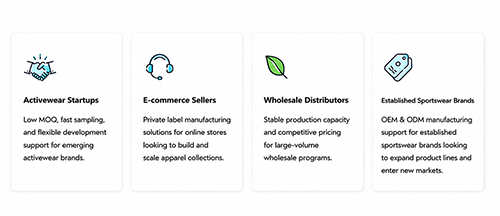
Startup Brands
Most startup brands benefit from suppliers that understand product development challenges and can support gradual growth.
Important considerations include:
- Communication quality
- Flexibility
- Category expertise
- Growth potential
Growing Brands
Brands entering expansion phases often require suppliers capable of supporting multiple product categories while maintaining quality consistency.
Key priorities include:
- Stable production systems
- Scalable capacity
- Product diversification support
- Supply chain resilience
Established Brands
Larger brands typically focus on:
- Compliance
- Operational consistency
- Long-term reliability
- Strategic sourcing partnerships
The supplier that works best for a startup may not be the ideal partner for a mature international brand.
Detailed Reviews of the Best Plus Size Activewear Vendors in China
Relying only on marketing collateral to choose a manufacturer can lead to misjudgment. Supplier websites tend to showcase their advantages yet offer little insight into real-world sourcing concerns. Instead of trusting promotional content, buyers need to assess vendors based on whether they align with their business requirements.
The following reviews focus on supplier positioning, category strengths, and the types of brands most likely to benefit from each partnership.
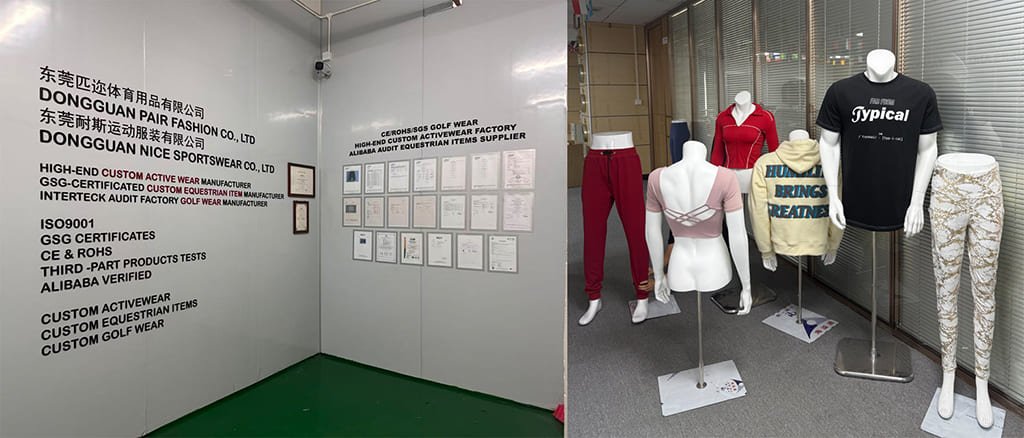
1. Pair Fashion
Location: Dongguan, Guangdong, China
Founded: 2016
Market Position
Pair Fashion focuses on performance-oriented activewear manufacturing with particular strength in inclusive sizing categories. The company is recognized for its experience across plus size activewear, maternity activewear, modest sportswear, tennis apparel, and technical fitness wear.
Core Product Focus
- Plus Size Activewear
- Inclusive Sportswear
- Yoga & Fitness Apparel
- Tennis Wear
- Maternity Activewear
- Modest Activewear
Ideal Buyers
- Emerging activewear brands
- Inclusive sizing brands
- Direct-to-consumer sportswear companies
- Niche category specialists
- Growing international labels
Competitive Advantages
- Broad experience across multiple inclusive apparel segments
- Diversified activewear portfolio
- Strong understanding of niche activewear markets
- Experience supporting growing international brands
- Activewear-focused manufacturing background
Potential Considerations
Brands seeking highly standardized commodity production programs may prefer suppliers focused primarily on large-volume manufacturing models.
2. Ingor Sports
Location: Guangzhou, China
Market Position
Ingor Sports has established a reputation within the sustainable activewear sector and frequently works with brands emphasizing environmental responsibility and premium positioning.
Core Product Focus
- Sustainable Activewear
- Yoga Apparel
- Fitness Collections
- Eco-Friendly Sportswear
Ideal Buyers
- Sustainability-focused brands
- Premium activewear labels
- Environmentally conscious startups
Competitive Advantages
- Strong sustainability positioning
- Experience with recycled materials
- International market exposure
Potential Considerations
Brands focused primarily on cost optimization may find other suppliers better aligned with their sourcing objectives.
3. Sansansports
Location: Xiamen, China
Market Position
Sansansports operates within the broader sportswear manufacturing sector and serves a range of international activewear clients.
Core Product Focus
- Sportswear
- Training Apparel
- Fitness Garments
- Teamwear
Ideal Buyers
- General activewear brands
- Multi-category sportswear businesses
Competitive Advantages
- Diverse product offering
- Export market experience
- Established manufacturing systems
Potential Considerations
Publicly available information provides limited insight into specialized plus size grading capabilities.
4. ATU Activewear
Location: Guangzhou, China
Market Position
ATU Activewear focuses on fitness apparel manufacturing and serves brands looking for a broad range of activewear products. The company positions itself as a supplier for businesses seeking custom sportswear and fitness collections.
Core Product Focus
Fitness Apparel
Yoga Wear
Training Sets
Sports Bras
Leggings
Gym Wear
Ideal Buyers
New activewear brands
Fitness-focused labels
Regional sportswear businesses
Competitive Advantages
Wide product range
Experience with activewear categories
Export-oriented manufacturing
Potential Considerations
While the company offers plus size products, its market positioning remains largely centered around general activewear manufacturing rather than inclusive sizing specialization.
5. FCGymwear
Location: Guangzhou, China
Market Position
FCGymwear serves fitness apparel brands across multiple international markets and focuses heavily on gym-oriented product categories.
Core Product Focus
Gym Wear
Compression Apparel
Fitness Sets
Sports Bras
Workout Leggings
Ideal Buyers
Fitness brands
Gym-focused collections
Sportswear distributors
Competitive Advantages
Strong gym apparel focus
Established manufacturing systems
Diverse sportswear offerings
Potential Considerations
Brands seeking extensive experience in inclusive sizing may wish to compare the supplier alongside vendors with stronger specialization in plus size categories.
6. Aika Sportswear
Location: Dongguan, China
Market Position
Aika Sportswear is a long-established activewear supplier known for serving international fitness and sportswear brands.
Core Product Focus
- Performance Sportswear
- Gym Apparel
- Running Wear
- Yoga Collections
Ideal Buyers
- Established brands
- Large-volume programs
- Multi-category sportswear companies
Competitive Advantages
- Industry experience
- Product diversity
- International sourcing experience
Potential Considerations
Brands focused primarily on niche inclusive categories should evaluate category-specific expertise during supplier selection.
7. Berunwear
Location: Guangzhou, China
Market Position
Berunwear has built a presence within the yoga and fitness apparel market and frequently serves brands targeting wellness-focused consumers.
Core Product Focus
- Yoga Apparel
- Fitness Wear
- Athleisure Products
- Workout Sets
Ideal Buyers
- Yoga brands
- Wellness brands
- Boutique activewear companies
Competitive Advantages
- Yoga-focused expertise
- Flexible product range
- Experience with activewear collections
Potential Considerations
Brands requiring highly technical performance garments should assess product-specific capabilities carefully.
8. Hucai Sportswear
Location: Guangzhou, China
Market Position
Hucai Sportswear is one of the more established manufacturers in China’s sportswear sector and serves a variety of international clients.
Core Product Focus
- Sportswear
- Team Apparel
- Training Wear
- Fitness Products
Ideal Buyers
- High-volume buyers
- Large sourcing programs
- Established apparel companies
Competitive Advantages
- Manufacturing scale
- Long industry history
- Broad product portfolio
Potential Considerations
Smaller brands may find more flexibility with suppliers that specialize in emerging business support.
9. BCI Sportswear
Location: Dongguan, China
Market Position
BCI Sportswear serves brands seeking OEM sportswear manufacturing across multiple product categories.
Core Product Focus
- Activewear
- Fitness Apparel
- Teamwear
- Sportswear Collections
Ideal Buyers
- Mid-sized sportswear brands
- Growing apparel companies
- Regional activewear businesses
Competitive Advantages
- Broad manufacturing capabilities
- Diverse category coverage
- Sportswear specialization
Potential Considerations
Buyers should verify experience with extended sizing programs when evaluating fit-related requirements.
10. Leeline Sports
Location: Shenzhen, China
Market Position
Leeline Sports operates within the ODM and product development space and works with brands seeking category expansion opportunities.
Core Product Focus
- Activewear
- Fitness Apparel
- Sportswear Collections
- Lifestyle Sportswear
Ideal Buyers
- Brands expanding product lines
- Businesses exploring new categories
- Emerging activewear labels
Competitive Advantages
- Product development focus
- Broad sourcing capabilities
- Flexible category support
Potential Considerations
Brands should evaluate category-specific expertise depending on their product roadmap.
China vs Vietnam vs Bangladesh vs Turkey: Which Country Is Better for Plus Size Activewear Sourcing?
When brands weigh different overseas sourcing locations, their primary concern tends to be labor expenses. Even so, profitable activewear procurement relies on many factors beyond just production prices. Details including product technical complexity, lead time, seamless communication, flexible supply chain arrangements and professional sizing know-how usually affect long-term profits more significantly than manufacturing fees.
For plus size activewear specifically, sourcing decisions become even more important because inclusive sizing requires stronger technical capabilities than standard apparel categories.
China remains the preferred sourcing destination for many activewear brands because it combines product development resources, activewear expertise, extensive fabric supply chains, and scalable production capacity within a single manufacturing ecosystem. While Vietnam, Bangladesh, and Turkey each offer specific advantages, China often provides the most balanced solution for brands seeking both quality and growth flexibility.
Cost Comparison
Cost remains a major consideration, but focusing solely on FOB pricing can be misleading.
| Country | Cost Competitiveness | Product Development | Fabric Access | Supply Chain Depth |
|---|---|---|---|---|
| China | ★★★★☆ | ★★★★★ | ★★★★★ | ★★★★★ |
| Vietnam | ★★★★☆ | ★★★★☆ | ★★★☆☆ | ★★★★☆ |
| Bangladesh | ★★★★★ | ★★☆☆☆ | ★★☆☆☆ | ★★★☆☆ |
| Turkey | ★★☆☆☆ | ★★★★☆ | ★★★★☆ | ★★★☆☆ |
Bangladesh often offers the lowest labor costs, while Turkey provides geographical advantages for European buyers. Vietnam has become a strong alternative manufacturing destination, particularly for brands seeking diversification.
However, China continues to lead in overall sourcing efficiency because development, sourcing, manufacturing, and logistics are deeply interconnected.
Product Development Capability Comparison
Activewear development requires:
- Pattern engineering
- Fabric sourcing
- Fit testing
- Performance validation
- Technical construction expertise
China’s activewear ecosystem provides brands with direct access to:
- Performance fabric mills
- Specialized garment developers
- Technical pattern makers
- Trim suppliers
- Garment testing resources
This often allows faster product iteration compared with other regions.
Size Range and Inclusive Sizing Expertise
This is where supplier differences become most significant.
Many apparel factories can manufacture larger garments.
Far fewer can consistently produce:
- Accurate extended sizing
- Balanced proportions
- Reliable fit across multiple sizes
- High-performance plus size activewear
Brands entering the plus size market should prioritize supplier expertise in fit development rather than focusing exclusively on production costs.
Which Country Fits Different Brand Strategies?
Best for Startups
China
Best for Product Development
China
Best for Lowest Production Cost
Bangladesh
Best for European Proximity
Turkey
Best for Manufacturing Diversification
Vietnam
The right choice depends on business objectives rather than country reputation alone.
Why China Has Become the Global Hub for Plus Size Activewear Manufacturing
China’s position as a leading activewear manufacturing hub has been shaped by decades of development in textile innovation, garment production, supply chain integration, and global trade. This long-term industry growth has created one of the most advanced and efficient apparel ecosystems in the world.
For brands sourcing plus size activewear, the advantages extend beyond manufacturing capacity. China’s greatest strength lies in its ability to combine product development, fabric sourcing, technical expertise, and production execution within a single integrated network.
China has become the global hub for plus size activewear manufacturing because it offers a rare combination of specialized textile resources, experienced activewear suppliers, advanced garment engineering capabilities, and scalable production systems. This allows brands to access expertise that supports both product quality and long-term growth.
How China’s Activewear Supply Chain Supports Inclusive Sizing
Many buyers underestimate the technical challenges involved in plus size activewear production.
Extended sizing introduces complexities such as:
- Different body proportions
- Increased garment stress points
- Fabric recovery requirements
- Support structure modifications
- Enhanced fit consistency demands
Suppliers operating within China’s mature activewear ecosystem often have greater access to:
- Technical pattern makers
- Activewear-focused fabric mills
- Specialized trim suppliers
- Performance testing resources
This ecosystem helps suppliers address fit and performance challenges more effectively.
Why Global Brands Continue to Source from China
Despite rising manufacturing costs, China remains highly competitive because brands increasingly evaluate total sourcing value rather than labor costs alone.
Key advantages include:
Extensive Supplier Choice
China offers thousands of activewear suppliers across different specialization levels.
Faster Product Development
Access to fabrics, trims, and development resources often reduces overall project timelines.
Strong Logistics Infrastructure
Well-developed export systems improve global shipping efficiency.
Diverse Manufacturing Capabilities
Brands can source multiple product categories within a single supply chain ecosystem.
For many businesses, these advantages outweigh modest differences in garment production costs.
What Advantages Chinese Vendors Offer Compared With Other Countries
Compared with alternative sourcing regions, Chinese suppliers often provide stronger capabilities in several areas:
| Factor | China | Vietnam | Bangladesh | Turkey |
|---|---|---|---|---|
| Supplier Diversity | Excellent | Good | Moderate | Moderate |
| Activewear Expertise | Excellent | Good | Moderate | Good |
| Fabric Availability | Excellent | Moderate | Limited | Good |
| Product Development | Excellent | Good | Moderate | Good |
| Scalability | Excellent | Good | Good | Moderate |
The result is a sourcing environment capable of supporting startups, growing brands, and established international companies alike.
How China’s Manufacturing Ecosystem Reduces Risk for Buyers
Supply chain disruptions have demonstrated the importance of resilience.
China’s manufacturing clusters provide:
- Multiple fabric sourcing options
- Alternative trim suppliers
- Backup production resources
- Strong transportation networks
This flexibility can help brands reduce risk and maintain business continuity during periods of market uncertainty.
What Makes a Great Plus Size Activewear Vendor?
Not all activewear suppliers possess the same capabilities. The strongest vendors distinguish themselves through expertise, consistency, communication, and long-term scalability rather than simply offering lower prices.
The best suppliers understand that plus size activewear requires specialized knowledge across fit development, garment engineering, and customer expectations.
Great plus size activewear vendors are defined by their ability to deliver consistent fit, reliable quality, strong communication, and scalable manufacturing support. Their value extends beyond production and contributes directly to brand growth and customer satisfaction.
Why Size Grading Expertise Matters More Than Price
One of the most common sourcing mistakes is prioritizing price over fit expertise.
Poor grading often results in:
- Higher return rates
- Customer complaints
- Inventory write-offs
- Brand reputation damage
Consumers purchasing plus size activewear expect garments to perform consistently regardless of size.
A supplier with advanced grading expertise can create significantly more value than one offering marginally lower pricing.
What Technical Skills Separate Premium Vendors From Average Suppliers?
Leading suppliers often demonstrate strength in several areas.
Pattern Engineering
Rather than simply enlarging smaller patterns, they create grading systems designed specifically for plus size consumers.
Buyers evaluating inclusive activewear manufacturing expertise should pay particular attention to size grading systems, technical fabric knowledge, and category-specific product development experience.
Fabric Selection Knowledge
They understand how stretch, compression, opacity, and recovery behave across larger size ranges.
Garment Construction
Premium suppliers optimize:
- Waistbands
- Support panels
- Seam placement
- Reinforcement zones
for better performance and comfort.
Quality Management
Consistent sizing and garment performance require robust quality systems throughout production.
How Vendors Handle Inclusive Sizing Challenges
Top suppliers generally invest in:
- Dedicated fit blocks
- Multiple fit models
- Historical sizing data
- Continuous fit refinement
These resources contribute to more accurate sizing and stronger customer experiences.
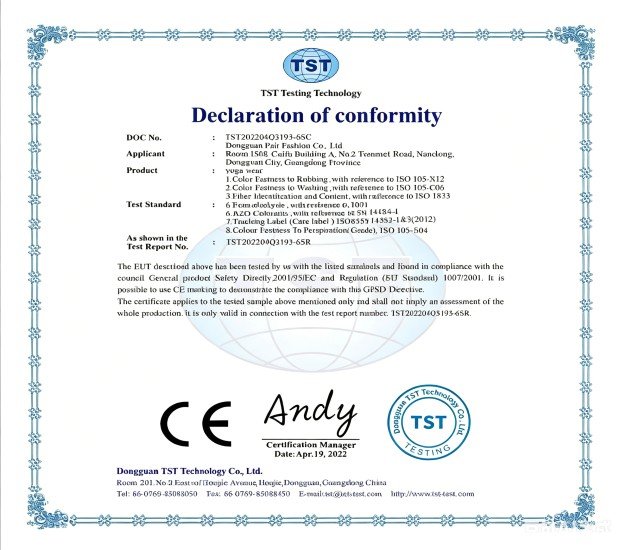
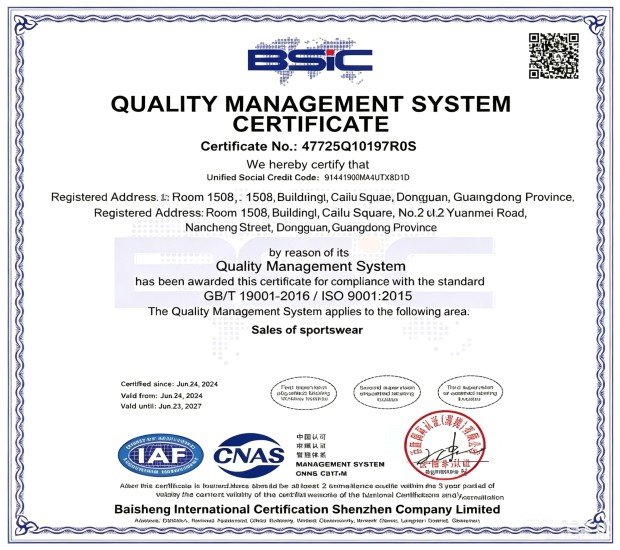
Which Certifications Should Buyers Look For?
Certifications help indicate supplier standards.
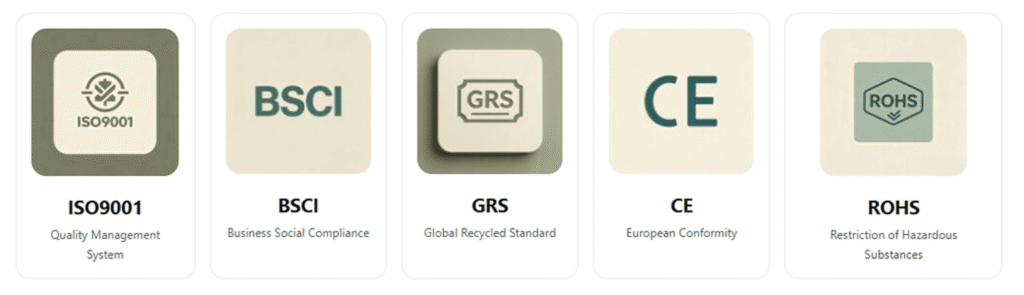
Common certifications include:
- ISO9001
- BSCI
- GRS
- OEKO-TEX
- WRAP
However, certifications should complement supplier evaluation rather than replace it.
Real-world manufacturing performance remains the most important factor.
How to Evaluate Long-Term Reliability
The best supplier relationships often last many years.
Reliable vendors typically demonstrate:
- Consistent communication
- Stable operations
- Strong problem-solving abilities
- Continuous improvement
- Transparent business practices
Long-term reliability often proves more valuable than short-term pricing advantages.
What Should Brands Compare When Evaluating Plus Size Activewear Vendors?
Many sourcing decisions fail because buyers compare suppliers using incomplete criteria.
The strongest sourcing strategies evaluate vendors across multiple dimensions rather than relying solely on pricing or product catalogs.
Size Grading Expertise
Plus size activewear requires specialized grading systems.
Questions buyers should consider include:
- Does the supplier have experience with extended sizing?
- How is grading developed?
- Are fit models used during development?
Strong grading systems contribute directly to customer satisfaction.
Inclusive Product Experience
Experience matters.
Suppliers regularly producing:
- Plus size activewear
- Maternity activewear
- Modest sportswear
- Adaptive apparel
often possess stronger knowledge of fit and performance requirements.
Brands exploring private label sourcing options should prioritize suppliers with proven experience in plus size, maternity, and other inclusive activewear categories, as category expertise often has a greater impact on long-term success than production scale alone.
Fabric Development Resources
Access to quality fabrics influences:
- Product performance
- Customer experience
- Brand positioning
Buyers should evaluate a supplier’s ability to source both standard and innovative materials.
Communication Standards
Communication quality frequently predicts project success.
Leading suppliers:
- Respond quickly
- Provide clear updates
- Identify risks early
- Offer proactive solutions
These characteristics often become critical during production.
Supply Chain Stability
A strong supply chain provides resilience.
Important factors include:
- Fabric sourcing diversity
- Backup suppliers
- Logistics capabilities
- Production flexibility
These elements help reduce sourcing risks.
Long-Term Scalability
Brands should evaluate not only current requirements but future needs as well.
Can the supplier support:
- New product categories?
- Increased production volume?
- Market expansion?
Long-term scalability often separates strategic partners from short-term vendors.
How to Compare Plus Size Activewear Vendors Before Creating a Shortlist
Supplier selection should follow a structured process.
Rather than contacting dozens of factories randomly, buyers can improve sourcing outcomes by applying a consistent evaluation framework.
Step 1: Evaluate Category Experience
Look for suppliers with direct experience in:
- Plus size activewear
- Fitness apparel
- Inclusive sizing categories
Relevant experience often reduces development risks.
Step 2: Review Market Positioning
Different suppliers serve different customer types.
Evaluate whether the supplier primarily works with:
- Startups
- Growing brands
- Large retailers
- Premium labels
Alignment often improves long-term collaboration.
Step 3: Assess Communication Quality
Communication should be evaluated from the first interaction.
Questions include:
- How quickly do they respond?
- Are answers detailed?
- Do they understand your market?
Strong communication usually indicates stronger project execution.
Step 4: Compare Supply Chain Strength
Evaluate:
- Fabric access
- Production resources
- Manufacturing flexibility
These factors directly influence operational reliability.
Step 5: Build a Vendor Scorecard
A practical scorecard may include:
| Evaluation Criteria | Weight |
|---|---|
| Category Expertise | 25% |
| Communication | 20% |
| Supply Chain Stability | 20% |
| Product Quality | 20% |
| Business Fit | 15% |
This approach helps reduce emotional decision-making and improves supplier selection accuracy.
Using a structured supplier evaluation framework for activewear brands helps buyers compare vendors objectively and reduce sourcing risks when building a long-term supply chain.
Factory vs Trading Company: Which Sourcing Model Is Better?

Many sourcing discussions simplify the decision into a factory-versus-trading-company debate. In reality, neither model is universally better. The optimal choice depends on a brand’s sourcing experience, product complexity, internal resources, and long-term growth objectives.
Understanding the strengths and limitations of each model can help brands avoid costly sourcing mistakes.
Factories provide direct manufacturing access, production transparency, and stronger technical collaboration. Trading companies may offer broader supplier networks, sourcing convenience, and project coordination. The best option depends on the buyer’s capabilities and business strategy rather than the sourcing model itself.
Key Differences Buyers Should Understand
Factories
Factories typically:
- Own production equipment
- Manage manufacturing directly
- Control production schedules
- Oversee quality systems internally
Trading Companies
Trading companies generally:
- Coordinate multiple suppliers
- Manage sourcing activities
- Consolidate vendor communication
- Facilitate project management
The distinction becomes particularly important when sourcing technically demanding products such as plus size activewear.
Pricing Advantages and Disadvantages
Factory-direct sourcing often offers:
- Greater cost transparency
- Fewer intermediary fees
- Direct technical discussions
Trading companies may provide:
- Consolidated purchasing
- Broader sourcing access
- Supplier diversification
The lowest quote does not always produce the lowest total sourcing cost.
Quality Control Considerations
Factory-direct relationships often provide better visibility into:
- Production systems
- Quality procedures
- Manufacturing resources
However, experienced trading companies sometimes employ dedicated quality teams that add additional oversight.
Execution quality ultimately matters more than organizational structure.
Which Option Is Better for Small Brands?
Small and emerging brands often benefit from suppliers that offer:
- Product knowledge
- Responsive communication
- Active problem solving
- Growth support
Whether this support comes from a factory or trading company is less important than the quality of the relationship itself.

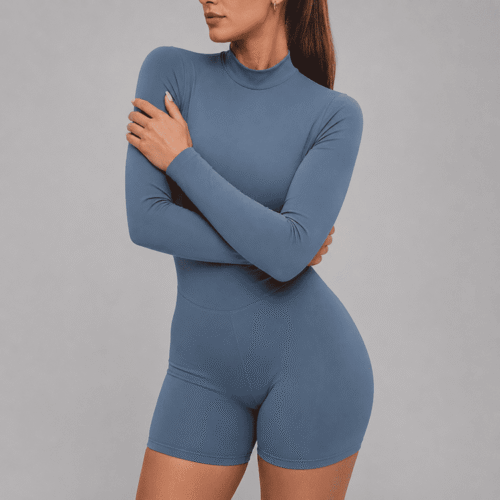
Custom Women’s Long Sleeve Yoga Jumpsuit OEM ODM Mock Neck Activewear Romper
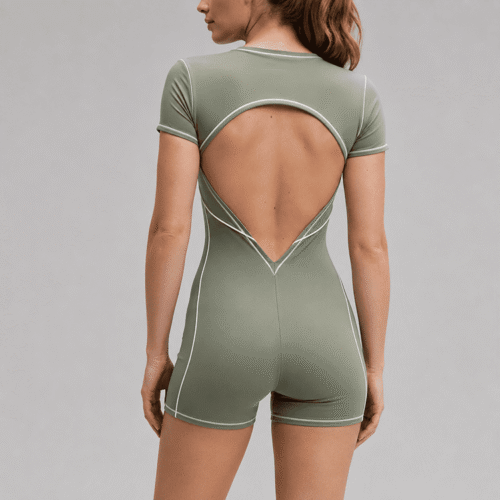
Custom Women’s Open Back Yoga Jumpsuit OEM ODM Activewear Romper
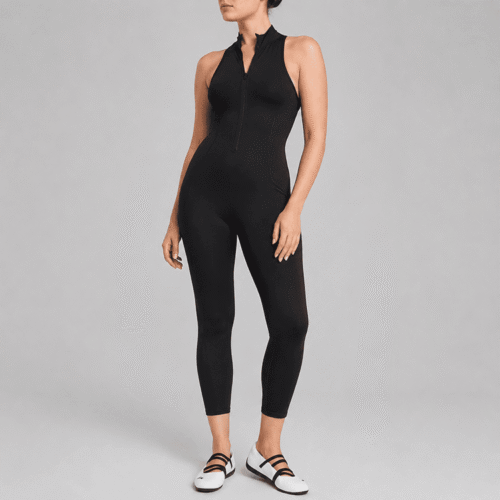
Custom Women’s Sleeveless Zip Front Yoga Jumpsuit OEM ODM Sculpting Activewear
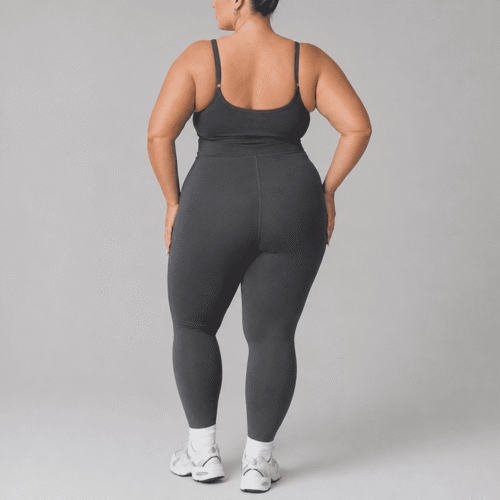
Custom Women’s Spaghetti Strap Yoga Jumpsuit OEM ODM Sculpting Activewear
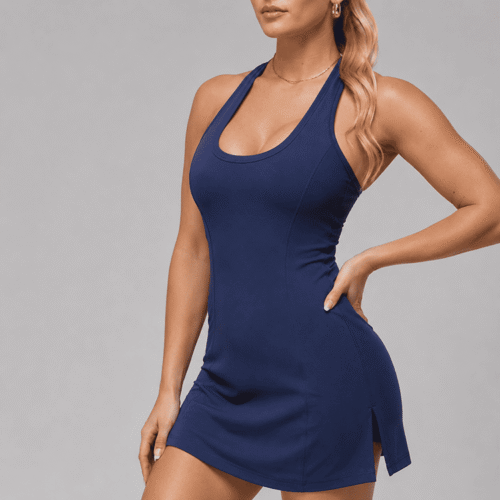
Custom Women’s Tennis Activewear Dress OEM ODM Fitness Sports Dress
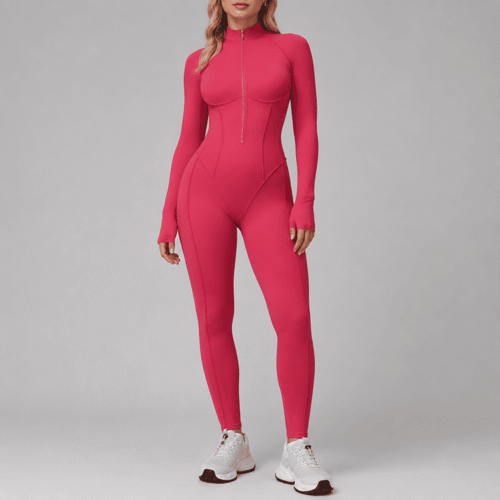
Custom Women’s Zip Front Long Sleeve Yoga Jumpsuit OEM ODM Sculpting Activewear
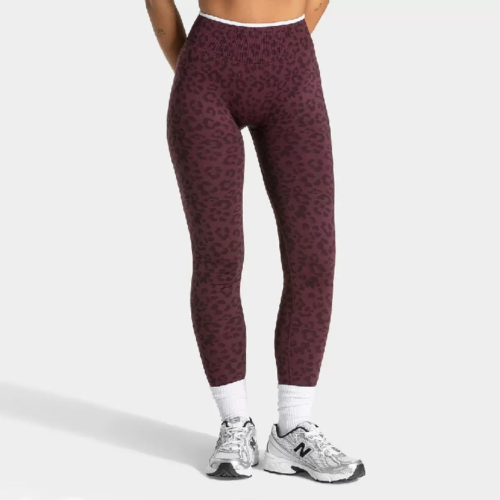
Custom Yoga Leggings – High Waist Seamless Workout Pants OEM/ODM
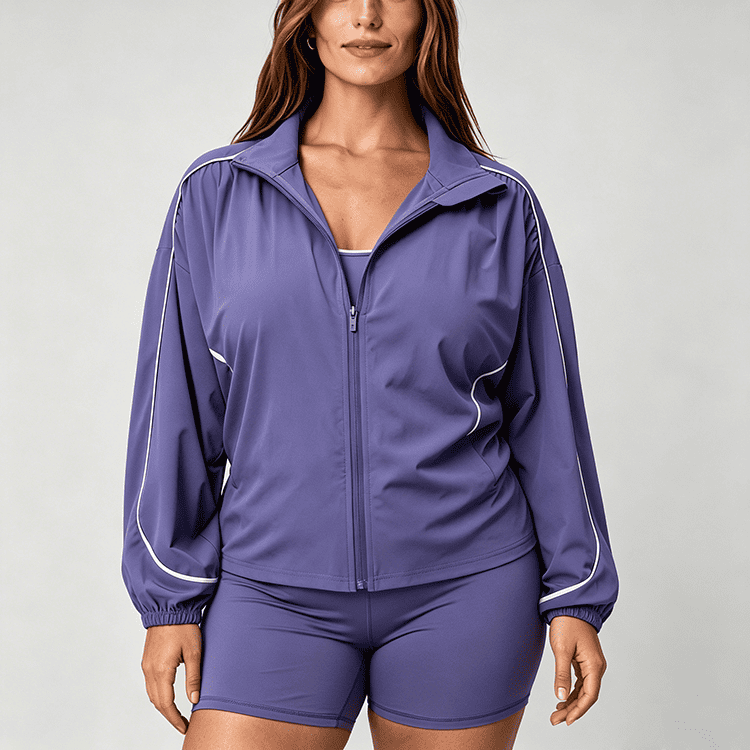
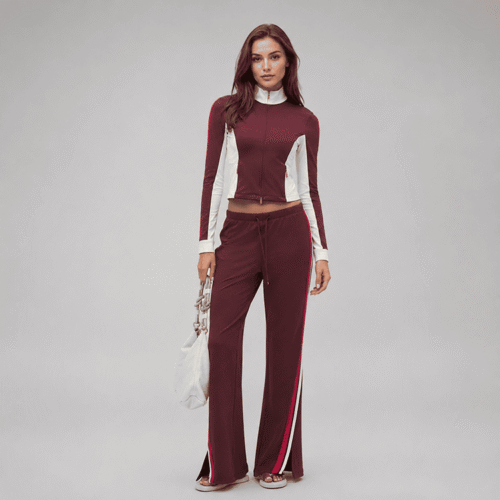
OEM Women’s Activewear Set Custom Zip-Up Jacket & Wide Leg Workout Pants
What Types of Plus Size Activewear Are Most Commonly Produced in China?
China’s activewear industry serves an increasingly diverse global market. Today’s suppliers manufacture far more than traditional gym clothing, supporting a wide range of performance, lifestyle, and niche activewear categories.
Understanding these categories can help brands identify opportunities and evaluate supplier capabilities more effectively.
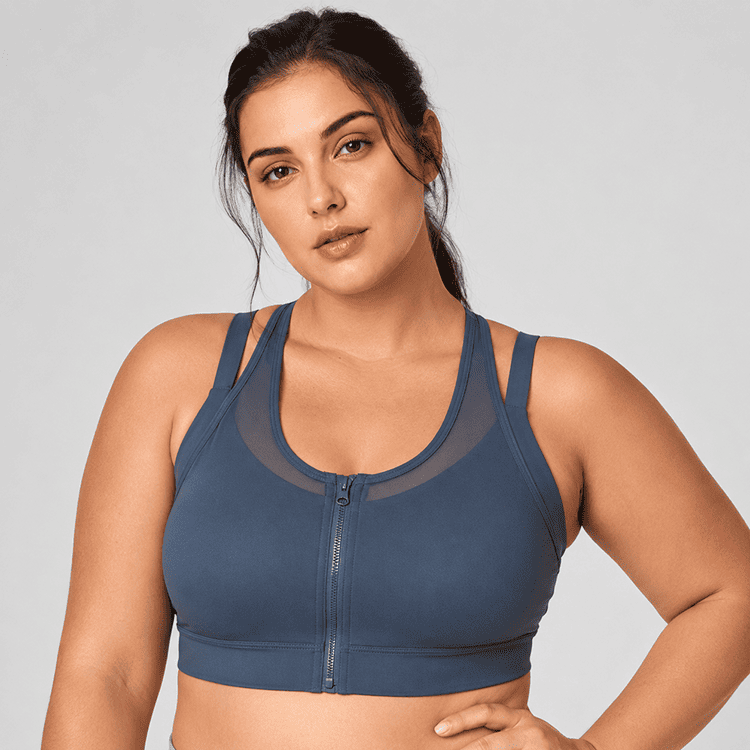
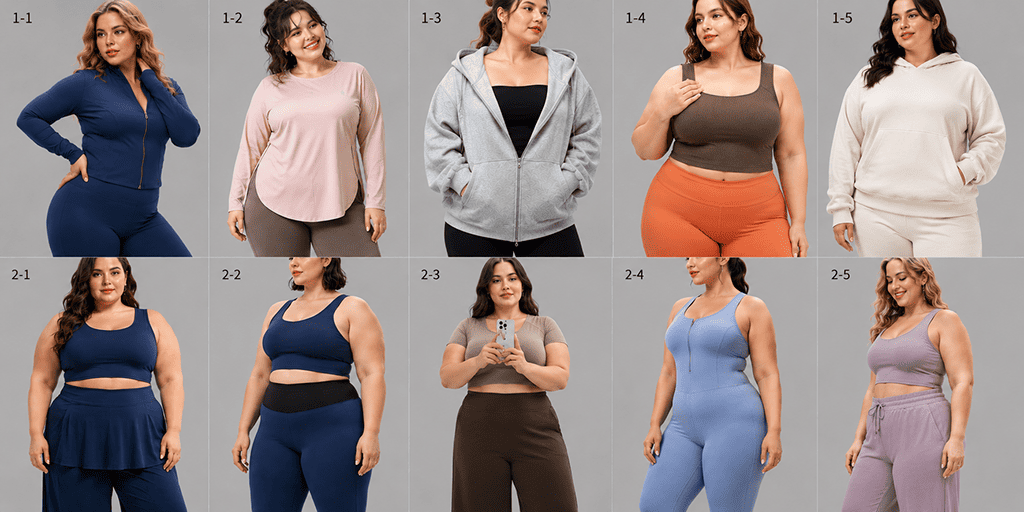
Plus size activewear manufacturing in China has expanded beyond leggings and sports bras. Leading suppliers now support a broad range of categories including tennis apparel, athleisure, maternity activewear, seamless collections, and lifestyle-focused sportswear.
Plus Size Leggings
Leggings remain the largest category within the plus size activewear segment.
Popular styles include:
- High-waist leggings
- Compression leggings
- Pocket leggings
- Running leggings
- Yoga leggings
Consumer expectations continue to rise regarding:
- Opacity
- Compression
- Stretch recovery
- Comfort
Plus Size Sports Bras
Sports bras represent one of the most technically challenging activewear categories.
Successful products require:
- Effective support systems
- Proper strap engineering
- Balanced weight distribution
- Long-term durability
This category often serves as a strong indicator of a supplier’s technical expertise.
Plus Size Tops and Tanks
Common products include:
- Training tanks
- Running tops
- Performance T-shirts
- Longline activewear tops
Brands frequently use these products to build complete collections around core leggings and bras.
Plus Size Hoodies and Joggers
Athleisure continues to influence purchasing behavior worldwide.
Consumers increasingly seek apparel suitable for:
- Travel
- Recovery
- Casual wear
- Hybrid work environments
This has driven growth in:
- Hoodies
- Joggers
- Lounge sets
- Lifestyle sportswear
Plus Size Seamless Activewear
Seamless technology remains one of the fastest-growing activewear segments.
Benefits include:
- Improved comfort
- Enhanced stretch
- Reduced friction
- Modern aesthetics
However, seamless manufacturing requires specialized equipment and technical expertise.
Emerging Product Categories
Several categories are growing faster than the broader activewear market.
Tennis Apparel
The rise of tennis-inspired fashion has expanded demand for:
- Tennis dresses
- Tennis skirts
- Court-ready collections
Maternity Activewear
Consumers increasingly expect active lifestyles throughout pregnancy.
Modest Sportswear
Growing demand exists across multiple international markets for performance apparel offering greater coverage.
Wellness and Lifestyle Activewear
Many brands are moving beyond fitness into broader wellness-focused product ecosystems.
Common Mistakes Brands Make When Choosing Plus Size Activewear Vendors
Supplier selection mistakes often create problems that persist throughout the product lifecycle.
Many sourcing challenges can be traced back to decisions made during the vendor evaluation process.
Choosing Suppliers Based Only on Price
Price is important.
However, selecting suppliers solely because they offer the lowest quotation often results in:
- Inconsistent quality
- Communication challenges
- Delayed deliveries
- Higher return rates
The true cost of a supplier extends far beyond manufacturing pricing.
Ignoring Size Grading Expertise
This remains one of the most common mistakes in the plus size category.
Poor grading can create:
- Fit inconsistencies
- Customer dissatisfaction
- Increased returns
- Negative brand perception
Brands should evaluate grading capabilities as carefully as they evaluate pricing.
Focusing on Product Photos Instead of Capabilities
Supplier websites often showcase attractive product images.
However, successful sourcing depends on:
- Technical expertise
- Operational systems
- Category experience
- Supply chain strength
Images alone reveal very little about manufacturing capability.
Overlooking Communication Quality
Communication issues often become production issues.
Weak communication can contribute to:
- Delays
- Misunderstandings
- Specification errors
- Missed expectations
Strong communication is frequently one of the best predictors of project success.
Failing to Consider Future Growth
A supplier that supports today’s requirements may not support tomorrow’s ambitions.
Brands should evaluate:
- Product expansion capabilities
- Production scalability
- Category diversification potential
Long-term thinking often produces better sourcing outcomes.
Future Trends Shaping the Plus Size Activewear Industry
The plus size activewear market continues to evolve rapidly.
Several trends are likely to influence supplier selection and sourcing strategies over the coming years.
Is Inclusive Sizing Becoming the Industry Standard?
Increasingly, yes.
Many brands now view inclusive sizing as a core business requirement rather than a niche offering.
Consumer expectations continue to rise, placing greater emphasis on:
- Fit consistency
- Product availability
- Brand inclusivity
Suppliers with stronger experience in extended sizing are likely to become increasingly valuable.
How Sustainability Is Influencing Supplier Selection
Environmental considerations are playing a larger role in sourcing decisions.
Many international brands now prefer suppliers that support recycled materials and recognized sustainability programs such as the Global Recycled Standard (GRS), which helps improve supply chain transparency and environmental accountability.
Brands increasingly seek:
- Recycled fabrics
- Sustainable materials
- Responsible manufacturing practices
- Supply chain transparency
These factors may become even more important in future vendor evaluations.
Which Product Categories Are Growing Fastest?
Several segments continue to outperform broader market growth.
According to recent global activewear market research, categories such as athleisure, wellness apparel, and performance sportswear continue to drive growth across global activewear markets.
These include:
- Seamless activewear
- Tennis apparel
- Wellness wear
- Athleisure
- Maternity activewear
- Inclusive performance apparel
Brands entering these categories may benefit from reduced competition and stronger growth opportunities.
What Buyers Should Expect Over the Next Five Years
The supplier relationship is becoming increasingly strategic.
Manufacturers are expected to contribute beyond production by supporting:
- Product innovation
- Fabric recommendations
- Market insights
- Supply chain optimization
The strongest sourcing partnerships will increasingly resemble long-term business collaborations rather than transactional vendor relationships.
Final Recommendations: Which Plus Size Activewear Vendor Is Best for Your Brand?
There is no universally perfect supplier.
The most suitable vendor depends on:
- Business stage
- Product category
- Growth strategy
- Brand positioning
Best for Emerging Brands
Prioritize:
- Communication quality
- Category experience
- Flexibility
- Growth support
Best for Growing Brands
Focus on:
- Operational consistency
- Supply chain stability
- Product diversification capabilities
Best for Premium Positioning
Evaluate:
- Technical expertise
- Fabric resources
- Fit development capabilities
Best for Long-Term Partnerships
Seek suppliers that demonstrate:
- Transparency
- Reliability
- Continuous improvement
- Strategic alignment
The strongest sourcing relationships are built on trust, consistency, and mutual growth rather than simply cost considerations.
Frequently Asked Questions
Who Are the Largest Plus Size Activewear Vendors in China?
China’s plus size activewear market includes a mix of specialized activewear manufacturers, large-scale sportswear factories, and diversified apparel suppliers. The most suitable vendor depends on a brand’s product category, target market, sourcing strategy, and growth objectives rather than company size alone.
Brands should focus on supplier fit rather than assuming larger manufacturers automatically provide better outcomes. Many growing activewear brands achieve greater success by partnering with suppliers that possess relevant category expertise and a strong understanding of inclusive sizing.
What Should Brands Compare When Evaluating Suppliers?
Supplier evaluation should extend beyond pricing and product catalogs.
Key comparison factors include:
- Size grading expertise
- Product category specialization
- Communication quality
- Supply chain stability
- Industry experience
- Fabric sourcing capabilities
- Long-term scalability
The most successful sourcing decisions are typically based on a balanced assessment of technical capability and business compatibility.
Why Is Size Grading More Important Than MOQ?
Many brands focus heavily on minimum order quantities during supplier selection. While MOQ matters, fit quality often has a much greater impact on long-term success.
Accurate grading contributes directly to:
- Customer satisfaction
- Lower return rates
- Stronger product reviews
- Increased repeat purchases
Poor grading can damage brand reputation regardless of how attractive production costs appear.
Which Country Offers the Strongest Activewear Supply Chain?
Several countries play important roles in global apparel sourcing.
However, China remains one of the strongest activewear sourcing ecosystems due to:
- Extensive supplier diversity
- Mature textile infrastructure
- Broad activewear expertise
- Strong product development resources
- Efficient logistics networks
These advantages continue to attract activewear brands from around the world.
How Can Brands Reduce Supplier Selection Risk?
Effective risk reduction starts with structured supplier evaluation.
Recommended practices include:
- Creating a supplier shortlist
- Comparing multiple vendors
- Evaluating communication quality
- Reviewing category experience
- Assessing supply chain stability
- Starting with smaller projects before scaling
Risk management should be viewed as an ongoing process rather than a one-time sourcing activity.
What Certifications Matter Most When Comparing Vendors?
Certifications can provide useful insight into operational standards.
Common certifications include:
- ISO9001
- BSCI
- GRS
- OEKO-TEX
- WRAP
While certifications are valuable, they should complement rather than replace practical supplier evaluation.
A supplier’s actual performance, consistency, and reliability remain equally important.
Are Sustainable Plus Size Activewear Suppliers Common in China?
Sustainability has become increasingly important throughout the activewear industry.
Many Chinese suppliers now offer:
- Recycled polyester
- Recycled nylon
- GRS-certified fabrics
- Eco-conscious material options
As demand for sustainable activewear continues to grow, environmentally responsible sourcing options are becoming more widely available.
What Future Trends Will Influence Vendor Selection?
Several trends are expected to shape future sourcing decisions:
- Inclusive sizing expansion
- Sustainable materials
- Supply chain resilience
- Product innovation
- Technical performance fabrics
- Data-driven product development
Suppliers capable of supporting these trends may become increasingly attractive to activewear brands in the coming years.
Conclusion
The global plus size activewear market is entering a new stage of maturity. Consumers increasingly expect brands to provide inclusive sizing, consistent fit, technical performance, and modern design across a broader range of body types than ever before.
As a result, supplier selection has become a strategic business decision rather than a purely operational one.
China continues to maintain a leadership position within the activewear manufacturing industry because of its unique combination of textile expertise, supplier diversity, technical capabilities, and scalable production infrastructure. However, not all suppliers are equally equipped to support the needs of modern activewear brands.
The most successful sourcing partnerships are built on far more than production capacity. They are built on communication, expertise, reliability, category experience, and long-term alignment.
Brands that evaluate suppliers thoughtfully are often better positioned to:
- Launch products successfully
- Reduce sourcing risks
- Improve customer satisfaction
- Strengthen profitability
- Scale more efficiently
Ultimately, reliable wholesale plus size activewear vendors are not defined by large production scales or rock-bottom pricing. The most suitable manufacturer boasts matching capabilities, rich experience and consistent business values that fit your brand’s long-term plans.