OEM/ODM Sportswear Manufacturer | 3-Day Sampling | Low MOQ | 50K Monthly Capacity | ISO9001 & BSCI Certified

Top Plus Size Leggings Wholesale Manufacturers in China: Supplier Comparison, Factory Evaluation and Sourcing Guide for Global Brands
China is one of the leading destinations for plus size leggings manufacturing because of its mature activewear supply chain, advanced product development capabilities, broad fabric resources, and scalable production infrastructure. The best Chinese plus size leggings manufacturers offer professional size grading, custom development support, private label services, flexible production options, and strong quality control systems. Buyers should evaluate suppliers based on fit expertise, sampling capabilities, production consistency, certifications, communication efficiency, and long-term partnership potential rather than focusing solely on price.
Top Plus Size Leggings Wholesale Manufacturers in China at a Glance
Before comparing individual suppliers, buyers should understand that manufacturing plus size leggings requires different capabilities than producing standard activewear. Extended-size apparel demands more advanced grading systems, fit development expertise, fabric performance evaluation, and quality control processes.
The manufacturers outlined below consist of dedicated activewear specialists, OEM & ODM suppliers, and private label production collaborators catering to international fashion brands. Though every vendor possesses its own standout strengths, the optimal partner for you will be determined by your product roadmap, target demographics, order sizes and business expansion targets.
Quick Comparison of Leading Plus Size Leggings Manufacturers in China
| Manufacturer | Location | Core Focus | MOQ | Sample Time | Monthly Capacity | Best For |
|---|---|---|---|---|---|---|
| Pair Fashion | Dongguan | Plus Size Activewear & Leggings | 50 pcs | 3 Days | 50,000 pcs | Startups & Growing Brands |
| AIKA Sportswear | Dongguan | Fitness & Activewear | Medium | 7-10 Days | Large Scale | Established Activewear Brands |
| INGOR Sportswear | Guangzhou | Sustainable Activewear | Medium | 7-10 Days | Large Scale | Eco-Focused Brands |
| Arabella Clothing | Xiamen | Fitness Apparel Manufacturing | Medium | 7-12 Days | Large Scale | International Retailers |
| Hucai Sportswear | Guangzhou | Seamless Activewear | Medium | 7-10 Days | Medium-Large | Seamless Collections |
| SGL Sportswear | Dongguan | OEM Sportswear Production | Medium | 7 Days | Large Scale | OEM Buyers |
| Berunwear | Guangzhou | Fitness Clothing | Medium | 7-12 Days | Medium | Small Brands |
| Biying Apparel | Dongguan | Yoga & Fitness Apparel | Medium | 7 Days | Medium | DTC Brands |
| Yotex Apparel | Guangzhou | Activewear Manufacturing | Medium | 7-10 Days | Large Scale | Distributors |
| ZYPFIT | Dongguan | Leggings & Gym Wear | Medium | 7 Days | Medium | Activewear Startups |
Which Manufacturer Is Best for Different Types of Buyers?
There is no single “best” supplier for every business.
Different buyers prioritize different criteria:
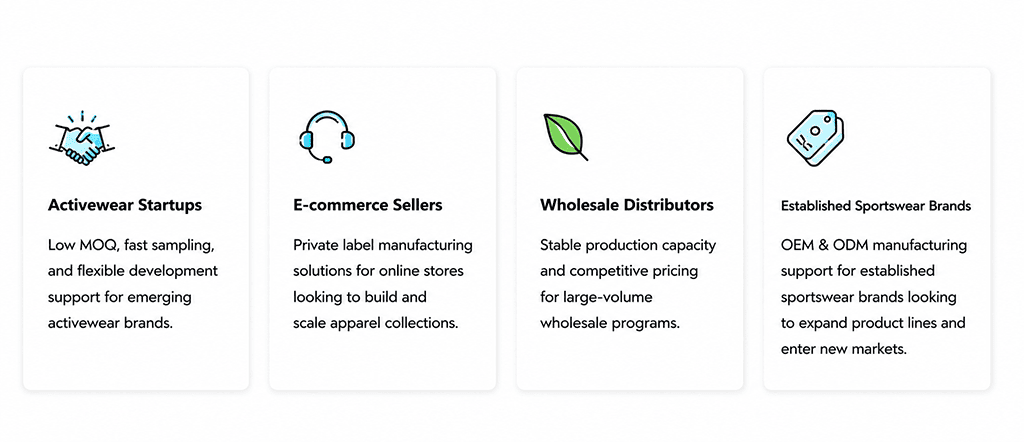
- Startup brands often prioritize low MOQ and development support.
- DTC activewear brands focus on speed, flexibility, and product differentiation.
- Retail chains prioritize compliance and production consistency.
- Distributors typically seek scalable production and stable pricing.
- Established brands often value technical expertise and supply chain reliability.
The key is matching supplier strengths with business objectives.
Top 10 Plus Size Leggings Wholesale Manufacturers in China
Below are some of the most reputable manufacturers supplying global activewear labels, each with distinct strengths tailored to varying business scales, brand positioning and sourcing needs.
1. Pair Fashion
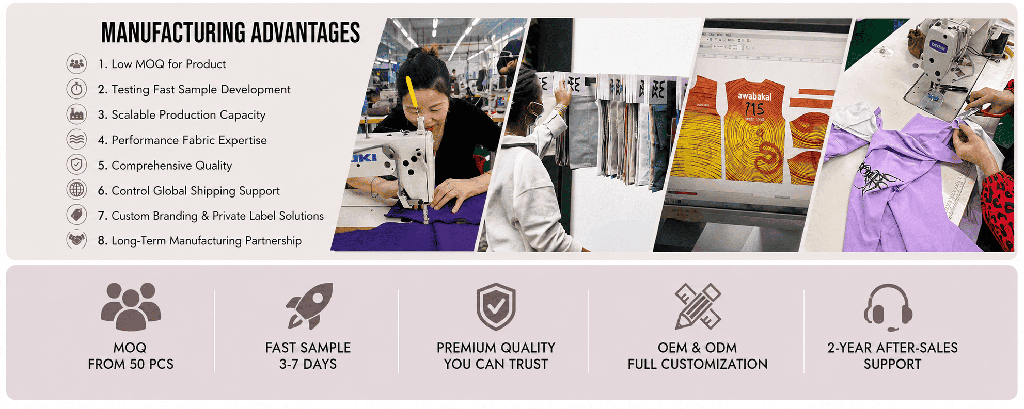
Founded in 2016, Pair Fashion focuses on functional activewear manufacturing, including plus size activewear, maternity activewear, equestrian apparel, and other inclusive sportswear categories. The company specializes in supporting private label brands, startup activewear businesses, and growing apparel companies seeking flexible production solutions.
Key Strengths
- MOQ from 50 pieces
- Sample development in as little as 3 days
- Monthly capacity of 50,000 pieces
- Extensive experience with extended-size activewear
- OEM, ODM, and private label support
- Two-year after-sales service
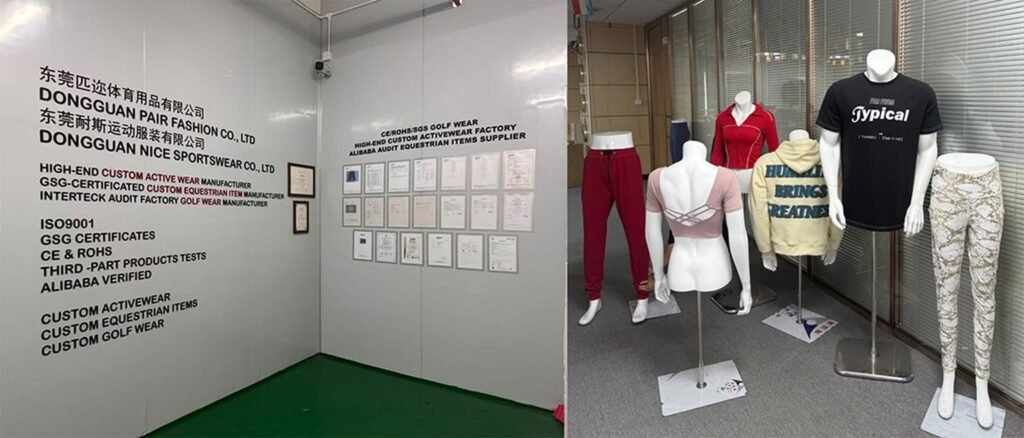
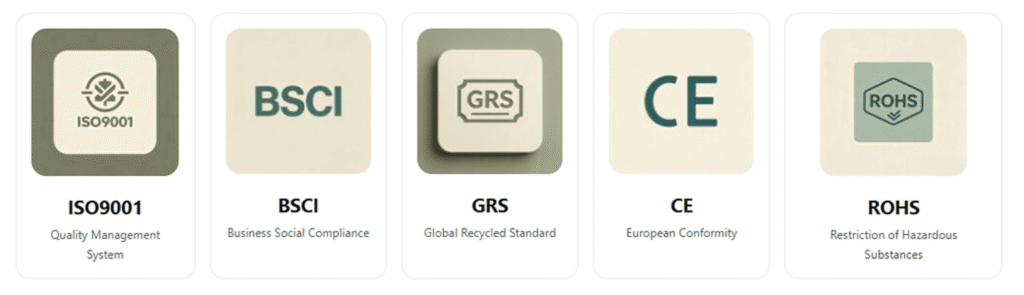
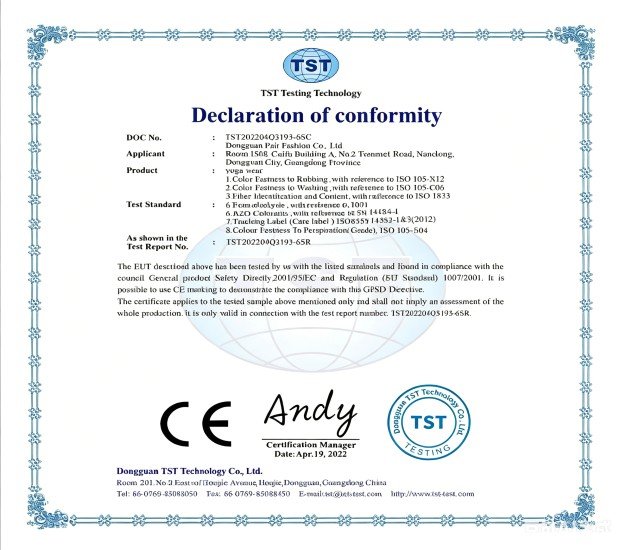
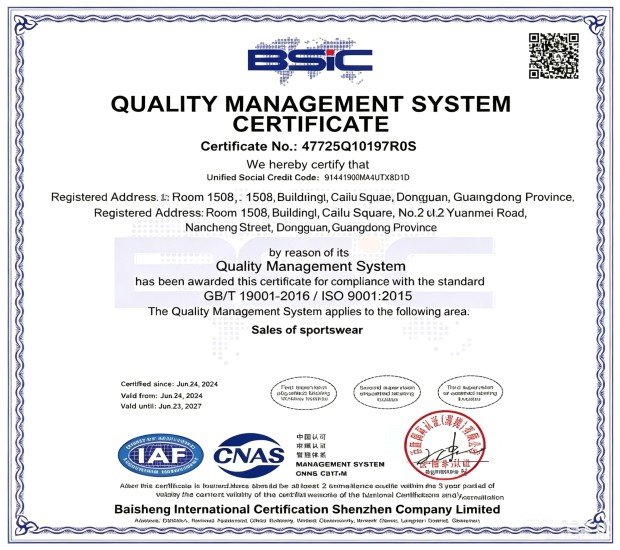
- ISO9001, GRS, CE, and related certifications
Best For
Brands seeking product development support, low-MOQ manufacturing, and scalable growth opportunities.
Why Brands Choose Pair Fashion
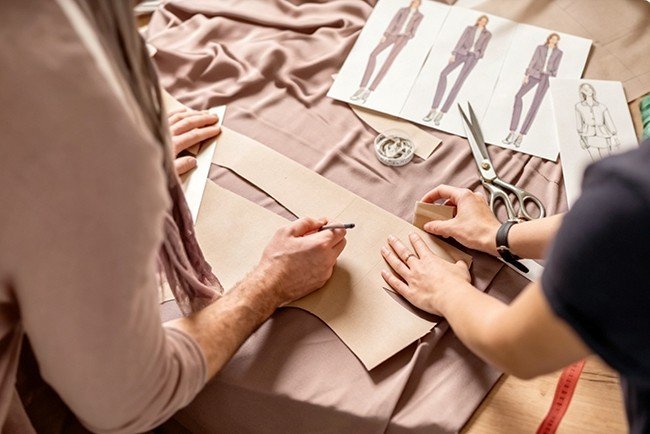
Many brands struggle with slow sampling, unstable quality, delayed delivery and unreliable suppliers.
- Slow sampling cycles
- Production inconsistency
- Poor communication
- Logistics complexity
- No after-sales support
- Can’t design products.
2. AIKA Sportswear
AIKA is a well-known Chinese activewear manufacturer serving global fitness apparel brands. The company offers a wide range of activewear products and supports both custom development and private label projects.
Key Strengths
- Broad activewear catalog
- Established export experience
- Large-scale manufacturing capacity
Best For
Medium-sized activewear brands looking for comprehensive product categories.
3. INGOR Sportswear
INGOR has developed a strong reputation within sustainable activewear manufacturing. The company emphasizes environmentally responsible production and recycled material programs.
Key Strengths
- Sustainable development focus
- Recycled fabric options
- Modern product development capabilities
Best For
Brands targeting environmentally conscious consumers.
4. Arabella Clothing
Arabella serves international fitness apparel brands and offers activewear production across multiple categories.
Key Strengths
- International export experience
- Broad product capabilities
- Retail-focused manufacturing
Best For
Retail buyers seeking large-scale production support.
5. Hucai Sportswear
Hucai specializes in seamless activewear development and manufacturing.
Key Strengths
- Seamless knitting expertise
- Technical garment construction
- Modern activewear production
Best For
Brands developing seamless plus size leggings collections.
6. SGL Sportswear
SGL provides OEM and ODM sportswear manufacturing services and serves clients across multiple international markets.
Key Strengths
- Large production capacity
- OEM expertise
- Flexible product categories
Best For
Traditional OEM sourcing projects.
7. Berunwear
Berunwear focuses on fitness apparel manufacturing and private label development.
Key Strengths
- Flexible development support
- Activewear specialization
- Small-to-medium production programs
Best For
Emerging activewear brands.
8. Biying Apparel
Biying supports activewear brands focused on yoga and fitness apparel categories.
Key Strengths
- Yoga apparel expertise
- DTC-focused production
- Flexible customization
Best For
Online activewear brands and boutique fitness businesses.
9. Yotex Apparel
Yotex serves activewear buyers worldwide and offers a wide range of manufacturing services.
Key Strengths
- Diverse product categories
- Export experience
- Wholesale support
Best For
Distributors and multi-category buyers.
10. ZYPFIT
ZYPFIT focuses on leggings and gym wear manufacturing, serving both startup and established activewear businesses.
Key Strengths
- Leggings specialization
- Private label support
- Activewear development capabilities
Best For
Brands focused primarily on fitness leggings and gym apparel.
Key Takeaways from the Top 10 Comparison
The best plus size leggings wholesale manufacturer is not necessarily the largest factory or the supplier offering the lowest price. The most suitable manufacturing partner depends on factors such as business model, target market, product positioning, expected order volume, and long-term growth plans.
Brands that prioritize fit quality, customer retention, and product consistency should focus on suppliers with demonstrated experience in plus size grading, activewear development, fabric performance testing, and quality management rather than making decisions based solely on cost.
What Manufacturing Capabilities Should Buyers Compare When Evaluating Plus Size Leggings Suppliers?
Many buyers compare suppliers primarily on price, MOQ, or production lead time. While these factors are important, they rarely determine long-term success. Two factories may offer similar pricing and delivery schedules, yet produce vastly different outcomes in terms of fit consistency, product quality, customer satisfaction, and repeat purchase rates.
The most successful activewear brands evaluate manufacturers based on their actual capabilities rather than marketing claims. Understanding what separates an average supplier from a highly capable manufacturing partner helps buyers make more informed sourcing decisions and reduce operational risk.
Pattern Development and Size Grading Capability
For plus size leggings, pattern development is arguably the most important capability a manufacturer can possess.
Unlike standard activewear, plus size garments require:
- Specialized size grading systems
- Body-shape-specific pattern engineering
- Multiple fit validation stages
- Extended-size testing procedures
Buyers should evaluate:
Pattern Development Resources
- How many pattern makers does the factory employ?
- Are patterns developed in-house?
- How much activewear experience does the team have?
Extended Size Expertise
- What is the largest size they currently produce?
- Have they developed products above 4XL or 5XL?
- Can they support custom size charts?
Manufacturers with dedicated development teams generally provide better fit consistency and lower return rates.
Fabric Development Resources
Fabric selection significantly influences product performance, comfort, durability, and customer satisfaction.
A strong supplier should offer access to multiple fabric categories including:
Performance Nylon Blends
Suitable for:
- Premium leggings
- Compression products
- High-performance training wear
Polyester Performance Fabrics
Suitable for:
- Value-focused collections
- Moisture-wicking products
- High-volume programs
Recycled Fabrics
Suitable for:
- Sustainable brands
- Premium eco-conscious collections
Specialized Functional Fabrics
Including:
- Cooling fabrics
- Brushed fabrics
- UV protection fabrics
- Anti-bacterial fabrics
- High-compression fabrics
Factories with broader fabric resources can better support product innovation and brand differentiation.
Compression and Performance Fabric Expertise
Compression remains one of the most important performance characteristics in premium plus size leggings.
However, compression development requires technical knowledge beyond simple fabric selection.
Manufacturers should understand:
- Compression mapping
- Recovery performance
- Stretch ratios
- Support zones
- Long-term durability
Poor compression engineering often results in:
- Waistband rolling
- Bagging after wear
- Inconsistent support
- Consumer dissatisfaction
Buyers targeting premium market segments should prioritize factories with proven compression product experience.
Printing and Decoration Capability
Although this guide focuses on supplier evaluation rather than product customization, decoration capabilities remain an important consideration.
Manufacturers may offer:
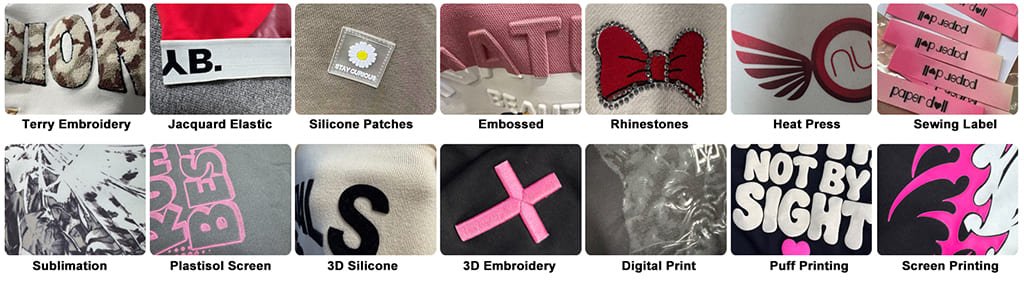
Sublimation Printing
Suitable for all-over graphics and vibrant designs.
Heat Transfer Printing
Popular for logos and branding applications.
Silicone Applications
Used for premium activewear collections.
Embroidery
Suitable for selected branding requirements.
Reflective Applications
Often used in performance-focused products.
A factory’s decoration capabilities can impact product differentiation and future collection development opportunities.
Quality Control Systems
Quality control should never be treated as an afterthought.
The most reliable manufacturers implement multiple inspection stages.
Incoming Material Inspection (IQC)
Verification of fabrics and trims before production.
In-Process Quality Control (IPQC)
Monitoring during manufacturing.
Final Quality Inspection (FQC)
Evaluation of:
- Measurements
- Appearance
- Construction quality
- Packaging
Factories with structured quality systems generally deliver more consistent results and fewer customer complaints.
Production Capacity and Scalability
Current production needs may differ significantly from future requirements.
A supplier should be capable of supporting growth over time.
Buyers should evaluate:
Current Capacity
Can the factory handle expected order volumes?
Peak Season Capacity
What happens during busy production periods?
Expansion Capability
Can production scale as the business grows?
A manufacturer that supports both initial launch and future expansion reduces the need for disruptive supplier changes.
Private Label and Packaging Support
Many growing activewear brands require more than garment production.
Additional services may include:
- Main labels
- Care labels
- Size labels
- Hangtags
- Poly bags
- Retail packaging
- Barcode labeling
Factories capable of supporting these requirements can simplify supply chain management and improve operational efficiency.
Key Takeaway
The most valuable suppliers are not simply production facilities. They function as development partners capable of supporting fit optimization, material selection, quality management, and long-term brand growth. Buyers should compare manufacturers based on technical capabilities, development resources, quality systems, and scalability rather than relying solely on pricing comparisons.

How Different Chinese Manufacturers Support Different Business Models
Not all activewear businesses require the same type of manufacturing partner.
A startup launching its first product collection has different priorities than an established retailer managing thousands of units across multiple markets. Understanding how supplier capabilities align with different business models helps buyers select more appropriate manufacturing partners.
Which Supplier Model Fits Startup Brands?
Startup brands often face challenges such as:
- Limited budgets
- Small order quantities
- Limited product development experience
- Inventory risk
The most suitable suppliers typically offer:
Low MOQ Programs
Allowing brands to test products before scaling.
Development Assistance
Helping transform ideas into manufacturable products.
Flexible Customization
Supporting brand identity without excessive investment.
Faster Sampling
Reducing time-to-market.
Startups generally benefit from suppliers willing to act as development partners rather than purely production vendors.
Which Supplier Model Fits DTC Activewear Brands?
Direct-to-consumer brands often prioritize:
- Product differentiation
- Frequent product launches
- Customer feedback integration
- Inventory flexibility
These businesses typically require suppliers capable of:
Continuous Product Development
Supporting new collections and improvements.
Faster Replenishment
Reducing stockout risks.
Strong Communication
Facilitating rapid decision-making.
Flexible Production Scheduling
Supporting evolving demand patterns.
DTC brands often value agility more than maximum production capacity.
Which Supplier Model Fits Wholesale Distributors?
Distributors usually prioritize:
- Competitive pricing
- Stable supply
- Consistent quality
- Broad product availability
Important supplier characteristics include:
Large Production Capacity
Supporting volume requirements.
Supply Chain Reliability
Reducing disruptions.
Consistent Manufacturing Standards
Maintaining customer confidence.
Export Experience
Simplifying international logistics.
Wholesale-focused businesses often prioritize operational efficiency over extensive customization.
Which Supplier Model Fits Large Retail Chains?
Large retailers typically have the most demanding requirements.
Common expectations include:
Compliance Programs
Meeting regional regulatory requirements.
Third-Party Audits
Supporting retail vendor approval processes.
Production Scalability
Handling substantial order volumes.
Long-Term Supply Stability
Supporting ongoing replenishment programs.
Detailed Quality Documentation
Providing traceability and compliance records.
Retail-focused suppliers generally require stronger operational systems than those serving smaller businesses.
Why Is Supplier Alignment Important?
Many sourcing problems occur because buyers choose suppliers based on cost rather than compatibility.
Examples include:
- Startups selecting factories designed for large retailers.
- Retailers working with suppliers lacking compliance systems.
- DTC brands partnering with inflexible manufacturers.
Selecting a supplier whose strengths match business requirements often produces better long-term outcomes than pursuing the lowest quotation.
Key Takeaway
The best manufacturer is not necessarily the largest, cheapest, or most famous supplier. The ideal partner is the factory whose capabilities, systems, and business model align most closely with your own growth strategy.
How Much Does It Cost to Manufacture Plus Size Leggings in China?
Pricing remains one of the most frequently discussed topics in apparel sourcing.
However, focusing exclusively on unit cost can lead buyers to overlook factors that have a much greater impact on profitability, such as product quality, fit consistency, inventory risk, and customer retention.
Understanding what drives manufacturing costs helps brands make better sourcing decisions and build more sustainable pricing strategies.
What Factors Affect Wholesale Pricing?
Several variables influence the final production cost of plus size leggings.
Fabric Selection
Fabric is often the largest cost component.
Premium materials typically cost more but deliver:
- Better comfort
- Improved durability
- Stronger performance
- Higher customer satisfaction
Construction Complexity
Additional panels, shaping features, and reinforcement details increase labor requirements.
Decoration Requirements
Custom printing, embroidery, and specialty branding add production costs.
Packaging
Retail-ready packaging typically costs more than standard bulk packaging.
Order Volume
Larger orders generally reduce per-unit costs due to economies of scale.
How Do Fabric Choices Impact Cost?
Fabric quality significantly affects pricing.
| Fabric Category | Relative Cost Level |
|---|---|
| Standard Polyester Blend | Lower |
| Nylon-Spandex Blend | Medium |
| Brushed Performance Fabric | Medium-High |
| Compression Fabric | High |
| Recycled Performance Fabric | High |
| Seamless Technical Yarn | High |
While lower-cost fabrics may improve margins initially, they can also increase return rates and reduce customer satisfaction.
MOQ vs Unit Cost: Which Matters More?
Many buyers focus on obtaining the lowest possible unit price.
However, inventory risk often has a greater financial impact.
For example:
Low MOQ Advantages
- Lower inventory investment
- Faster market testing
- Reduced risk
- Improved cash flow
Large MOQ Advantages
- Lower unit cost
- Greater production efficiency
For many emerging brands, maintaining flexibility is often more valuable than maximizing short-term cost savings.
How Can Brands Reduce Development Costs Without Sacrificing Quality?
Several strategies can improve cost efficiency.
Use Existing Pattern Libraries
Reduces development expenses.
Select Proven Fabrics
Avoids costly testing and revisions.
Limit Initial Color Options
Improves production efficiency.
Consolidate Orders
Increases purchasing leverage.
Partner With Experienced Manufacturers
Reduces development mistakes and delays.
Why Is Total Cost More Important Than Unit Cost?
Many buyers compare quotations without considering the broader financial picture.
True sourcing costs include:
- Sampling expenses
- Shipping costs
- Quality issues
- Product returns
- Inventory carrying costs
- Lost sales opportunities
A slightly higher manufacturing cost often becomes more profitable when accompanied by better quality, stronger fit consistency, and lower operational risk.
Key Takeaway
The lowest-cost supplier is rarely the most profitable manufacturing partner. Brands that prioritize quality, product performance, customer satisfaction, and long-term growth typically achieve stronger results than those focused solely on minimizing unit cost. Successful sourcing strategies balance cost control with product excellence and operational reliability.
What Makes Plus Size Leggings Manufacturing Different From Standard Leggings?
Most buyers mistakenly believe plus-size leggings can be made just by scaling up measurements from regular-sized patterns. In fact, this flawed assumption is a leading cause of poorly received extended-size activewear lines. When manufacturers simply blow up standard patterns to create larger styles, it leads to a host of issues: ill-fitting cuts, inconsistent sizing across ranges, overstretched fabric, rolling waistbands, and drastically elevated return rates.
For brands entering the plus size activewear market, understanding the technical differences between standard leggings production and professional plus size leggings manufacturing is essential. The manufacturers that consistently produce successful plus size collections invest heavily in pattern development, fit testing, grading systems, fabric engineering, and quality control processes specifically designed for extended-size consumers.
Why Is Size Grading More Important in Plus Size Production?
Size grading is the process of scaling a garment pattern across multiple sizes. While grading from Small to XL follows relatively predictable rules, grading from XL to 6XL becomes significantly more complex.
Body proportions do not increase uniformly as sizes expand. For example:
- Hip measurements often increase faster than waist measurements.
- Thigh circumference grows differently than inseam length.
- Front and back rise proportions require adjustment.
- Compression zones must be recalibrated.
- Fabric recovery performance changes under greater stretch pressure.
Manufacturers that simply enlarge a standard-size pattern often create products that technically fit size charts but perform poorly during wear.
Professional plus size manufacturers develop grading systems specifically for extended-size consumers, resulting in more consistent fit and improved customer satisfaction.
What Fit Challenges Occur Above XL, 2XL, and 3XL Sizes?
As size ranges expand, manufacturers face additional challenges that standard-size production rarely encounters.
Common fit issues include:
| Challenge | Impact on Customer Experience |
|---|---|
| Waistband Rolling | Reduced comfort during movement |
| Fabric Sheerness | Transparency under stretch |
| Excessive Compression | Restricted flexibility |
| Weak Recovery | Bagging at knees and hips |
| Incorrect Rise Proportion | Poor coverage and discomfort |
| Inconsistent Grading | Different fit between sizes |
These problems often become the primary cause of product returns.
For activewear brands, poor fit does not simply affect one sale—it impacts customer trust, repeat purchases, and brand reputation.
How Do Professional Manufacturers Prevent Fit Inconsistency?
Leading plus size leggings manufacturers follow a more advanced product development process.
Dedicated Pattern Development
Patterns are created specifically for plus size body shapes rather than scaled from standard-size garments.
Multi-Stage Fit Testing
Several fitting rounds are conducted using real fit models across different size ranges.
Fabric Stress Evaluation
Stretch, recovery, and opacity are tested under real wearing conditions.
Size Set Review
Multiple sizes are reviewed before bulk production approval.
Production Measurement Control
Critical measurements are monitored throughout manufacturing to ensure consistency.
These processes significantly improve fit reliability and reduce costly post-production issues.
Why Do Many Factories Struggle With Extended-Size Production?
The answer is surprisingly simple.
Most activewear factories were originally built around standard-size products.
As a result:
- Pattern libraries are based on smaller sizes.
- Fit models above XL are unavailable.
- Grading systems are limited.
- Fabric recommendations are designed for standard-size garments.
- Production teams lack specialized experience.
For brands focused on inclusive sizing, selecting a manufacturer with proven plus size development expertise is often more important than choosing the supplier with the lowest quotation.
Why Are Global Brands Moving Their Plus Size Leggings Production to China?
China has remained the world’s largest activewear manufacturing hub for decades. While emerging sourcing destinations such as Vietnam, India, Turkey, and Bangladesh continue attracting investment, China still maintains significant advantages in product development, supply chain integration, and technical manufacturing capabilities.
For plus size leggings specifically, China offers a combination of expertise and infrastructure that is difficult to replicate elsewhere.
How Does China Compare With Vietnam, Turkey, and India?
When comparing sourcing destinations, buyers should evaluate much more than labor costs.
| Evaluation Factor | China | Vietnam | Turkey | India |
| Fabric Resources | Excellent | Good | Moderate | Moderate |
| Product Development | Excellent | Good | Good | Moderate |
| Plus Size Expertise | Excellent | Limited | Moderate | Limited |
| Sampling Speed | Excellent | Moderate | Moderate | Moderate |
| Supply Chain Integration | Excellent | Good | Moderate | Moderate |
| Production Scalability | Excellent | Good | Good | Good |
China’s advantage lies in the concentration of suppliers, fabric mills, printing facilities, testing laboratories, accessory vendors, and logistics providers within a highly connected manufacturing ecosystem.
Why Do Chinese Factories Offer Stronger Product Development Support?
Many Chinese manufacturers have spent years supporting international activewear brands across North America, Europe, Australia, and the Middle East.
This experience has created:
- Extensive activewear pattern libraries
- Advanced fabric sourcing networks
- Dedicated development teams
- Specialized performance garment expertise
- Mature private label capabilities
For brands developing plus size leggings collections, these resources can reduce development costs and accelerate time-to-market.
What Manufacturing Advantages Matter Most for Growing Brands?
The most valuable advantages are often overlooked by first-time buyers.
Faster Sampling
Shorter development cycles allow brands to launch products sooner.
Greater Material Availability
Access to a wider range of performance fabrics increases flexibility.
Lower Development Risk
Experienced manufacturers help avoid costly design and fit mistakes.
Scalability
Production can expand as brands grow.
Supply Chain Efficiency
Integrated sourcing reduces management complexity and communication delays.
These advantages become increasingly important as brands move from startup stage to sustained growth.
Is China Still the Best Choice for Private Label Activewear?
For most activewear businesses, the answer remains yes.
China continues to offer:
- Competitive production costs
- Flexible minimum order quantities
- Advanced manufacturing capabilities
- Broad fabric selection
- Reliable export infrastructure
The key is not simply sourcing from China—it is selecting the right manufacturing partner within China.
Why Do Many Successful Activewear Brands Continue Manufacturing in China?
Many established activewear brands remain committed to Chinese manufacturing because of consistency.
Reliable suppliers provide:
- Stable quality
- Predictable lead times
- Product development support
- Long-term scalability
- Strong communication systems
Over time, these factors often create greater business value than marginal differences in production cost. According to recent global activewear market research, demand for inclusive sizing and performance apparel continues to grow across North America and Europe. Brands evaluating manufacturing partners should monitor industry trends and consumer purchasing behavior when planning future product development.
How to Evaluate a Plus Size Leggings Factory Before Ordering Samples
Selecting a supplier should be approached as a strategic business decision rather than a simple purchasing exercise.
Many sourcing failures occur because buyers evaluate factories based primarily on product photos, marketing materials, or pricing without investigating the manufacturer’s actual capabilities.
The following evaluation framework can help brands identify qualified suppliers and avoid costly mistakes.
Which Certifications Should Buyers Verify?
Certifications do not automatically guarantee product quality, but they provide insight into a factory’s management systems and compliance standards.
Common certifications include:
- ISO9001
- BSCI
- GRS
- OEKO-TEX
- REACH Compliance
- CPSIA Compliance
The certifications required will depend on your target market and brand positioning.
How Important Are Pattern Making and Size Grading Teams?
For plus size leggings manufacturing, this may be the most important evaluation factor.
Before sampling, ask suppliers:
- How many pattern makers do you employ?
- What is your maximum supported size range?
- Do you have experience with 4XL, 5XL, or 6XL products?
- How do you conduct size grading?
- Can you share examples of previous extended-size projects?
Suppliers with strong technical teams typically provide more reliable development outcomes.
What Questions Should Buyers Ask Before Requesting Samples?
Many sourcing problems can be prevented by asking the right questions early.
Important topics include:
Product Development Process
How are samples developed and approved?
Fabric Recommendations
Which materials perform best for plus size leggings?
Production Capacity
Can the supplier support future growth?
Lead Times
What are realistic sampling and production timelines?
Quality Control Procedures
What inspections occur before shipment?
These discussions help establish expectations before development begins.
How Can Buyers Identify Red Flags Early?
Potential warning signs often appear during initial communication.
Common red flags include:
- Unclear answers about grading systems
- Unrealistically low quotations
- Lack of quality documentation
- Extremely high development MOQs
- Slow communication
- Limited understanding of plus size fit requirements
Professional manufacturers are usually willing to discuss technical details and provide transparent information regarding their capabilities.
What Should Buyers Evaluate Beyond Price?
Price remains important, but experienced sourcing professionals typically evaluate suppliers using a broader set of criteria.
Technical Expertise
Can the factory solve development challenges?
Product Development Resources
Can they improve products over time?
Communication Quality
Are responses clear and professional?
Quality Systems
Are processes in place to maintain consistency?
Long-Term Partnership Potential
Can the supplier support future growth?
Brands that evaluate suppliers holistically often build stronger and more profitable supply chains.
Key Takeaway
The best plus size leggings manufacturers are rarely the cheapest suppliers. The most valuable partners are factories capable of delivering accurate fit, stable quality, efficient product development, reliable communication, and scalable production support. Brands that invest time in supplier evaluation typically experience fewer sourcing problems, faster product launches, lower return rates, and stronger long-term business performance.

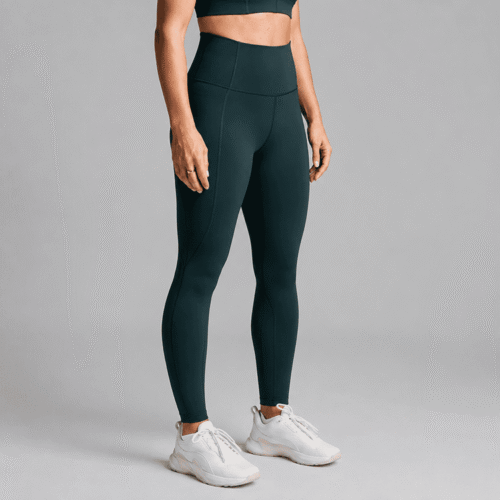
Custom High Waist Pocket Yoga Leggings OEM ODM Workout Pants
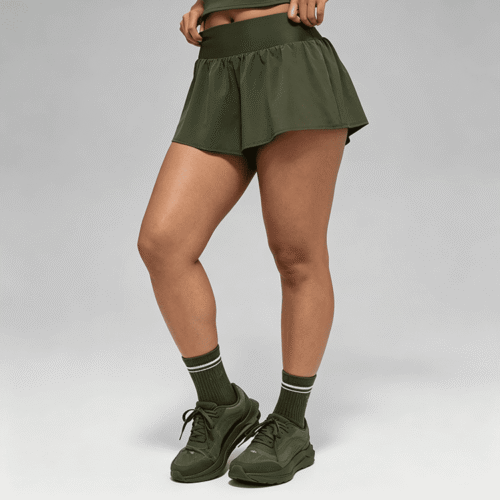
Custom High Waist Tennis Skort with Built-In Shorts OEM ODM
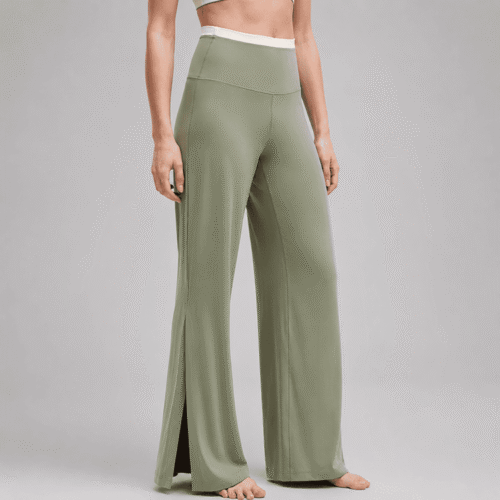
Custom High Waist Wide Leg Yoga Pants OEM ODM Athleisure Trousers
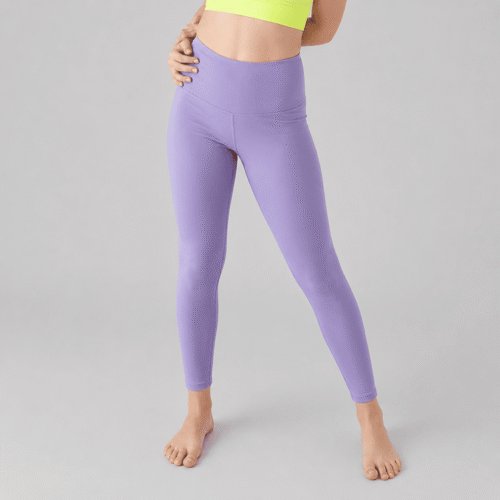
Custom High Waist Yoga Leggings OEM ODM Four-Way Stretch Workout Tights
Custom High Waist Yoga Leggings OEM ODM Performance Workout Pants
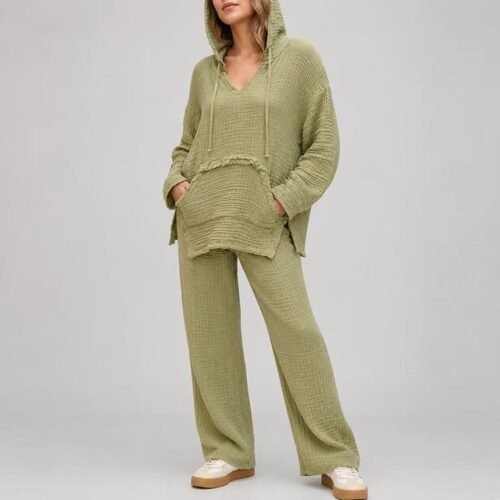
Custom Hooded Modest Activewear Set OEM ODM Muslim Loungewear
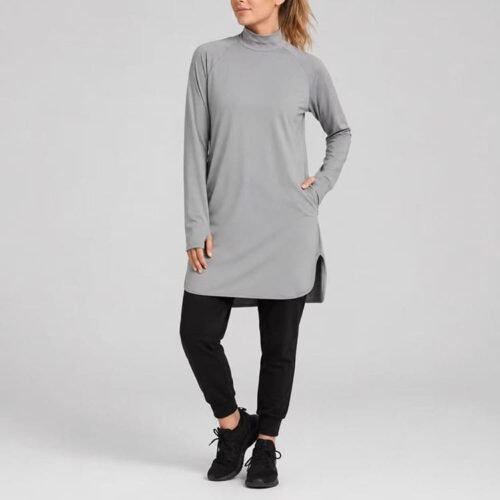
Custom Long Sleeve Modest Sports Tunic OEM ODM Muslim Activewear
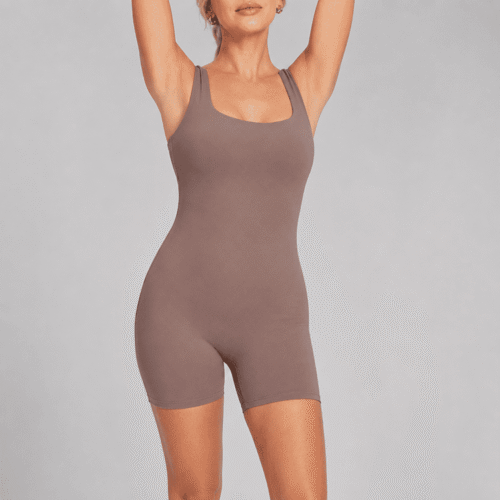
Custom Maternity Activewear Romper OEM ODM Pregnancy Workout Jumpsuit
How Long Does Sampling and Bulk Production Take?
Lead time is one of the most important considerations when selecting a plus size leggings manufacturer. A delayed product launch can result in missed selling seasons, inventory shortages, and lost revenue opportunities. While pricing often receives significant attention during supplier selection, delivery reliability frequently has a greater impact on long-term business success.
Understanding realistic sampling and production timelines allows brands to plan collections more effectively and avoid common sourcing mistakes.
What Is the Typical Sampling Process?
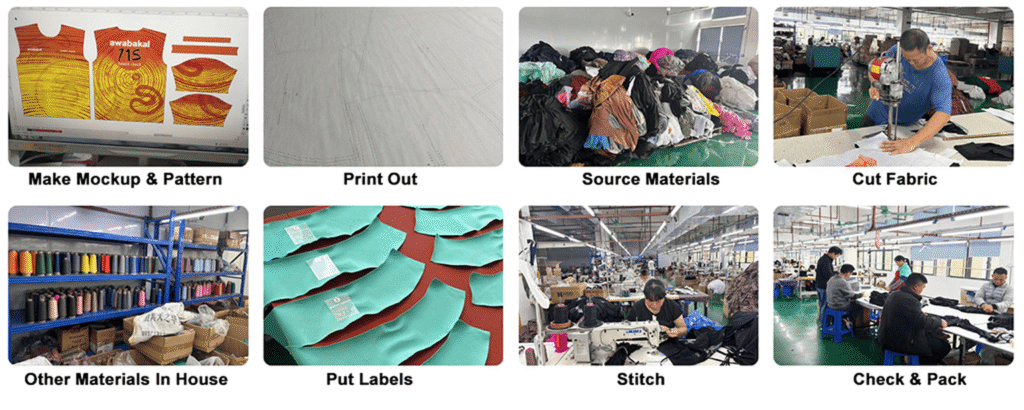
Most professional manufacturers follow a structured development process:
Step 1: Product Requirement Confirmation
Buyers provide:
- Tech Pack
- Reference images
- Existing samples
- Size charts
- Fabric preferences
- Branding requirements
Step 2: Pattern Development
The factory develops new patterns or adjusts existing ones based on project specifications.
Step 3: Fabric and Trim Sourcing
Required materials are selected and prepared.
Step 4: Sample Production
The first prototype is manufactured for review.
Step 5: Fit Review and Revision
Feedback is incorporated before final approval.
How Long Does Sampling Usually Take?
Typical sampling timelines include:
| Stage | Estimated Time |
|---|---|
| First Prototype Sample | 3–10 Days |
| Sample Revision | 3–7 Days |
| Final Approval Sample | 3–7 Days |
| Total Development Process | 2–4 Weeks |
Projects involving custom fabrics, specialty prints, or complex compression construction may require additional development time.
How Long Does Bulk Production Take?
Bulk production timelines vary based on order quantity, seasonality, and product complexity.
Typical production lead times include:
| Order Type | Production Time |
| Small Batch Orders | 15–20 Working Days |
| Medium Orders | 20–30 Days |
| Large Retail Orders | 30–45 Days |
Manufacturers with dedicated activewear production lines generally provide more predictable delivery performance.
What Quality Control Steps Should Occur Before Shipment?
Professional suppliers typically conduct multiple inspection stages:
Incoming Material Inspection
Verification of fabrics, trims, and accessories.
In-Process Inspection
Monitoring during cutting, sewing, printing, and assembly.
Final Inspection
Evaluation of:
- Measurements
- Appearance
- Construction quality
- Packaging
Shipment Approval
Final verification before dispatch.
Brands that establish clear quality expectations before production often experience fewer post-shipment issues.
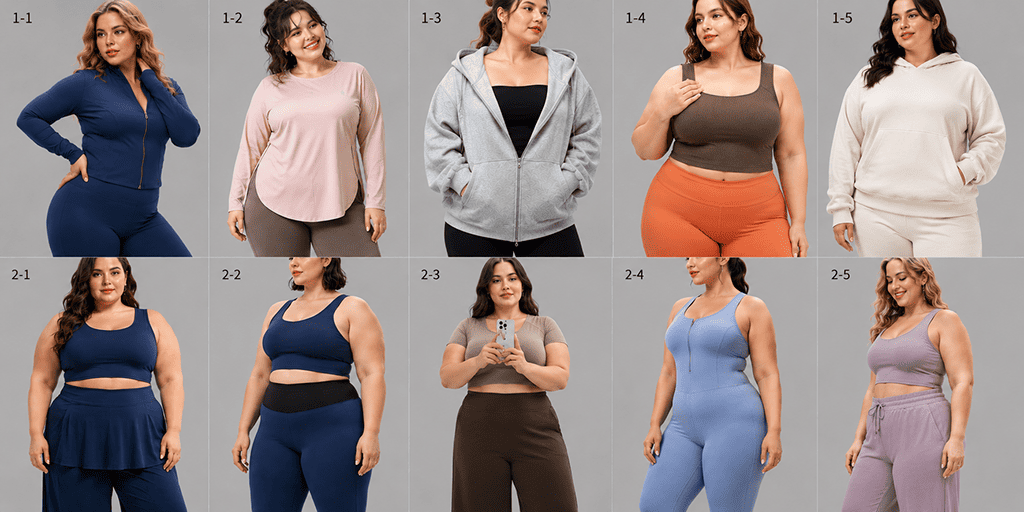
Future Trends in Plus Size Leggings Manufacturing
The plus size activewear market continues evolving rapidly. Brands that understand emerging trends will be better positioned to capture market share and build stronger customer relationships over the next decade.
Inclusive Sizing Will Continue Expanding
Many retailers now extend size ranges beyond traditional XL, 2XL, and 3XL offerings.
Demand continues increasing for:
- 4XL
- 5XL
- 6XL
- Custom extended-size collections
Brands capable of delivering accurate fit across these size ranges are likely to gain a competitive advantage.
Performance Fabrics Will Become Standard Expectations
Consumers increasingly expect technical features regardless of garment size.
Popular requirements include:
- Moisture management
- Four-way stretch
- Quick-dry performance
- Anti-pilling properties
- Compression support
- UV protection
Performance functionality is gradually becoming a baseline expectation rather than a premium upgrade.
Sustainability Will Influence Purchasing Decisions
Environmental considerations continue affecting buying behavior.
Many brands are incorporating:
- Recycled nylon
- Recycled polyester
- GRS-certified materials
- Sustainable packaging solutions
Manufacturers capable of supporting sustainability initiatives will likely remain highly competitive. As sustainability becomes increasingly important in activewear sourcing, many brands are adopting recycled materials and traceable supply chains. Buyers interested in sustainable manufacturing standards can explore industry resources and certification frameworks published by Textile Exchange.
Data-Driven Product Development Will Accelerate
Brands increasingly use customer feedback, sizing data, and performance metrics to improve product development.
Manufacturers that support:
- Fit optimization
- Consumer feedback analysis
- Continuous product improvement
will become more valuable long-term partners.
Strategic Supplier Relationships Will Become More Important
As supply chains become more complex, many successful brands are shifting away from transactional sourcing and building long-term manufacturing partnerships.
Future growth will increasingly depend on:
- Product innovation
- Supply chain stability
- Development collaboration
- Operational flexibility
rather than purely on manufacturing cost.
How to Build a Successful Plus Size Leggings Brand With the Right Manufacturing Partner
Many entrepreneurs believe success depends primarily on product design. While design matters, sustainable growth often depends on selecting the right manufacturing partner.
A reliable supplier contributes far more than production capacity. The best manufacturers help improve products, reduce operational risk, accelerate development, and support long-term business growth.
What Do Successful Plus Size Activewear Brands Have in Common?
Fast-growing brands often share several characteristics:
Clear Customer Positioning
They solve specific consumer needs.
Consistent Fit
Customers know what to expect from each purchase.
Reliable Quality
Products perform consistently over time.
Efficient Supply Chains
Inventory arrives when needed.
Continuous Product Development
Collections evolve based on customer demand.
Manufacturing partners play an important role in each of these areas.
How Can Better Fit Reduce Returns and Increase Repeat Purchases?
Fit remains one of the most important drivers of customer satisfaction in plus size apparel.
Poor fit often leads to:
- Product returns
- Negative reviews
- Customer dissatisfaction
- Reduced lifetime value
Accurate grading and professional fit development can significantly improve retention and profitability.
Why Does Long-Term Factory Partnership Matter?
Switching suppliers frequently can create hidden costs.
Long-term partnerships often provide:
- Faster development cycles
- Improved communication
- More consistent quality
- Better operational efficiency
- Stronger pricing stability
As manufacturers gain familiarity with a brand’s standards and customer expectations, production becomes more efficient and reliable.
What Should Brands Prioritize Beyond Price?
Experienced sourcing professionals typically evaluate suppliers using broader criteria than unit cost alone.
Important considerations include:
Product Development Capability
Can the supplier help improve products?
Plus Size Expertise
Do they understand extended-size consumers?
Quality Systems
Can they maintain consistency?
Scalability
Can they support future growth?
Communication
Will problems be addressed quickly and professionally?
The strongest manufacturing relationships are built on shared goals rather than short-term cost savings.
Add Your Heading Text Here
FAQ 1: Who Is the Best Plus Size Leggings Wholesale Manufacturer in China?
The best plus size leggings wholesale manufacturer in China depends on your business stage, target market, product positioning, and sourcing priorities rather than a single factory ranking. Startup brands often need low MOQ and development support, while established retailers prioritize production capacity, compliance, and consistency. Buyers should compare manufacturers based on size grading expertise, activewear experience, fabric resources, sample development capabilities, quality control systems, and long-term scalability. The most suitable supplier is the one that can consistently support your current needs while helping your brand grow over time.
FAQ 2: Why Is Plus Size Leggings Manufacturing More Difficult Than Standard Leggings Production?
Plus size leggings manufacturing requires specialized pattern development, grading expertise, fabric engineering, and fit testing that go far beyond simply enlarging standard-size garments. As sizes increase, body proportions change differently across the waist, hips, thighs, and rise. Manufacturers must adjust patterns accordingly to ensure comfort, support, and consistent fit. Factories without extended-size experience often produce garments that technically match measurements but perform poorly during actual wear, leading to customer complaints and higher return rates.
FAQ 3: How Do I Evaluate Whether a Factory Truly Specializes in Plus Size Leggings?
A factory’s true plus size expertise can be evaluated by reviewing its grading system, pattern development process, fit testing procedures, and previous extended-size projects rather than relying on marketing claims. Buyers should ask about the maximum size range supported, whether fit models are used during development, how patterns are graded beyond XL, and whether the supplier can provide examples of similar products. Factories that openly discuss these technical details are usually more capable than suppliers focused only on price and production volume.
FAQ 4: Why Do More Global Brands Source Plus Size Leggings From China?
Global brands continue sourcing plus size leggings from China because the country combines advanced product development, extensive fabric resources, flexible production capabilities, and highly integrated supply chains. China offers access to experienced activewear manufacturers, specialized performance fabrics, efficient sample development, and scalable production infrastructure. Compared with many alternative sourcing destinations, Chinese suppliers often provide stronger technical support and a broader range of customization options, helping brands accelerate product launches and maintain competitive advantages.
FAQ 5: What Certifications Should Buyers Look for When Selecting a Plus Size Leggings Manufacturer?
The certifications required depend on your target market, but internationally recognized standards such as ISO9001, BSCI, GRS, OEKO-TEX, and REACH compliance are commonly requested by global apparel brands. These certifications demonstrate that a manufacturer has established quality management systems, responsible production practices, and compliance procedures. While certifications alone do not guarantee product quality, they provide an important foundation for evaluating supplier credibility and operational standards.
FAQ 6: What MOQ Is Typical for Custom Plus Size Leggings Manufacturing?
MOQ requirements vary significantly depending on customization level, fabric selection, and supplier capabilities, but many activewear manufacturers now support relatively low minimum order quantities for growing brands. Standard private label programs often require lower MOQs than fully customized developments. Buyers should balance unit cost against inventory risk, as excessively large opening orders can create unnecessary financial pressure and reduce flexibility during early-stage product validation.
FAQ 7: How Long Does It Usually Take to Develop and Produce Plus Size Leggings?
Most plus size leggings projects require approximately two to four weeks for sample development and an additional two to six weeks for bulk production, depending on complexity and order volume. Custom fabrics, specialized compression construction, or multiple sample revisions can extend development timelines. Buyers who provide complete technical information and approve samples efficiently often achieve significantly faster production cycles and more predictable delivery schedules.
FAQ 8: What Is the Most Important Factor When Choosing a Long-Term Manufacturing Partner?
The most important factor is not price but the supplier’s ability to consistently deliver quality products, reliable communication, technical support, and scalable production as your business grows. The strongest manufacturing partnerships are built on mutual trust, transparency, and continuous improvement. A supplier that helps optimize fit, improve product performance, solve production challenges, and support future expansion often creates far greater value than one offering the lowest initial quotation.
Final Conclusion
The global demand for plus size leggings continues expanding as consumers seek products that combine comfort, performance, confidence, and inclusivity. China remains one of the strongest sourcing destinations due to its mature supply chain ecosystem, technical expertise, broad material resources, and scalable manufacturing capabilities.
However, not all manufacturers offer the same level of expertise. Brands should evaluate suppliers based on pattern development, grading systems, fabric capabilities, quality management, communication efficiency, and long-term partnership potential.
The most successful brands are rarely built by simply finding the lowest-cost factory. They are built by partnering with manufacturers capable of supporting product excellence, operational consistency, and sustainable growth.