OEM/ODM Sportswear Manufacturer | 3-Day Sampling | Low MOQ | 50K Monthly Capacity | ISO9001 & BSCI Certified

Top Wholesale Plus Size Leggings Manufacturers in China: 2026 Supplier Comparison Guide
Compare the top wholesale plus size leggings manufacturers in China by sourcing capabilities, plus size expertise, MOQ flexibility, lead times, supplier strengths, and buyer suitability. Learn how to evaluate factories and choose the right supplier for your brand.
Top Wholesale Plus Size Leggings Manufacturers in China: Supplier Comparison Guide
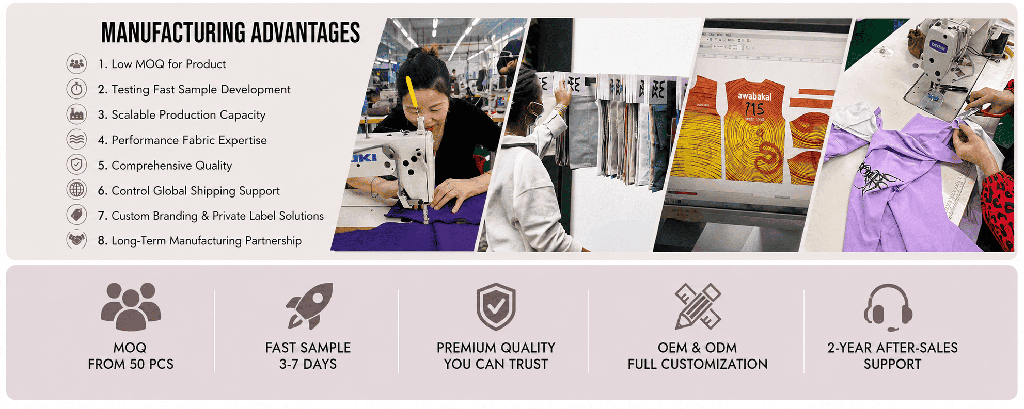
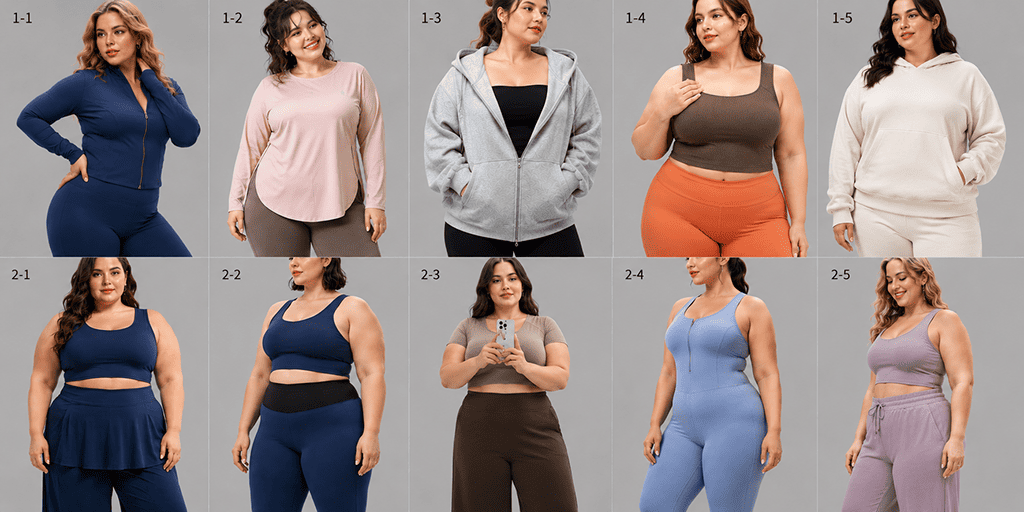
The global activewear market has evolved significantly over the past decade, driven by growing demand for inclusive sizing, improved fit performance, and higher-quality functional fabrics. Consumers increasingly expect activewear designed specifically for different body shapes rather than simply scaled-up versions of standard-size garments. This shift has created new opportunities for brands expanding into the plus size segment and has increased demand for experienced Wholesale Plus Size Leggings Manufacturers capable of delivering accurate fit, reliable quality, and scalable production. As a result, plus size leggings, sports bras, and coordinated activewear collections have become some of the fastest-growing categories for brands seeking long-term growth in the activewear industry.
However, many buyers quickly discover that sourcing plus size leggings is more complex than sourcing standard activewear. Not all manufacturers possess the technical expertise required to develop accurate plus size patterns, maintain fit consistency across extended size ranges, or support long-term product growth. A supplier that performs well for standard leggings may struggle with the unique engineering requirements of plus size apparel.
Which Wholesale Plus Size Leggings Manufacturers Are Worth Considering?
China remains one of the most established sourcing destinations for wholesale plus size leggings due to its mature activewear supply chain, broad fabric ecosystem, experienced development teams, and production flexibility. The best manufacturer depends on a brand’s stage, goals, and product positioning. Some factories are better suited for startups, while others excel in high-volume retail programs. Buyers should evaluate suppliers based on plus size expertise, MOQ flexibility, communication quality, lead time stability, and scalability rather than price alone.
The following guide compares leading Chinese manufacturers, explains what separates strong suppliers from weak ones, and provides a framework for selecting factories that align with specific business objectives.
Which Manufacturer Fits Your Brand Stage Best?
Many sourcing decisions fail because buyers focus on factory size instead of supplier suitability.
The most successful brands often choose suppliers based on current business requirements rather than future ambitions.
Best Manufacturers for Startup Brands
Startup brands typically need:
- Low MOQ
- Fast sampling
- Development support
- Flexible communication
Recommended suppliers:
- Pair Fashion
- Biying Sportswear
- ZYP Fit
These suppliers generally offer greater flexibility during early-stage product validation.
Best Manufacturers for Growing DTC Brands
Growing direct-to-consumer brands require:
- Stable quality
- Consistent replenishment
- Moderate scaling capability
- Product development resources
Recommended suppliers:
- Pair Fashion
- Ingor Sportswear
- Aika Sportswear
These factories often balance flexibility with scalability.
Best Manufacturers for Retail Programs
Retail buyers prioritize:
- Production stability
- Compliance
- Repeatability
- Volume management
Recommended suppliers:
- Arabella
- Hucai Sportswear
- Ingor Sportswear
Best Manufacturers for Premium Activewear Brands
Premium brands typically emphasize:
- Fabric innovation
- Fit precision
- Sustainable materials
- Product differentiation
Recommended suppliers:
- Pair Fashion
- Ingor Sportswear
Brands that want a deeper understanding of fit development, sizing systems, and production capabilities can also review this detailed guide on choosing a professional plus size activewear manufacturer before evaluating potential suppliers.
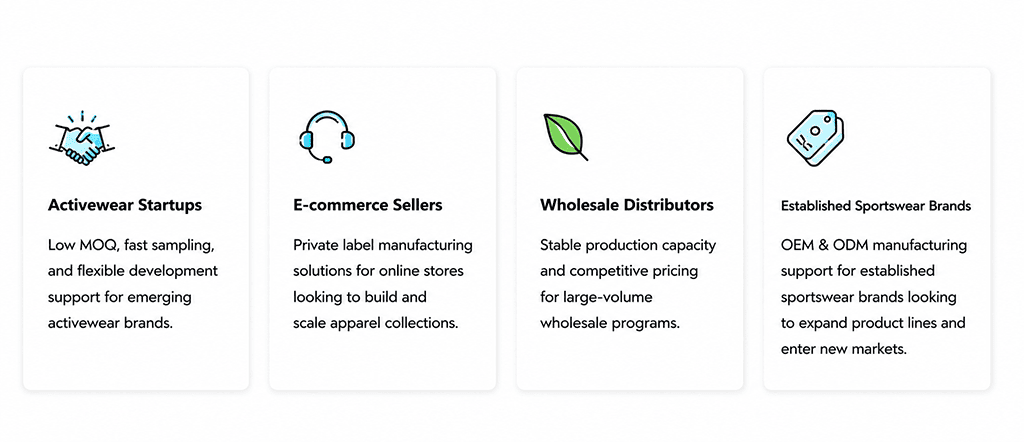
Top Wholesale Plus Size Leggings Manufacturers in China at a Glance
Most supplier lists focus on simple rankings. However, rankings alone rarely help buyers make informed sourcing decisions. The better approach is understanding which supplier strengths align with specific brand needs.
A startup testing its first collection faces different challenges than an established retailer managing annual replenishment programs. Therefore, the goal should not be identifying a universally “best” factory, but rather identifying the most suitable factory for a particular business model.
Quick Supplier Comparison
| Manufacturer | Location | MOQ Flexibility | Plus Size Expertise | Production Scale | Best For |
|---|---|---|---|---|---|
| Pair Fashion | Dongguan | Excellent | Excellent | Medium | Growing Brands |
| ZYP Fit | Guangzhou | Good | Good | Medium | Fitness Brands |
| Arabella | Xiamen | Good | Moderate | Medium | Retail Programs |
| Aika Sportswear | Dongguan | Good | Moderate | Medium | Private Label Retailers |
| Ingor Sportswear | Guangzhou | Good | Good | Medium | Premium Brands |
| Berunwear | Xiamen | Moderate | Moderate | Medium | Importers |
| Hucai Sportswear | Guangzhou | Limited | Moderate | Large | High Volume Buyers |
| Biying Sportswear | Dongguan | Good | Moderate | Medium | E-Commerce Sellers |
| SGL Sportswear | Guangzhou | Moderate | Moderate | Medium | Distributors |
| Yotex Apparel | Hangzhou | Good | Moderate | Medium | Boutique Brands |
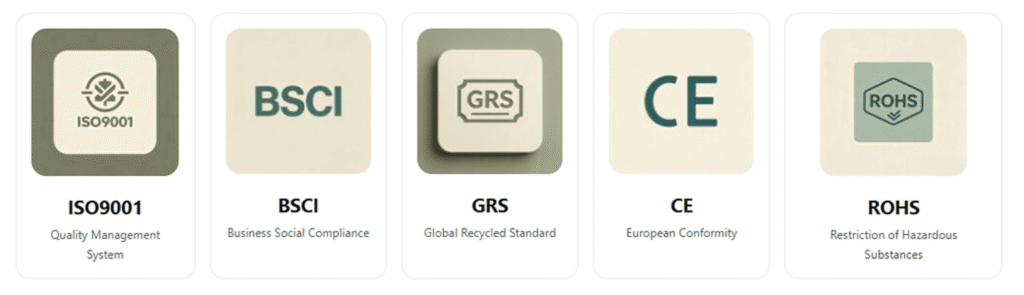
Top 10 Wholesale Plus Size Leggings Manufacturers in China
1. Pair Fashion
Overview
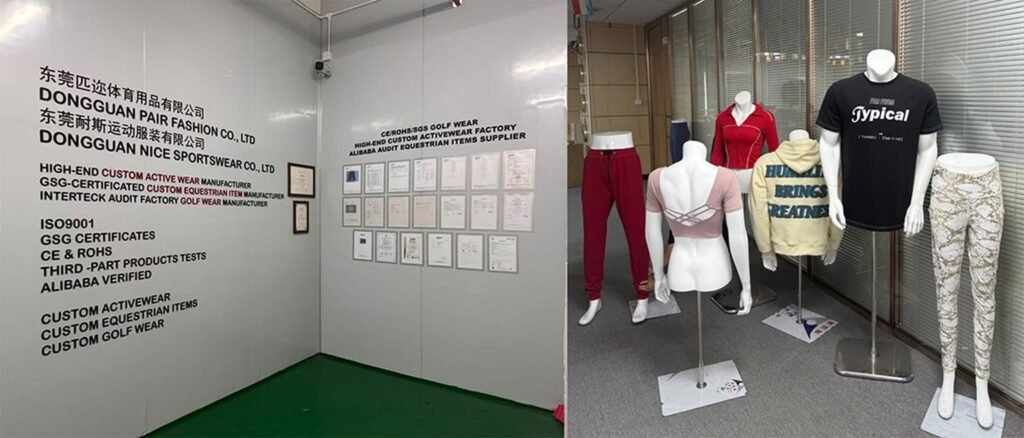
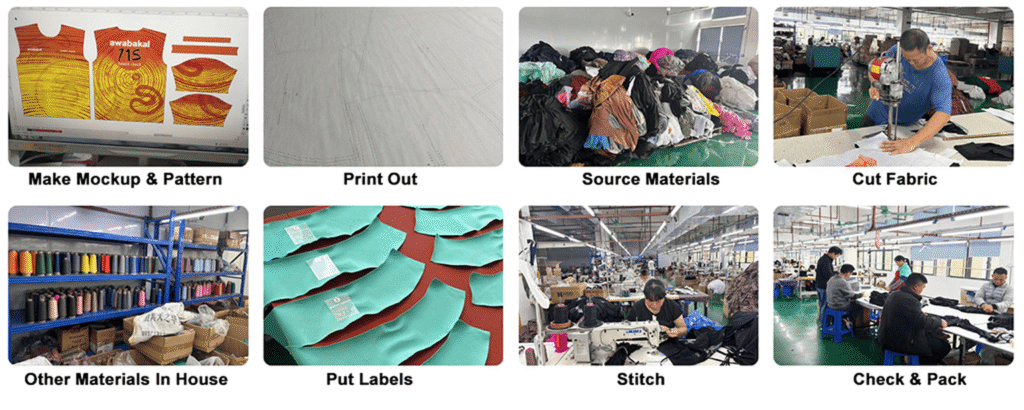
Founded in 2016 and located in Dongguan, Pair Fashion focuses on functional activewear, inclusive sizing categories, and specialized sportswear development.
Key Information
Location: Dongguan, Guangdong
Typical MOQ: 50 pcs
Sample Lead Time: 3–7 Days
Bulk Lead Time: 15–25 Days
Core Products:
- Plus Size Leggings
- Plus Size Activewear
- Sports Bras
- Activewear Sets
- Maternity Activewear
- Muslim Sportswear
Certifications:
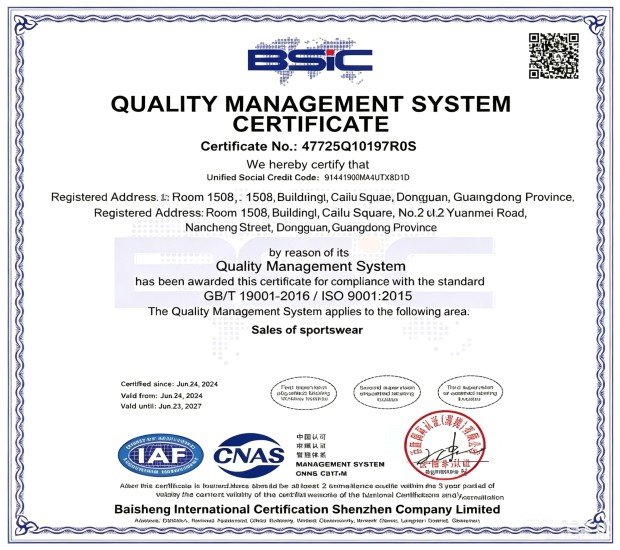
- ISO9001
- GRS
- BSCI
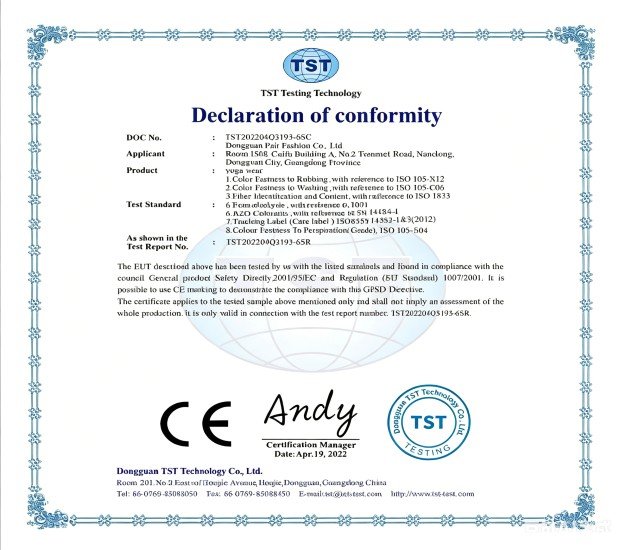
- CE
- RoHS
Best Suited For
- Startup brands
- Growing activewear brands
- Inclusive activewear programs
Less Suitable For
- Ultra-low-cost commodity sourcing
Strengths
- Extensive inclusive sizing experience
- Flexible MOQ structure
- Fast development cycle
- Strong activewear specialization
Limitations
- Smaller production scale than some industrial factories
Pair Fashion stands out for its focus on plus size, maternity, and inclusive activewear categories. Buyers evaluating suppliers for extended sizing collections often appreciate the company’s development flexibility and category specialization. Buyers comparing suppliers may also explore how a dedicated wholesale plus size leggings manufacturer supports custom brand development, sizing consistency, and long-term collection growth.
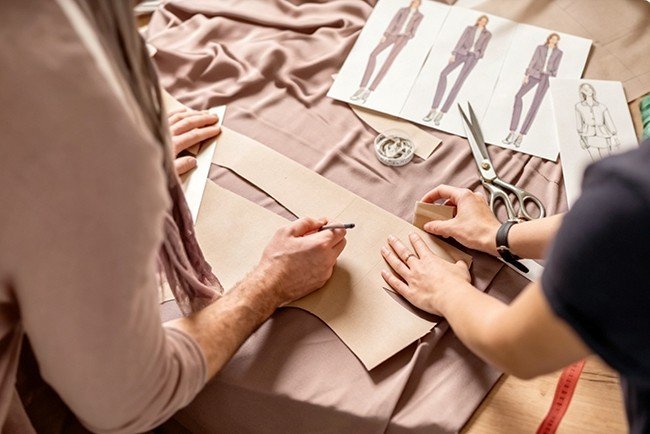
Why Brands Choose Pair Fashion
Many brands struggle with slow sampling, unstable quality, delayed delivery and unreliable suppliers.
- Slow sampling cycles
- Production inconsistency
- Poor communication
- Logistics complexity
- No after-sales support
- Can’t design products.
2. ZYP Fit
Overview
ZYP Fit focuses on fitness apparel manufacturing and serves a broad range of activewear brands globally.
Key Information
Location: Guangzhou
Typical MOQ: 100 pcs
Core Products:
- Fitness Wear
- Workout Apparel
- Gym Leggings
- Sports Bras
Strengths
- Established activewear experience
- Broad product range
Limitations
- Less specialized in inclusive sizing categories
Best Suited For
- Fitness-focused brands
- Established activewear businesses
3. Arabella Clothing
Overview
Arabella is an export-oriented manufacturer known for structured production systems and international market experience.
Strengths
- Quality management systems
- Retail program support
- Export experience
Limitations
- Less flexibility for smaller projects
Best Suited For
- Retail chains
- Established sourcing programs
4. Aika Sportswear
Overview
Aika is a long-established activewear manufacturer serving private label and fitness apparel markets.
Strengths
- Industry experience
- Diverse activewear portfolio
Limitations
- Limited specialization in niche plus size categories
Best Suited For
- Mid-sized activewear brands
5. Ingor Sportswear
Overview
Ingor has built a reputation around sustainable activewear production and environmentally responsible sourcing.
Strengths
- Sustainable fabric programs
- Premium positioning
- Modern development capabilities
Limitations
- Higher price positioning
Best Suited For
- Premium activewear brands
- Sustainability-focused businesses
6. Berunwear
Overview
Berunwear is one of the more established activewear manufacturers in Xiamen and has worked with a variety of international fitness and yoga apparel brands. The company focuses on functional sportswear and offers both OEM and ODM production solutions.
Key Information
Location: Xiamen, Fujian
Typical MOQ: 100 pcs
Sample Lead Time: 7–10 Days
Bulk Lead Time: 20–30 Days
Core Products:
- Yoga Leggings
- Sports Bras
- Gym Apparel
- Activewear Sets
Strengths
- Long export experience
- Stable production workflow
- Broad activewear portfolio
Limitations
- Less specialized in plus size pattern engineering
- More focused on mainstream activewear categories
Best Suited For
- Importers
- Distributors
- Brands seeking standard activewear production
Less Suitable For
- Brands building highly technical plus size collections
7. Hucai Sportswear
Overview
Hucai is recognized for its larger production capabilities and ability to support high-volume manufacturing programs. The company serves brands that prioritize scalability and production efficiency.
Key Information
Location: Guangzhou, Guangdong
Typical MOQ: 300 pcs
Sample Lead Time: 10 Days
Bulk Lead Time: 25–35 Days
Core Products:
- Activewear
- Seamless Apparel
- Compression Wear
- Team Sportswear
Strengths
- Large production capacity
- Industrial manufacturing systems
- Strong operational efficiency
Limitations
- Higher MOQ requirements
- Less startup-friendly
Best Suited For
- Retail programs
- Established activewear brands
- Large-volume sourcing projects
Less Suitable For
- Small-batch testing programs
8. Biying Sportswear
Overview
Biying Sportswear focuses on fitness apparel and serves many international e-commerce brands. The company offers relatively flexible production options and competitive pricing.
Key Information
Location: Dongguan, Guangdong
Typical MOQ: 100 pcs
Sample Lead Time: 7 Days
Bulk Lead Time: 20–25 Days
Core Products:
- Workout Apparel
- Fitness Leggings
- Sports Bras
- Activewear Sets
Strengths
- E-commerce experience
- Competitive pricing
- Flexible product assortment
Limitations
- Limited specialization in premium plus size programs
Best Suited For
- Amazon sellers
- Shopify brands
- E-commerce-focused businesses
Less Suitable For
- Premium activewear positioning
9. SGL Sportswear
Overview
SGL Sportswear produces a wide range of sports apparel categories, including teamwear, training apparel, and activewear products. The company is often selected by distributors and sports organizations.
Key Information
Location: Guangzhou, Guangdong
Typical MOQ: 100 pcs
Sample Lead Time: 7 Days
Bulk Lead Time: 20–30 Days
Core Products
- Teamwear
- Sports Uniforms
- Training Apparel
- Activewear
Strengths
- Diverse product offering
- Teamwear expertise
- Stable production systems
Limitations
- Less focused on plus size activewear specialization
Best Suited For
- Sports distributors
- Training organizations
- Teamwear buyers
Less Suitable For
- Dedicated plus size activewear brands
10. Yotex Apparel
Overview
Yotex Apparel specializes in athleisure and lifestyle-oriented activewear. The company often appeals to brands seeking fashionable activewear collections rather than highly technical performance products.
Key Information
Location: Hangzhou, Zhejiang
Typical MOQ: 100 pcs
Sample Lead Time: 7 Days
Bulk Lead Time: 20–30 Days
Core Products
- Athleisure Apparel
- Yoga Wear
- Lifestyle Leggings
- Women’s Activewear
Strengths
- Trend-focused development
- Fashion-oriented product direction
- Boutique collection support
Limitations
- Less specialized in technical performance leggings
Best Suited For
- Boutique brands
- Fashion activewear labels
- Athleisure collections
Less Suitable For
- High-performance training programs
Wholesale Plus Size Leggings Manufacturer Scorecard
The majority of supplier comparison articles end with nothing more than a factory list. Professional purchasers, by contrast, conduct supplier assessments using weighted evaluation metrics instead of superficial ranking systems.
The following scorecard provides a practical framework for comparing manufacturers beyond pricing alone.
Evaluation Criteria
| Criteria | Weight |
|---|---|
| Plus Size Expertise | 25% |
| Quality Systems | 15% |
| MOQ Flexibility | 15% |
| Product Development Capability | 15% |
| Communication Efficiency | 10% |
| Lead Time Stability | 10% |
| Scalability | 10% |
Comparative Assessment
| Manufacturer | Plus Size Expertise | MOQ Flexibility | Development Support | Scalability | Overall Fit for Plus Size Brands |
|---|---|---|---|---|---|
| Pair Fashion | ★★★★★ | ★★★★★ | ★★★★★ | ★★★★☆ | Excellent |
| Ingor | ★★★★☆ | ★★★★☆ | ★★★★☆ | ★★★★☆ | Very Good |
| ZYP Fit | ★★★★☆ | ★★★★☆ | ★★★★☆ | ★★★★☆ | Very Good |
| Arabella | ★★★☆☆ | ★★★★☆ | ★★★☆☆ | ★★★★☆ | Good |
| Aika | ★★★☆☆ | ★★★★☆ | ★★★★☆ | ★★★★☆ | Good |
| Berunwear | ★★★☆☆ | ★★★☆☆ | ★★★☆☆ | ★★★★☆ | Good |
| Biying | ★★★☆☆ | ★★★★☆ | ★★★☆☆ | ★★★☆☆ | Good |
| SGL | ★★★☆☆ | ★★★☆☆ | ★★★☆☆ | ★★★★☆ | Moderate |
| Yotex | ★★★☆☆ | ★★★★☆ | ★★★☆☆ | ★★★☆☆ | Moderate |
| Hucai | ★★★☆☆ | ★★☆☆☆ | ★★★☆☆ | ★★★★★ | Moderate |
This scorecard should be viewed as a sourcing reference rather than a definitive ranking. Buyers should always conduct their own evaluations before selecting a manufacturing partner.
What Causes Most Plus Size Leggings Supplier Failures?
Many sourcing problems are not caused by production mistakes. They originate much earlier, during supplier selection and product development.
Understanding the most common failure points can help brands avoid costly setbacks.
Poor Size Grading Systems
One of the biggest issues in plus size manufacturing is improper grading.
Many factories simply enlarge standard-size patterns without adjusting proportions appropriately.
This often leads to:
- Waistband rolling
- Hip imbalance
- Excessive fabric tension
- Poor mobility
The result is a garment that technically fits but performs poorly.
Weak Fabric Recovery
Not all stretch fabrics behave the same way.
Some materials lose shape quickly when subjected to the increased stress associated with larger sizes.
Common symptoms include:
- Bagging at the knees
- Waistband stretching
- Reduced compression
- Transparency issues
Manufacturers experienced in plus size activewear typically place greater emphasis on fabric testing and recovery performance.
Inexperienced Pattern Development Teams
A strong pattern maker can significantly improve product performance.
An inexperienced one can create expensive problems.
Professional plus size pattern development often requires:
- Body-shape analysis
- Movement evaluation
- Compression balancing
- Multiple fitting rounds
Factories lacking this expertise frequently struggle to deliver consistent fit across extended size ranges.
Limited Fit Testing
Fit testing is one of the most overlooked aspects of product development.
Without real-world testing, manufacturers may fail to identify:
- Chafing issues
- Compression inconsistencies
- Mobility restrictions
- Waistband instability
Brands that prioritize fit validation often achieve better customer satisfaction and lower return rates.
Inability to Support Reorders
Many suppliers perform well during initial development but struggle with long-term consistency.
Potential warning signs include:
- Inconsistent fabric sourcing
- Unstable lead times
- Capacity limitations
- Poor production planning
Successful activewear brands should evaluate not only launch capability but also replenishment capability.
Why Plus Size Expertise Matters More Than Factory Size
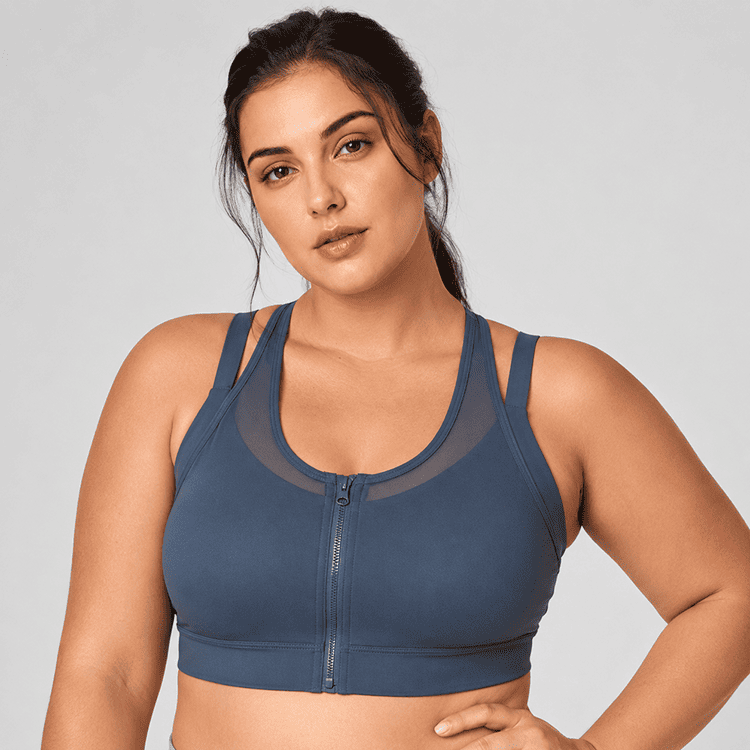
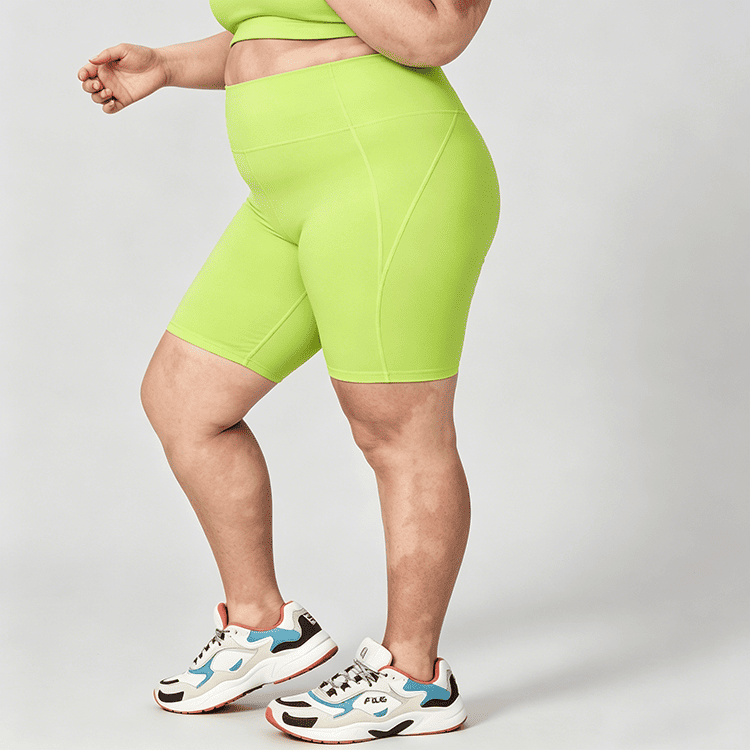
A larger factory does not automatically produce better plus size leggings.
In fact, some smaller specialized manufacturers outperform larger facilities because they possess:
- Better pattern development expertise
- Stronger communication
- More flexible production systems
- Greater focus on inclusive sizing
For buyers, the most important question is not:
“How large is the factory?”
The more important question is:
“How well does the factory understand plus size product development?”
The answer often determines product success far more than factory size, production volume, or pricing structure.

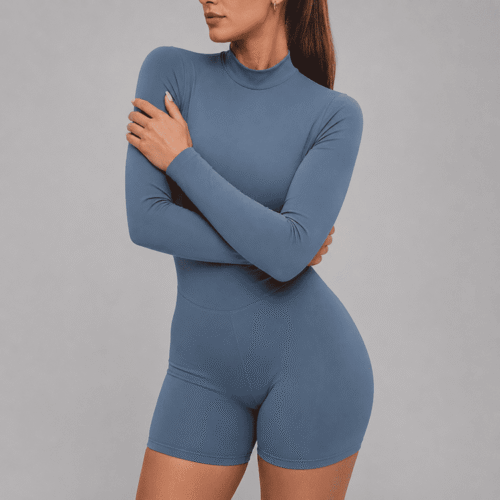
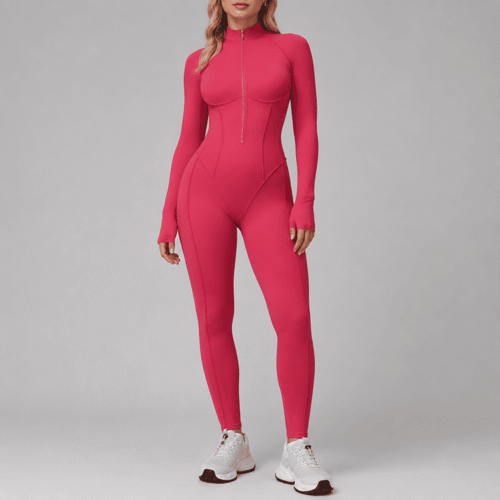
Custom Women’s Long Sleeve Yoga Jumpsuit OEM ODM Mock Neck Activewear Romper
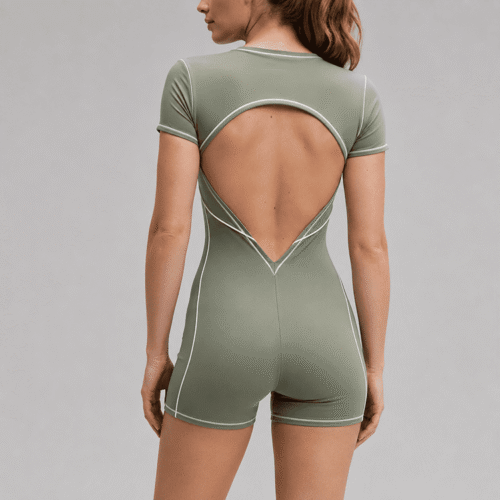
Custom Women’s Open Back Yoga Jumpsuit OEM ODM Activewear Romper
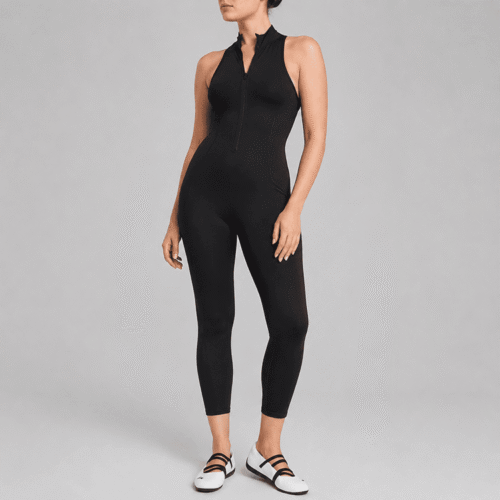
Custom Women’s Sleeveless Zip Front Yoga Jumpsuit OEM ODM Sculpting Activewear
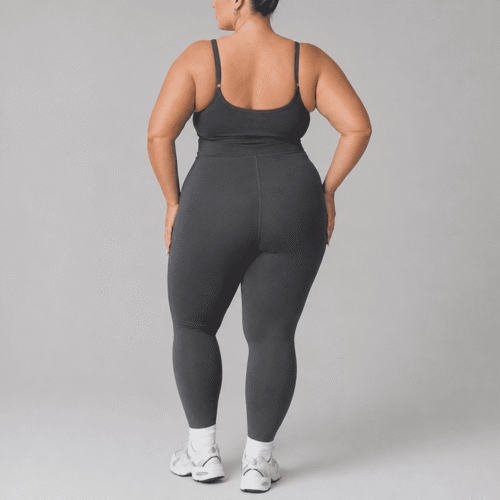
Custom Women’s Spaghetti Strap Yoga Jumpsuit OEM ODM Sculpting Activewear
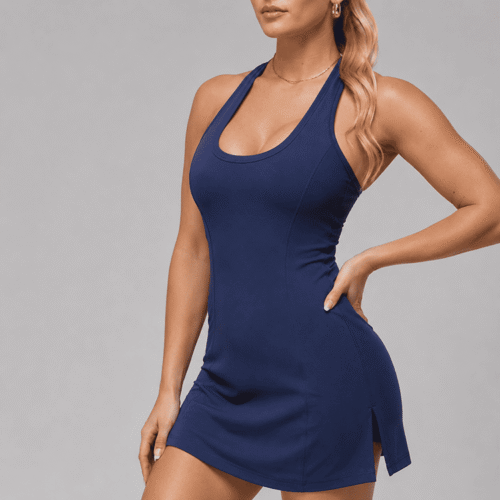
Custom Women’s Tennis Activewear Dress OEM ODM Fitness Sports Dress
Custom Women’s Zip Front Long Sleeve Yoga Jumpsuit OEM ODM Sculpting Activewear
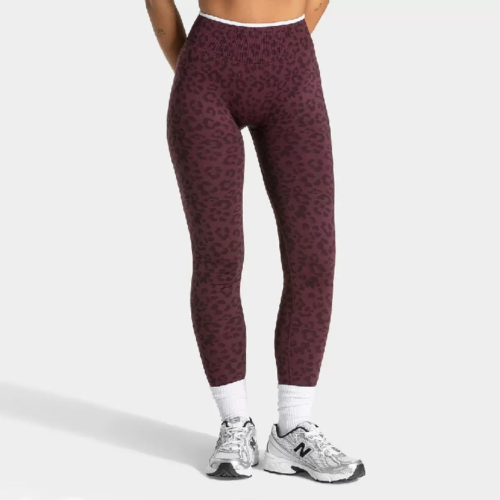
Custom Yoga Leggings – High Waist Seamless Workout Pants OEM/ODM
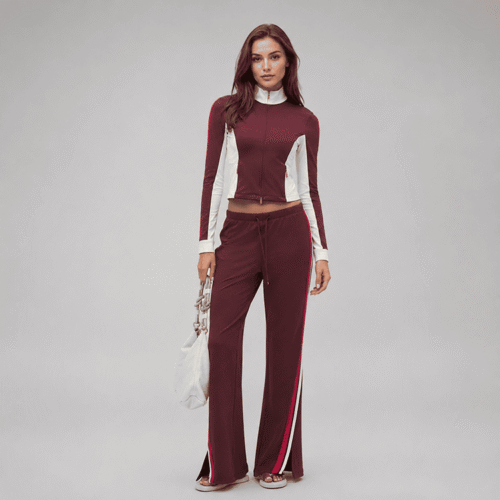
OEM Women’s Activewear Set Custom Zip-Up Jacket & Wide Leg Workout Pants
How Much Do Wholesale Plus Size Leggings Cost in China?
Pricing remains one of the most important considerations when sourcing plus size leggings, but many buyers focus too heavily on unit cost while overlooking the factors that actually determine profitability.
The most successful brands do not simply look for the lowest manufacturing price. Instead, they evaluate the relationship between cost, quality, fit consistency, customer satisfaction, and long-term scalability. A product that costs one dollar less to manufacture but generates significantly higher return rates is rarely the better business decision.
Understanding how pricing works allows buyers to build realistic budgets, compare suppliers more accurately, and avoid unexpected expenses later in the sourcing process.
What Is the Typical Wholesale Price of Plus Size Leggings in China?
Wholesale pricing varies depending on fabric quality, construction complexity, order quantity, and customization requirements.
The following ranges provide general market guidance:
| Product Category | Typical FOB Price (USD) |
|---|---|
| Basic Plus Size Leggings | $4–7 |
| Mid-Range Performance Leggings | $7–12 |
| Compression Leggings | $9–15 |
| Premium Performance Leggings | $12–20+ |
| Sustainable Plus Size Leggings | $13–22+ |
These prices should be viewed as reference points rather than fixed market standards.
Actual quotations vary based on:
- Fabric specifications
- Order quantity
- Printing methods
- Packaging requirements
- Branding requirements
- Certification requirements
Fabric Type vs Price Comparison
Fabric selection is often the largest contributor to manufacturing cost.
Entry-Level Fabrics
Commonly used for:
- Budget collections
- Promotional programs
- Entry-level activewear
Examples:
- Polyester Spandex
- Standard Interlock Fabrics
Advantages:
- Lower cost
- Easy sourcing
- Wide availability
Limitations:
- Less compression support
- Reduced premium feel
Mid-Range Performance Fabrics
Commonly used for:
- DTC brands
- Fitness collections
- General activewear
Examples:
- Nylon Spandex
- Brushed Performance Fabrics
- Double-Knit Constructions
Advantages:
- Better stretch recovery
- Improved comfort
- Enhanced durability
Premium Performance Fabrics
Commonly used for:
- Premium activewear brands
- Technical training apparel
- Specialized performance programs
Examples:
- High Compression Fabrics
- Premium Nylon Elastane
- Advanced Cooling Fabrics
Advantages:
- Superior support
- Better recovery
- Enhanced performance
Sustainable Fabrics
Increasingly popular among premium buyers.
Examples:
- Recycled Nylon
- Recycled Polyester
- GRS-Certified Fabrics
Advantages:
- Sustainability positioning
- Premium brand value
- Consumer appeal
Potential limitations:
- Higher cost
- Longer sourcing timelines
How Does MOQ Affect Pricing?
MOQ influences pricing because development costs must be distributed across production units.
Consider the following simplified example:
| Order Quantity | Estimated Cost Trend |
|---|---|
| 50 pcs | Highest Unit Cost |
| 100 pcs | Moderate |
| 300 pcs | Lower |
| 500 pcs | Competitive |
| 1000+ pcs | Most Efficient |
However, lower unit cost does not always mean lower business risk.
Ordering excessive inventory simply to reduce manufacturing costs can create:
- Overstock
- Cash flow pressure
- Inventory management challenges
Many successful brands intentionally accept slightly higher unit costs during early growth stages to maintain flexibility.
Hidden Costs Buyers Often Miss
Many sourcing budgets underestimate total project costs because they focus only on manufacturing quotations.
Common overlooked expenses include:
Sample Development
- Multiple sample rounds
- Pattern revisions
- Fit adjustments
Logistics
- Air freight
- Sea freight
- Customs duties
- Warehousing
Quality Assurance
- Third-party inspections
- Fabric testing
- Compliance verification
Product Launch Preparation
- Photography samples
- Marketing samples
- Retail packaging
Experienced sourcing teams evaluate total landed cost rather than FOB price alone, you can check the 2026 activewear factory sourcing report for full cost analysis standards.
What Customization Features Increase Costs?
Customization adds value but also affects pricing.
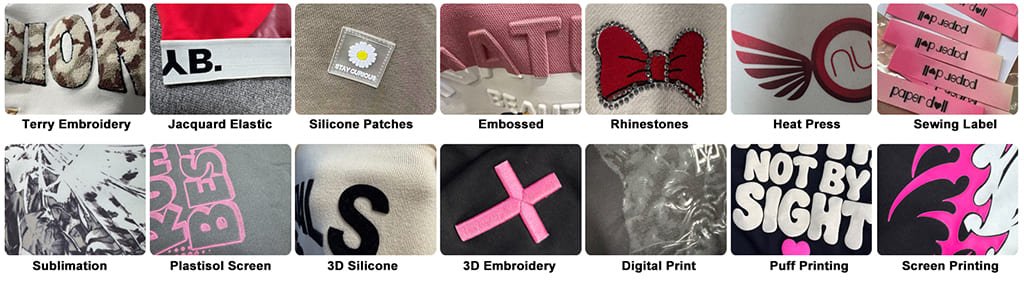
Common cost drivers include:
Printing
- Screen Printing
- Heat Transfer
- Silicone Printing
- Reflective Graphics
Branding
- Main Labels
- Care Labels
- Size Labels
- Woven Labels
Packaging
- Custom Polybags
- Hangtags
- Retail Boxes
- Barcode Systems
Construction Features
- Hidden Pockets
- Mesh Panels
- Bonded Seams
- Compression Zones
The key is ensuring that each customization feature supports brand positioning rather than adding unnecessary complexity.

Common Sourcing Mistakes Buyers Make When Choosing a Plus Size Leggings Manufacturer
Poor supplier selection decisions will negatively impact product quality, corporate profits and brand image.
The majority of operational issues stem from several common, repeated pitfalls.
Choosing Suppliers Based Only on Price
Price is important.
However, choosing suppliers solely because they offer the lowest quotation often creates larger costs later.
Common consequences include:
- Higher defect rates
- Delayed deliveries
- Poor fit consistency
- Increased returns
The lowest-cost supplier rarely provides the highest overall value.
Assuming All Plus Size Manufacturers Have Similar Expertise
This is one of the most expensive assumptions buyers make.
Many factories produce plus size garments.
Far fewer understand:
- Plus size grading
- Compression balance
- Fabric recovery
- Fit testing
The difference becomes visible after products reach consumers.
Ignoring Fit Validation
Some buyers rush through sampling to accelerate product launches.
Unfortunately, inadequate fit testing often leads to:
- Customer complaints
- Product returns
- Negative reviews
Investing additional time during development typically produces better long-term results.
Focusing Only on Launch Orders
Many brands evaluate suppliers based on initial orders.
However, long-term success depends on repeatability.
Important questions include:
- Can the supplier maintain fabric consistency?
- Can production scale?
- Can lead times remain stable?
A supplier that performs well today but struggles during future growth can become a significant operational risk.
Neglecting Communication Quality
Strong communication often predicts strong production outcomes.
Warning signs include:
- Slow responses
- Vague answers
- Poor technical understanding
- Limited transparency
Manufacturing problems frequently originate from communication failures rather than production failures.
Frequently Asked Questions About Wholesale Plus Size Leggings Manufacturers in China
Who Is the Best Wholesale Plus Size Leggings Manufacturer in China?
There is no single manufacturer that fits every buyer.
The best choice depends on:
- Order volume
- Product complexity
- Size range requirements
- Growth objectives
Brands focused on inclusive activewear should prioritize suppliers with proven plus size expertise rather than relying solely on factory size or pricing.
What Is a Reasonable MOQ for Startup Brands?
Many startup-friendly manufacturers offer MOQs between 50 and 100 pieces per style.
Lower MOQs reduce inventory risk and allow brands to validate demand before scaling production.
How Long Does Plus Size Leggings Sampling Usually Take?
Most activewear manufacturers require:
- 3–12 days for initial samples
- Additional time for revisions
The timeline depends on:
- Fabric availability
- Pattern complexity
- Customization requirements
Are Chinese Manufacturers Able to Produce Sizes Up to 6XL?
Many activewear factories can technically produce sizes up to 6XL.
However, buyers should verify whether suppliers use dedicated plus size pattern development methods rather than simple grading expansion.
Which Fabric Is Best for Plus Size Leggings?
The answer depends on the intended use.
| Use Case | Recommended Fabric |
|---|---|
| Yoga | Brushed Nylon Spandex |
| Training | Compression Knit |
| Everyday Wear | Nylon Spandex |
| Premium Collections | High-Compression Nylon |
| Sustainable Collections | Recycled Nylon |
The ideal fabric balances comfort, durability, support, and price.
Are Sustainable Plus Size Leggings Available?
Yes.
Many Chinese manufacturers now offer:
- Recycled Nylon
- Recycled Polyester
- GRS-Certified Materials
- Eco-Friendly Packaging
Sustainability is increasingly becoming a standard expectation rather than a niche feature.
Which Certifications Should Buyers Look For?
Common certifications include:
- ISO9001
- BSCI
- GRS
- OEKO-TEX
- WRAP
The relevance of each certification depends on the target market and brand requirements.
Is China Still the Best Country for Plus Size Leggings Manufacturing?
For many brands, yes.
China continues to offer advantages in:
- Product development expertise
- Activewear-specific supply chains
- Fabric innovation
- MOQ flexibility
- Production scalability
While alternative sourcing destinations continue to grow, China remains one of the most comprehensive options for brands building long-term plus size activewear programs.
Final Thoughts
Finding the right wholesale plus size leggings manufacturer requires more than comparing quotations or reviewing supplier websites, cross-reference supplier audit standards via Fibre2Fashion global apparel sourcing platform for more industry evaluation rules. The most successful sourcing decisions are based on a deeper understanding of fit development, fabric performance, quality systems, communication standards, and long-term scalability.
The strongest suppliers are not necessarily the largest factories or the lowest-cost producers. They are manufacturers capable of consistently delivering products that meet consumer expectations while supporting a brand’s growth over time.
For buyers assessing suppliers based in China, the best practice is to evaluate manufacturers by measuring business compatibility, technical know-how and operational trustworthiness. Companies that value these key elements tend to cultivate more robust product lines, cut sourcing-related risks, and build a steadier base for lasting, sustainable development.