OEM/ODM Sportswear Manufacturer | 3-Day Sampling | Low MOQ | 50K Monthly Capacity | ISO9001 & BSCI Certified

Top Plus Size Leggings Manufacturers in China: Supplier Comparison & Sourcing Guide for Activewear Brands
Compare the top plus size leggings manufacturers in China. Discover supplier strengths, factory specializations, sourcing insights, and evaluation criteria to help activewear brands select the right manufacturing partner and build stronger product collections.
Top Plus Size Leggings Manufacturers in China: Supplier Comparison & Sourcing Guide for Activewear Brands
The global activewear industry is no longer focused solely on performance or fashion. Today, one of the fastest-growing segments is inclusive activewear, particularly plus size leggings. As consumers demand better fit, greater comfort, and broader size accessibility, brands are investing heavily in product categories designed specifically for extended-size customers. Recent Global activewear market research continues to show strong growth in inclusive activewear categories and increasing consumer demand for extended sizing.
This shift has created a new challenge for buyers. Not every activewear factory has the technical expertise required to produce high-quality plus size leggings. Many manufacturers can make standard leggings, but far fewer understand the complexities of size grading, fabric recovery, waistband engineering, and fit consistency across extended size ranges. Choosing the wrong supplier can lead to sizing issues, increased return rates, poor customer reviews, and costly product revisions.
China remains one of the most important sourcing destinations for plus size leggings because of its mature activewear supply chain, advanced fabric ecosystem, experienced development teams, and scalable production capacity. However, manufacturers vary significantly in their capabilities. The best suppliers are those that combine technical expertise, quality consistency, strong communication, and long-term scalability rather than simply offering the lowest price.
We compare top Chinese plus-size leggings makers in this guide, break down the gaps between dedicated specialist suppliers and regular activewear factories, and offer hands-on advice for brands to optimize their sourcing decisions.
Top Plus Size Leggings Manufacturers in China at a Glance
Brands evaluating suppliers often discover that factories have different strengths. Some focus on startup-friendly flexibility, while others are optimized for large-scale retail production. Some specialize in sustainable fabrics, while others are known for technical activewear development.
The goal is not to identify a single “best” manufacturer. The goal is to identify the supplier whose capabilities align most closely with your business model, product positioning, and growth objectives.
Quick Comparison of Selected Manufacturers
| Manufacturer | Location | Main Focus | Size Range Capability | Export Experience | Best For |
|---|---|---|---|---|---|
| Dongguan Pair Fashion | Dongguan | Inclusive Activewear | Extensive | Strong | Startup & Growth Brands |
| Berunwear | Xiamen | Performance Sportswear | Standard to Extended | Strong | Running & Training Brands |
| Aika Sportswear | Dongguan | Fitness Apparel | Standard to Extended | Strong | Gym Wear Brands |
| Ingor Sportswear | Guangzhou | Sustainable Activewear | Standard to Extended | Strong | Eco-Focused Brands |
| Hucai Sportswear | Dongguan | Large-Scale Production | Standard to Extended | Extensive | Established Brands |
| SGL Sports | Guangzhou | Custom Sportswear | Standard to Extended | Strong | Private Label Projects |
| Biying Sportswear | Dongguan | Yoga Apparel | Standard to Extended | Strong | Yoga Brands |
| Yotex Apparel | Guangzhou | DTC Activewear | Standard to Extended | Strong | Ecommerce Brands |
| ZYP Clothing | Shenzhen | Leggings Manufacturing | Extensive | Strong | Leggings Specialists |
| Arabella Clothing | Xiamen | Startup Programs | Standard to Extended | Strong | New Brands |
Which Manufacturers Are Most Suitable for Startups?
New brands often prioritize:
- Lower development risk
- Responsive communication
- Flexible order quantities
- Product development support
- Faster decision-making
Factories that regularly work with startups typically provide more guidance during the sourcing process.
Which Manufacturers Are Better for Established Brands?
Larger brands generally prioritize:
- Production scalability
- Compliance systems
- Supply chain stability
- Consistent quality control
- Long-term manufacturing reliability
Their supplier selection process often focuses more on operational performance than initial pricing.
Why Comparison Matters More Than Rankings
Many sourcing articles attempt to identify a single “best” manufacturer. In reality, supplier suitability depends heavily on:
- Product category
- Brand positioning
- Sales channels
- Order volume
- Growth stage
A supplier that is ideal for a startup may not be ideal for a large retail program, and vice versa.
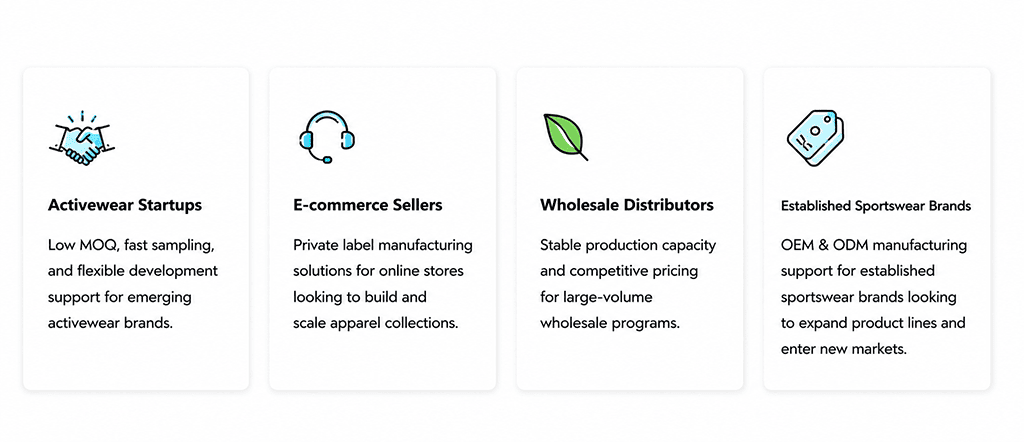
Top 10 Plus Size Leggings Manufacturers in China
The manufacturers listed below have been shortlisted by evaluating publicly accessible data covering activewear expertise, export track records, product ranges, production capacity, and alignment with brands looking to source plus-size leggings.
1. Dongguan Pair Fashion Co., Ltd.
Location: Dongguan, Guangdong
Founded: 2016
Main Product Categories
- Plus Size Leggings
- Plus Size Sports Bras
- Inclusive Activewear
- Maternity Activewear
- Muslim Sportswear
- Tennis Apparel
- Yoga Apparel
Certifications
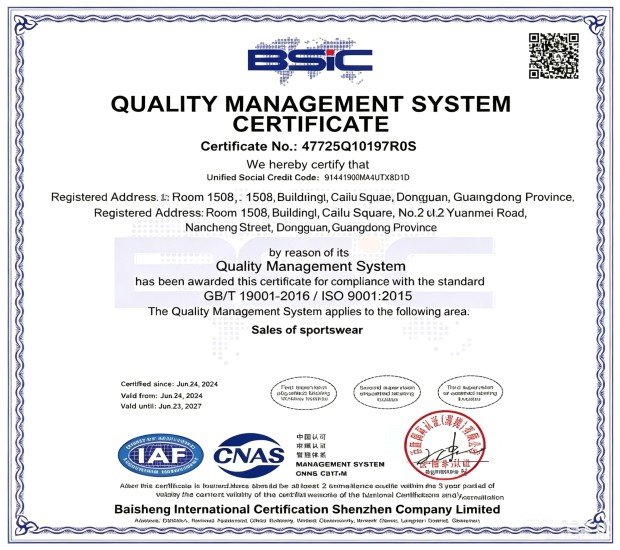
- ISO9001
- BSCI
- GRS
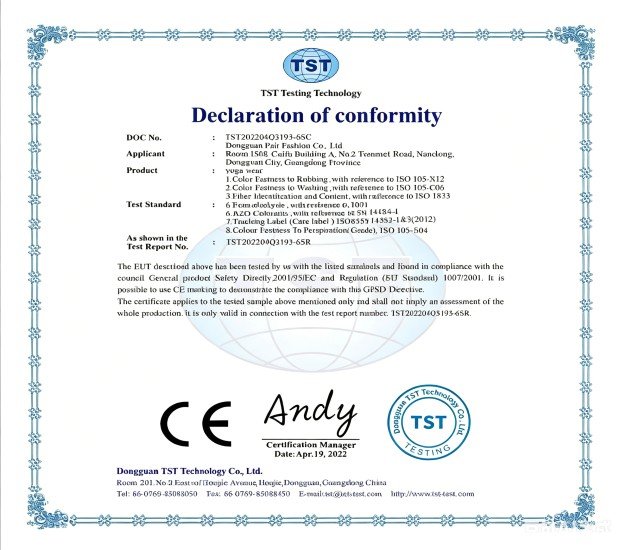
- CE
- ROHS
Primary Export Markets
- United States
- Canada
- United Kingdom
- Australia
- Europe
Suitable For
- Startup Activewear Brands
- Growing DTC Brands
- Inclusive Activewear Labels
- Boutique Retail Programs
Buyer Considerations
Pair Fashion focuses heavily on inclusive activewear categories, making it particularly relevant for brands developing plus size, maternity, or modest sportswear collections. Buyers seeking broad customization options and activewear specialization may find its product portfolio aligned with niche market opportunities.
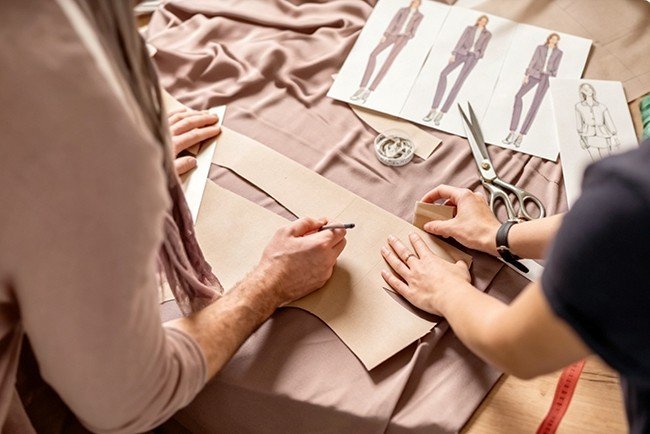
Why Brands Choose Pair Fashion
Many brands struggle with slow sampling, unstable quality, delayed delivery and unreliable suppliers.
- Slow sampling cycles
- Production inconsistency
- Poor communication
- Logistics complexity
- No after-sales support
- Can’t design products.
2. Berunwear
Location: Xiamen, Fujian
Founded: 2008
Main Product Categories
- Running Apparel
- Compression Wear
- Sports Leggings
- Training Apparel
- Activewear Sets
Primary Export Markets
- North America
- Europe
- Australia
Suitable For
- Performance Sports Brands
- Running Apparel Companies
- Training Wear Programs
Buyer Considerations
Berunwear has extensive experience in technical sportswear manufacturing. Buyers focused on plus size categories should confirm the factory’s experience with extended-size development and fit testing during supplier evaluation.
3. Aika Sportswear
Location: Dongguan, Guangdong
Founded: 2008
Main Product Categories
- Gym Wear
- Leggings
- Sports Bras
- Hoodies
- Fitness Apparel
Primary Export Markets
- United States
- Europe
- Australia
Suitable For
- Fitness Brands
- Gym Apparel Collections
- Private Label Sportswear Programs
Buyer Considerations
Aika is recognized within the fitness apparel sector and offers a broad range of activewear products. Buyers developing extended-size collections should evaluate sample quality and fit consistency during product development.
4. Ingor Sportswear
Location: Guangzhou, Guangdong
Founded: 2009
Main Product Categories
- Sustainable Activewear
- Yoga Apparel
- Eco-Friendly Leggings
- Recycled Fabric Products
Certifications
- GRS
- OEKO-TEX
Suitable For
- Sustainability-Focused Brands
- Premium Activewear Labels
- Environmentally Conscious Retailers
Buyer Considerations
Ingor is frequently evaluated by brands prioritizing sustainable sourcing and recycled materials. Its product development approach often appeals to companies seeking environmentally responsible manufacturing partners.
5. Hucai Sportswear
Location: Dongguan, Guangdong
Founded: 1998
Main Product Categories
- Teamwear
- Activewear
- Sports Uniforms
- Training Apparel
Primary Export Markets
- North America
- Europe
- Asia-Pacific
Suitable For
- Large Retail Programs
- Established Brands
- High-Volume Buyers
Buyer Considerations
With a long operating history and large-scale manufacturing capabilities, Hucai is often considered by brands seeking production stability and larger-volume sourcing solutions.
What Buyers Should Learn from These Five Manufacturers
The first five manufacturers illustrate an important sourcing principle:
Not all activewear factories are positioned the same way.
Some prioritize:
- Product specialization
- Inclusive sizing
- Sustainability
- Technical performance
Others prioritize:
- Production scale
- Operational efficiency
- Broad product portfolios
Understanding these differences can significantly improve supplier selection decisions and reduce sourcing risk.
The next five manufacturers continue this comparison and further demonstrate how different suppliers serve different market segments.
6. SGL Sports
Location: Guangzhou, Guangdong
Main Product Categories
- Custom Activewear
- Fitness Apparel
- Sports Sets
- Leggings
- Teamwear
Primary Export Markets
- North America
- Europe
- Australia
Suitable For
- Private Label Programs
- Fitness Apparel Brands
- Sportswear Startups
Buyer Considerations
SGL Sports offers a broad activewear product portfolio and serves brands looking to develop custom sportswear collections. Buyers should evaluate the supplier’s experience with extended-size development if plus size leggings are a core product category.
7. Biying Sportswear
Location: Dongguan, Guangdong
Main Product Categories
- Yoga Leggings
- Sports Bras
- Fitness Tops
- Yoga Apparel
Primary Export Markets
- United States
- Canada
- Europe
Suitable For
- Yoga Brands
- Boutique Fitness Labels
- Wellness-Focused Collections
Buyer Considerations
Biying’s focus on yoga apparel makes it attractive for brands targeting studio fitness consumers. Buyers should review available size ranges and fit development processes when sourcing plus size products.
8. Yotex Apparel
Location: Guangzhou, Guangdong
Main Product Categories
- Activewear
- Athleisure
- Lifestyle Sportswear
- Fitness Apparel
Primary Export Markets
- North America
- Europe
- Australia
Suitable For
- Ecommerce Brands
- DTC Activewear Companies
- Growing Product Collections
Buyer Considerations
Yotex works with brands across multiple activewear categories and is often considered by online-first businesses seeking flexible development support.
9. ZYP Clothing
Location: Shenzhen, Guangdong
Main Product Categories
- Leggings
- Sports Bras
- Fitness Apparel
- Activewear Sets
Primary Export Markets
- United States
- Europe
- Australia
Suitable For
- Leggings-Focused Brands
- Fitness Apparel Programs
- Private Label Activewear
Buyer Considerations
Because leggings are a major category within its product portfolio, ZYP is frequently evaluated by brands prioritizing leggings development and category expansion.
10. Arabella Clothing
Location: Xiamen, Fujian
Main Product Categories
- Fitness Apparel
- Yoga Wear
- Activewear Collections
- Athleisure Products
Primary Export Markets
- North America
- Europe
- Australia
Suitable For
- Startup Brands
- Emerging Activewear Labels
- Ecommerce Businesses
Buyer Considerations
Arabella provides a broad activewear offering and is often considered by brands launching new collections or expanding into activewear categories.
Comparing Different Types of Manufacturers
One of the most valuable lessons buyers can learn is that manufacturers typically fall into different categories.
Inclusive Activewear Specialists
These suppliers focus on:
- Plus Size Activewear
- Maternity Activewear
- Modest Sportswear
- Extended Size Development
They often possess stronger expertise in:
- Pattern grading
- Fit consistency
- Size inclusivity
General Activewear Manufacturers
These suppliers typically offer:
- Broad product portfolios
- Large production capabilities
- Multiple sportswear categories
They may be well suited for brands sourcing across many product categories simultaneously.
Performance Sportswear Manufacturers
These factories prioritize:
- Compression products
- Technical fabrics
- Training apparel
- Performance-focused garments
Sustainability-Focused Manufacturers
These suppliers emphasize:
- Recycled materials
- Eco-friendly production
- Environmental certifications
Understanding which category best matches your brand’s goals can significantly simplify the supplier selection process.
China vs Vietnam vs Turkey vs India for Plus Size Leggings Sourcing
Brands exploring global sourcing options frequently compare China with other major manufacturing countries.
Each market offers unique advantages, but their suitability varies depending on product complexity, development requirements, and growth objectives.
Country Comparison Overview
| Factor | China | Vietnam | Turkey | India |
| Activewear Expertise | Excellent | Good | Moderate | Moderate |
| Plus Size Development | Strong | Limited | Moderate | Limited |
| Fabric Availability | Excellent | Good | Moderate | Moderate |
| Development Support | Excellent | Moderate | Moderate | Limited |
| Scalability | Excellent | Good | Moderate | Good |
| Sustainability Options | Excellent | Good | Moderate | Moderate |
| Supplier Diversity | Excellent | Good | Moderate | Good |
China: Best for Development and Long-Term Growth
China remains one of the strongest options for brands requiring:
- Product development support
- Technical activewear expertise
- Specialized fabrics
- Broad supplier selection
For plus size leggings specifically, China’s experience with performance fabrics and extended-size development often creates advantages that are difficult to replicate elsewhere.
Vietnam: Strong Manufacturing Execution
Vietnam has become a major apparel sourcing destination due to its export-oriented manufacturing sector.
Strengths include:
- Competitive labor costs
- Strong manufacturing discipline
- Growing activewear production
However, brands may encounter fewer suppliers focused specifically on plus size activewear development.
Turkey: Geographic Advantage for Europe
Turkey offers several advantages for European brands.
Benefits include:
- Shorter shipping distances
- Faster transit times
- Strong textile heritage
Turkey can be attractive for brands prioritizing proximity and shorter replenishment cycles.
India: Broad Apparel Manufacturing Base
India remains highly competitive in several apparel categories.
Strengths include:
- Large workforce
- Diverse textile sector
- Competitive manufacturing costs
For highly technical activewear products, supplier capabilities may vary significantly, making careful evaluation particularly important.
Which Country Is Best for Different Brand Types?
Startup Activewear Brands
Often benefit from:
- Strong development support
- Flexible production
- Broad supplier options
China frequently performs well in these areas.
Growing DTC Brands
Typically require:
- Consistent quality
- Product expansion opportunities
- Supply chain scalability
China and Vietnam are commonly evaluated during this stage.
Established Retail Programs
Often prioritize:
- Production stability
- Compliance systems
- Large-scale capacity
China, Vietnam, and Turkey may all be viable options depending on product requirements.
Inclusive Activewear Specialists
Brands focused on:
- Plus Size Apparel
- Maternity Activewear
- Extended Sizing
often place greater emphasis on development expertise and fit capabilities than purely on manufacturing cost.
For these categories, supplier specialization frequently matters more than country alone.
Why China Has Become the Global Hub for Plus Size Activewear Manufacturing
China’s dominance in activewear manufacturing is frequently credited to its massive production capacity. Though large-scale output undoubtedly matters, there are far more multifaceted factors behind most brands’ decision to keep sourcing their goods from China.
China offers one of the world’s most complete activewear ecosystems, allowing brands to move from concept to finished product within a highly integrated supply chain.
A Deep and Specialized Textile Industry
Unlike many manufacturing regions that focus primarily on garment assembly, China possesses a mature textile ecosystem.
Brands sourcing plus size leggings can access:
- Performance nylon suppliers
- Compression fabric mills
- Seamless knitting factories
- Sustainable textile producers
- Dyeing and finishing specialists
This concentration of resources allows manufacturers to develop products more efficiently and solve technical challenges faster.
Extensive Experience with Activewear Categories
Over the last two decades, China has become one of the largest production bases for:
- Yoga Apparel
- Fitness Wear
- Running Apparel
- Tennis Apparel
- Athleisure Collections
As a result, many manufacturers possess extensive experience with:
- Four-way stretch fabrics
- Compression garments
- Moisture management systems
- Advanced sewing techniques
These capabilities are particularly valuable when producing plus size leggings, where fabric performance and fit consistency are critical.
Strong Product Development Infrastructure
Many successful activewear brands rely heavily on supplier collaboration.
China’s manufacturing ecosystem often provides access to:
- Pattern makers
- Fabric specialists
- Product developers
- Sampling teams
This infrastructure can help brands accelerate development timelines and improve product quality before launch.
Supply Chain Efficiency
China’s apparel clusters create logistical advantages.
Within a relatively small geographic area, brands can access:
- Fabric suppliers
- Printing facilities
- Trim manufacturers
- Packaging companies
- Freight partners
This reduces coordination complexity and often shortens development cycles.
Scalability for Brand Growth
Many brands start with relatively small production runs before expanding.
One reason China remains attractive is its ability to support growth across multiple stages:
| Business Stage | Typical Manufacturing Need |
|---|---|
| Startup | Flexibility & Development |
| Growth | Consistent Production |
| Expansion | Scalable Capacity |
| Established | Supply Chain Stability |
Manufacturers capable of supporting multiple stages often become valuable long-term partners. Brands seeking a specialized plus size activewear manufacturing partner often prioritize suppliers with proven experience in extended sizing, fabric development, and inclusive product categories.
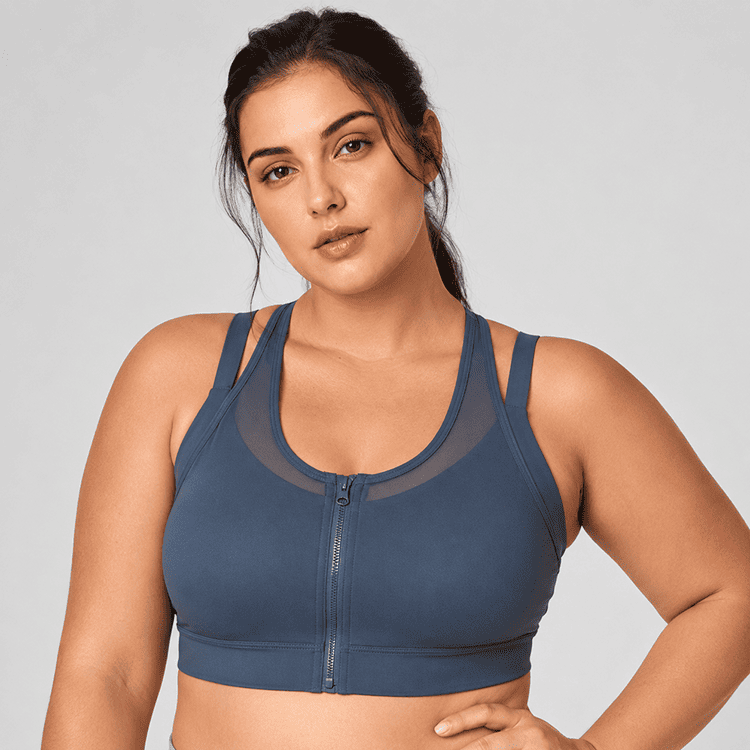
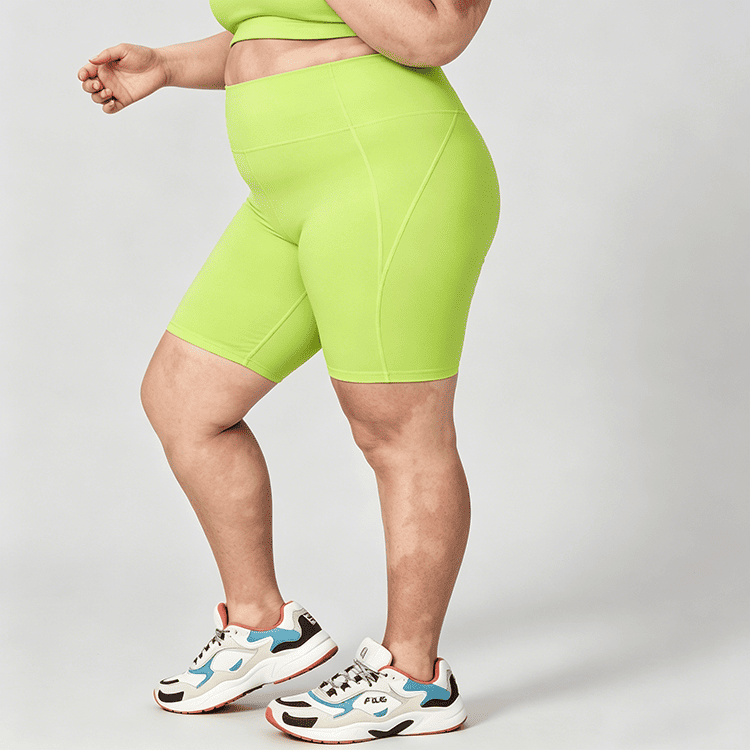
What Makes Plus Size Leggings Manufacturing Different from Standard Leggings?
Many buyers assume that producing plus size leggings simply requires enlarging a standard-size pattern. This is one of the most common misconceptions in activewear manufacturing. In reality, successful plus size leggings development requires a different technical approach, more extensive fit testing, and a deeper understanding of how fabrics behave across multiple body shapes and size ranges.
Manufacturers that treat plus size leggings as scaled-up versions of standard products often encounter issues with fit, comfort, durability, and customer satisfaction. By contrast, factories with genuine plus size development experience typically invest more heavily in pattern engineering, grading systems, and performance testing.
Why Extended Sizing Is More Complex Than Many Buyers Expect
The challenge begins with body proportions.
As sizing increases, body measurements do not grow proportionally in every area. The relationship between waist, hips, thighs, calves, rise depth, and compression requirements changes significantly.
A grading system that works well between Small and Large may perform poorly when expanded to:
- XXL
- 3XL
- 4XL
- 5XL
- 6XL
This is why experienced plus size manufacturers often use grading methods specifically developed for extended-size collections rather than simply enlarging existing patterns.
Fabric Behavior Changes Across Different Sizes
Another factor often overlooked is fabric performance.
Consumers typically evaluate leggings based on:
- Stretch
- Comfort
- Compression
- Opacity
- Recovery
However, these characteristics can behave differently as garment dimensions increase.
For example:
A fabric that provides ideal compression in a Medium size may feel restrictive in a 4XL garment if the pattern and construction are not properly adjusted.
Likewise, a fabric that appears fully opaque in smaller sizes may become transparent during movement in larger sizes.
Manufacturers with extensive plus size experience often conduct additional testing to ensure fabric performance remains consistent across the entire size range.
Compression Distribution Becomes More Important
Compression is frequently promoted as a key performance feature.
However, compression should never be uniform across all body types.
Effective compression requires balance.
Too much compression can create:
- Discomfort
- Restricted movement
- Waistband rolling
- Fabric stress
Too little compression may result in:
- Poor support
- Reduced shaping effect
- Lower perceived quality
The most successful manufacturers understand how to adjust garment construction and fabric selection to create a balanced wearing experience.
Why Fit Consistency Impacts Brand Reputation
Consumers rarely compare a product against the factory’s specifications.
Instead, they compare it against expectations.
If one customer purchases a size XL and another purchases a size 4XL, both expect:
- Similar comfort
- Similar support
- Similar appearance
- Similar confidence
Delivering this consistency is one of the biggest challenges in plus size activewear manufacturing.
Brands that achieve it often enjoy:
- Better reviews
- Lower return rates
- Higher customer retention
- Stronger word-of-mouth marketing
What Separates a True Plus Size Specialist from a General Activewear Factory?
Not every activewear manufacturer is a plus size specialist.
While some manufacturers concentrate mainly on regular-size lines and only make extended-size items on an ad-hoc basis, others treat plus-size ranges as a core product segment and invest heavily in their development and production.
Understanding the difference can help buyers avoid costly sourcing mistakes.
Extended Size Pattern Development Expertise
One of the clearest indicators of specialization is pattern development capability.
General factories often rely on existing grading rules.
Specialized factories frequently develop:
- Dedicated plus size blocks
- Extended-size grading systems
- Customized fit frameworks
This creates a more consistent wearing experience across the size range.
Multiple Body Shape Evaluation
Extended sizing is not only about larger measurements.
Consumers within the same size category can have very different body shapes.
Experienced suppliers understand the importance of evaluating products across:
- Different hip profiles
- Different waist distributions
- Different thigh proportions
- Different height ranges
This approach often produces more reliable fit outcomes.
Waistband Engineering Knowledge
Many consumer complaints originate from waistband performance.
Common issues include:
- Rolling
- Digging
- Sliding
- Uneven pressure
Specialized manufacturers typically pay close attention to:
- Waistband height
- Elastic placement
- Compression zones
- Fabric layering
These details can significantly influence customer satisfaction.
Fabric Recovery Understanding
Stretch alone is not enough.
Recovery determines how well a garment maintains its shape after repeated wear.
Factories with deeper plus size expertise often place greater emphasis on:
- Recovery testing
- Durability evaluation
- Long-term wear performance
This becomes particularly important for brands positioning themselves in premium market segments.
Experience with Inclusive Product Categories
Many of the strongest plus size manufacturers also work in related categories such as:
- Maternity Activewear
- Modest Sportswear
- Adaptive Apparel
- Inclusive Fitness Wear
This broader experience often strengthens their understanding of fit challenges and consumer expectations.
Common Mistakes Brands Make When Comparing Plus Size Leggings Manufacturers
Supplier evaluation can be overwhelming, especially for newer brands. Many buyers focus on the wrong criteria and overlook factors that have a greater impact on long-term success.
The following mistakes are among the most common.
Choosing Based Only on Price
Low prices attract attention.
However, the lowest quotation does not necessarily create the lowest total cost.
Poor-quality products can lead to:
- Product returns
- Negative reviews
- Replacements
- Customer service costs
The true cost of manufacturing extends far beyond the initial unit price.
Ignoring Fit Development Capabilities
Some buyers spend significant time comparing factories but never ask detailed questions about fit development.
This can be a costly oversight.
Before selecting a supplier, brands should understand:
- How sizing is developed
- How grading is performed
- How fit issues are addressed
- What testing methods are used
These factors often influence product performance more than manufacturing scale.
Overlooking Fabric Recovery Performance
Fabric selection is frequently discussed.
Fabric recovery is often ignored.
Recovery affects:
- Shape retention
- Compression consistency
- Long-term durability
Buyers should ask suppliers how recovery performance is evaluated during development.
Failing to Verify Plus Size Experience
A supplier may produce leggings without possessing significant plus size expertise.
Brands should look for evidence such as:
- Existing plus size products
- Extended-size collections
- Relevant case studies
- Size range experience
Past experience often provides valuable insight into future performance.
Comparing Factories Without a Structured Evaluation System
Many sourcing decisions are based on impressions rather than data.
A structured evaluation system helps buyers compare suppliers more effectively.
Example evaluation criteria:
| Evaluation Area | Importance |
|---|---|
| Plus Size Expertise | Very High |
| Fit Consistency | Very High |
| Communication Quality | High |
| Product Development Support | High |
| Quality Control | High |
| Supply Chain Stability | High |
| Sustainability Capability | Medium |
| Production Capacity | Medium |
| Price | Medium |
This approach creates a more balanced assessment than focusing on a single factor.
This approach helps reduce emotional decision-making and improves supplier selection accuracy.
Using a structured supplier evaluation framework for activewear brands helps buyers compare vendors objectively and reduce sourcing risks when building a long-term supply chain.
How Leading Activewear Brands Evaluate Manufacturing Partners
The most successful activewear brands rarely select suppliers based on quotations alone.
Instead, they evaluate manufacturers through a broader strategic lens.
Product Development Capability
Leading brands ask:
- Can the supplier solve problems?
- Can the supplier improve products?
- Can the supplier recommend better solutions?
Manufacturers that contribute expertise often become long-term partners rather than simple vendors. Many brands begin by comparing multiple suppliers before selecting a trusted custom activewear manufacturer in China capable of supporting long-term growth.
Long-Term Scalability
Brands grow.
Manufacturing needs evolve.
A supplier that supports current requirements may not support future growth.
Successful buyers evaluate:
- Production flexibility
- Capacity expansion potential
- Category expansion opportunities
before committing to a partnership.
Supply Chain Stability
Reliable supply chains help reduce operational risk.
Brands often assess:
- Material sourcing consistency
- Production reliability
- Delivery performance
Stable suppliers contribute to predictable business operations.
Communication Quality
Communication problems often become production problems.
Leading brands value suppliers that:
- Respond quickly
- Communicate clearly
- Provide detailed updates
- Address issues proactively
Strong communication frequently separates high-performing suppliers from average ones.
Technical Problem-Solving Ability
Challenges inevitably arise during development.
The most valuable suppliers are often those capable of:
- Identifying root causes
- Proposing practical solutions
- Improving product performance
This capability becomes increasingly important for specialized products such as plus size leggings.
Category Expertise
Finally, leading brands prioritize suppliers with experience in the categories most relevant to their business.
For plus size activewear brands, this means finding manufacturers that understand:
- Extended sizing
- Fit consistency
- Performance fabrics
- Inclusive product development
rather than simply activewear production in general.

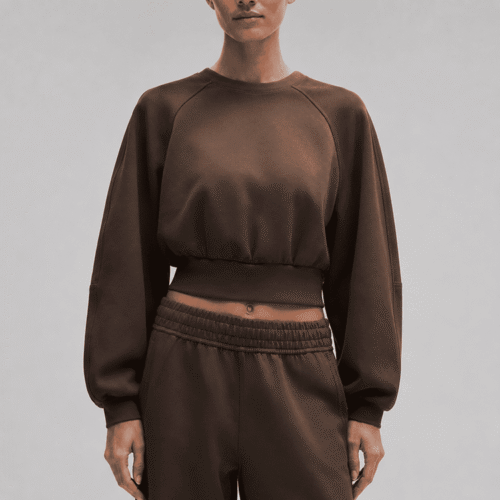
Custom Women’s Cropped Crewneck Sweatshirt Athleisure Pullover OEM ODM
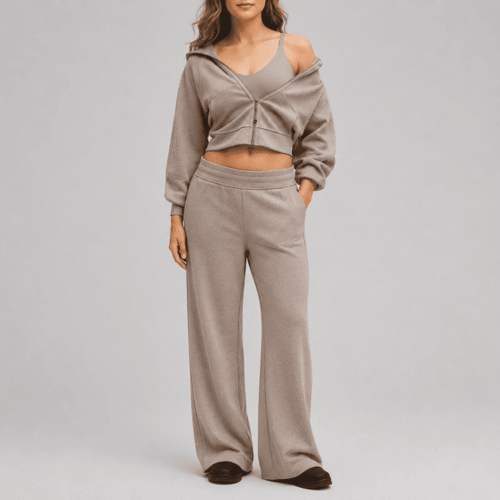
Custom Women’s Cropped Hoodie Loungewear Set OEM ODM Wide Leg Lounge Pants
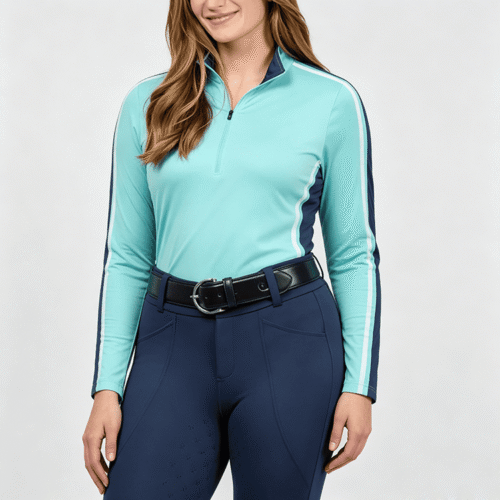
Custom Women’s Equestrian Base Layer Quarter Zip Riding Shirt OEM ODM
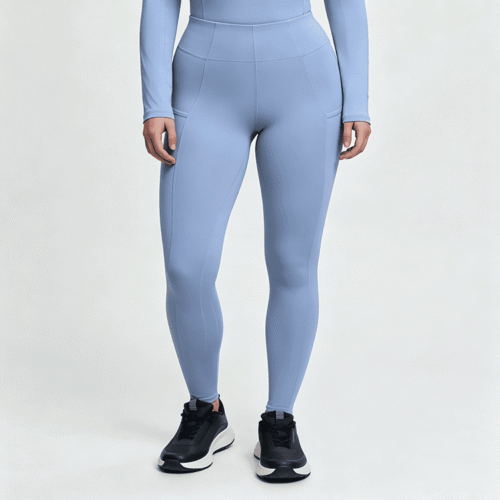
Custom Women’s Equestrian Riding Tights High Waist Performance Leggings OEM ODM
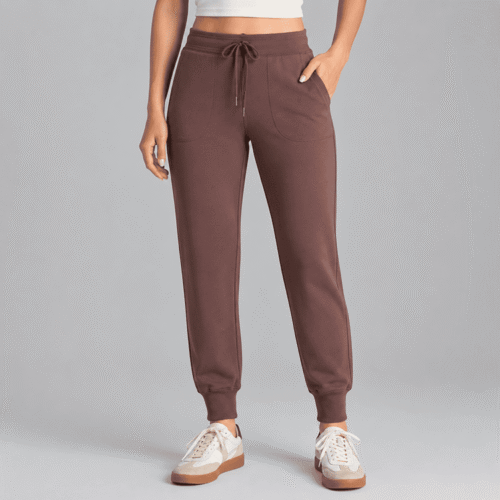
Custom Women’s Fleece Jogger Pants Athleisure Sweatpants OEM ODM
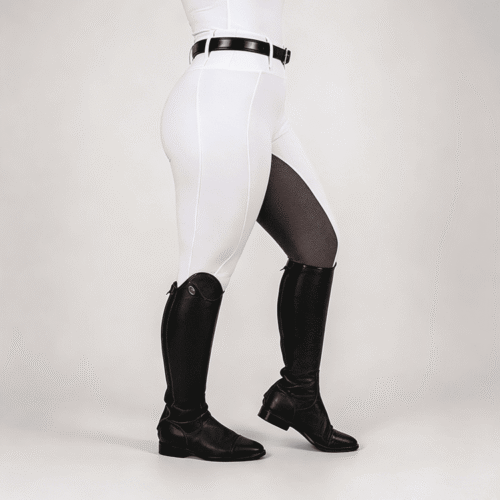
Custom Women’s Full Seat Equestrian Breeches Silicone Grip Riding Pants OEM ODM
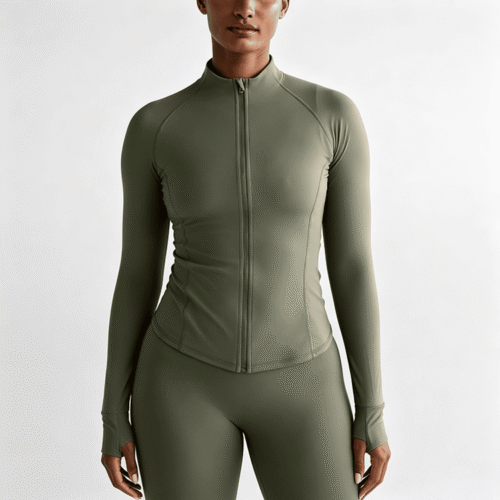
Custom Women’s Full Zip Yoga Jacket Performance Activewear OEM ODM
Custom Women’s Half Zip Fleece Hoodie Athleisure Pullover OEM ODM
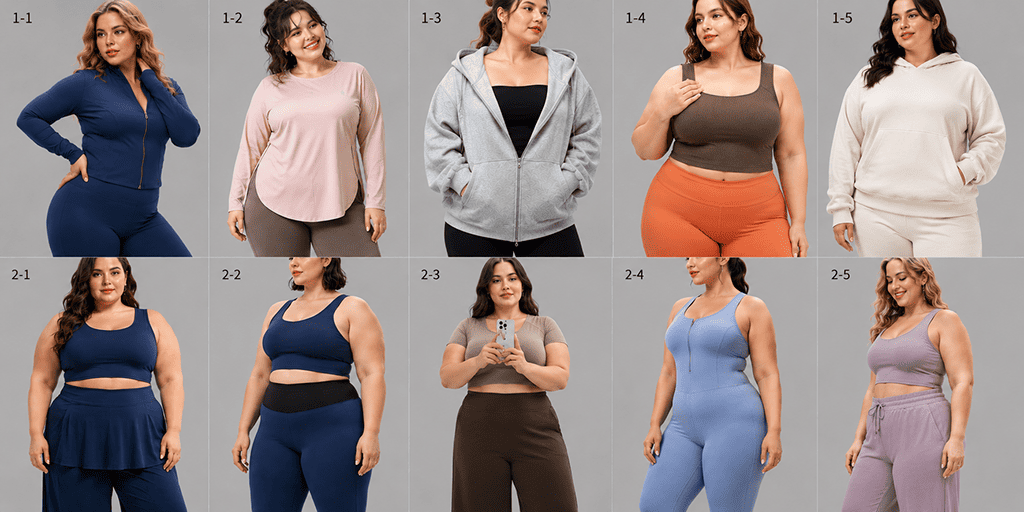
Why Fit Consistency Matters More Than Price in Plus Size Leggings Manufacturing
Many sourcing discussions focus heavily on pricing. Buyers compare quotations, negotiate production costs, and attempt to maximize margins. While cost management is important, some of the most successful activewear brands have learned a different lesson: fit consistency often has a much greater impact on long-term profitability than small differences in manufacturing cost.
Consumers rarely remember the factory that produced a garment. What they remember is how the product made them feel. If a pair of leggings delivers comfort, support, confidence, and reliable sizing, customers are far more likely to purchase again. If sizing feels inconsistent or fit varies between colors, collections, or production runs, customer trust can disappear quickly.
For plus size activewear brands, fit consistency is not simply a quality issue. It is a business growth strategy.
How Poor Fit Increases Return Rates
Across ecommerce apparel categories, fit-related issues remain one of the most common reasons for product returns.
Common customer complaints include:
- Waistband rolling down
- Excessive compression
- Insufficient support
- Tight thigh openings
- Loose knee areas
- Inconsistent sizing between colors
- Different fit between repeat orders
Every return creates additional costs:
- Reverse logistics
- Customer support
- Product inspection
- Inventory handling
- Potential refunds
Reducing fit-related returns can often improve profitability more effectively than reducing manufacturing costs by a small percentage.
Why Customer Retention Depends on Consistent Sizing
A first purchase generates revenue.
A repeat purchase generates growth.
Consumers who trust a brand’s sizing system are more likely to:
- Purchase additional colors
- Try new product categories
- Recommend products to friends
- Leave positive reviews
This trust becomes increasingly important as brands expand product collections.
Many leading activewear companies view fit consistency as a competitive advantage rather than a technical requirement.
The Hidden Cost of Inconsistent Manufacturing
Even when products appear visually identical, small variations can influence fit performance.
Potential causes include:
- Fabric substitutions
- Pattern modifications
- Construction inconsistencies
- Elastic changes
- Grading adjustments
Brands evaluating suppliers should pay attention not only to sample quality but also to a factory’s ability to reproduce consistent results across multiple production cycles.
Why Plus Size Consumers Notice Fit Differences Faster
Consumers purchasing extended-size apparel often have fewer alternatives available than standard-size shoppers.
As a result, they tend to pay closer attention to:
- Comfort
- Support
- Mobility
- Compression
- Durability
A positive experience can create exceptional brand loyalty.
A negative experience can quickly drive customers toward competitors.
For this reason, brands serving the plus size market frequently place greater emphasis on fit development and quality assurance than on achieving the lowest possible manufacturing cost.
Questions Brands Should Ask Suppliers About Fit Consistency
Before selecting a manufacturing partner, buyers should consider asking:
- How do you manage extended-size grading?
- What quality checks are performed during production?
- How do you monitor measurement consistency?
- What processes help maintain fit accuracy between orders?
- How do you evaluate fabric recovery performance?
The answers often provide valuable insight into a supplier’s technical capabilities and long-term reliability.
Future Trends Shaping the Global Plus Size Leggings Market
The plus size activewear category continues to evolve rapidly. Consumer expectations are rising, product offerings are becoming more sophisticated, and technological innovations are changing how brands approach development.
Understanding future trends can help buyers identify suppliers capable of supporting long-term growth rather than simply meeting current requirements.
Inclusive Activewear Is Becoming a Permanent Category
Inclusive sizing is no longer viewed as a niche opportunity. As more brands expand their collections, demand for inclusive activewear manufacturing solutions continues to increase across North America, Europe, and Australia. Multiple reports from recent plus size apparel market analysis studies suggest that brands investing in size inclusivity are likely to benefit from long-term consumer demand growth.
Many brands now treat extended sizing as a core business segment.
Consumers increasingly expect:
- Broad size availability
- Equal product quality
- Comparable styling options
- Performance-driven functionality
Manufacturers that can support these expectations are likely to become increasingly valuable partners.
Sustainability Is Influencing Purchasing Decisions
Environmental considerations continue to affect consumer behavior.
Growing demand exists for:
- Recycled nylon fabrics
- Recycled polyester materials
- GRS-certified textiles
- Reduced-waste production methods
Brands targeting premium consumers often integrate sustainability into both product development and marketing strategies.
Manufacturers capable of supporting sustainable sourcing initiatives may gain a competitive advantage in future markets.
Larger Size Ranges Are Becoming More Common
Several years ago, many activewear collections stopped at XL or XXL.
Today, many brands extend sizing to:
- 3XL
- 4XL
- 5XL
- 6XL
Some collections continue expanding beyond these ranges.
This trend increases the importance of advanced grading expertise and fit development capabilities.
AI-Assisted Product Development
Artificial intelligence is beginning to influence multiple areas of apparel development.
Potential applications include:
- Pattern optimization
- Fit prediction
- Trend analysis
- Product planning
- Inventory forecasting
Although AI does not replace human expertise, it may help brands reduce development time and improve decision-making.
3D Body Data Is Improving Fit Accuracy
Advancements in body scanning and measurement technology are creating new opportunities for product development.
Brands can increasingly access:
- Consumer measurement data
- Fit preference insights
- Body shape analysis
This information may help improve:
- Pattern development
- Size grading
- Product consistency
Manufacturers that adapt to these technologies may be better positioned to support future activewear brands.
What Buyers Should Expect Over the Next Five Years
Several trends are likely to continue shaping the industry:
- Greater demand for inclusive sizing
- Increased sustainability requirements
- More sophisticated fit expectations
- Faster product development cycles
- Growing use of digital development tools
Brands that align with these trends early may be able to create stronger market positioning and improve long-term competitiveness.
Key Takeaways for Brands Comparing Chinese Plus Size Leggings Manufacturers
Selecting a manufacturing partner is one of the most important decisions an activewear brand will make.
The ideal supplier depends on:
- Business stage
- Product positioning
- Growth objectives
- Customer expectations
Rather than searching for a universally “best” manufacturer, buyers should focus on identifying suppliers whose strengths align with their specific requirements.
Best Considerations for Startup Brands
Startups often benefit from suppliers offering:
- Flexible development support
- Responsive communication
- Lower operational complexity
- Strong activewear expertise
The ability to learn and adapt quickly often matters more than maximizing production scale.
Best Considerations for Growing Brands
Growing brands typically prioritize:
- Consistent quality
- Stable production performance
- Supply chain scalability
- Category expansion opportunities
At this stage, supplier reliability becomes increasingly important.
Best Considerations for Large Retail Programs
Larger programs often focus on:
- Manufacturing capacity
- Compliance systems
- Quality consistency
- Long-term operational stability
These factors help support larger order volumes and more complex supply chains.
Best Considerations for Inclusive Activewear Brands
Brands focused on plus size collections should prioritize suppliers with expertise in:
- Extended-size development
- Fit consistency
- Fabric performance
- Inclusive activewear categories
Technical specialization often has a greater impact on product success than production scale alone.
Frequently Asked Questions
Which factors are most important when comparing plus size leggings manufacturers?
The most important factors often include plus size expertise, fit consistency, communication quality, quality control systems, supply chain stability, and category specialization. Price should be considered alongside these factors rather than in isolation.
Why is plus size activewear manufacturing more complex than standard activewear manufacturing?
Extended-size products require specialized grading systems, fit evaluation methods, fabric performance analysis, and construction techniques to maintain consistent comfort and functionality across a broader size range.
Should brands prioritize specialization or production scale?
The answer depends on business goals. Brands focused on inclusive activewear often benefit from suppliers with category specialization, while larger retail programs may prioritize production capacity and operational stability.
What makes a manufacturer suitable for long-term growth?
Manufacturers that combine technical expertise, reliable communication, quality consistency, supply chain stability, and scalability are often better positioned to support growing brands.
Why do some plus size collections experience higher return rates?
Common causes include poor grading, inconsistent sizing, inadequate fit testing, and fabric performance issues. These challenges often originate during product development rather than during production itself.
How can buyers identify true plus size specialists?
Buyers should evaluate a supplier’s experience with extended-size collections, fit development processes, grading methodologies, and understanding of plus size consumer needs.
Is sustainability becoming more important in the plus size activewear market?
Yes. Consumers increasingly expect products that combine performance, comfort, and environmental responsibility. Sustainable materials and responsible sourcing practices continue to gain importance.
What future trends should activewear brands monitor?
Key trends include inclusive sizing expansion, sustainable material adoption, AI-assisted product development, 3D body data integration, and growing consumer expectations around fit and performance.
Conclusion
China continues to play a central role in the global plus size leggings supply chain because of its manufacturing depth, activewear expertise, fabric innovation, and supplier diversity. However, selecting the right manufacturing partner requires more than comparing prices or reviewing product catalogs.
Brands that carefully evaluate supplier specialization, fit development capabilities, communication quality, and long-term scalability are often better positioned to build successful activewear collections.
Consumer expectations are always changing, so manufacturers with solid specialized experience in inclusive activewear creation will become more and more important strategic partners for brands looking to secure sustainable growth in the future.